Semtech (SMTC) secures chip capacity at Tower Semiconductor (TSEM) for AI data centers
Semtech (SMTC) will invest in securing dedicated silicon germanium capacity at Tower Semiconductor (TSEM) fabs in three countries. The companies gave no dollar figure.

Lumentum (LITE) is sold out of AI optical parts into 2029, and customers are already lining up 2030 orders
Customers are already lining up orders for 2030. Hyperscalers are helping pay for new capacity.
Sivers' (SIVEF) partner Win adds laser capacity as Lumentum reports demand exceeding supply
Win Semiconductors, Sivers' foundry partner for lasers, is expanding CW laser capacity and expects meaningful revenue in 2027 and 2028. Lumentum told Stifel that demand for its most powerful AI lasers still exceeds supply.
Marvell (MRVL) shows 2nm optical chips for 3.2T AI networks
Marvell (MRVL) says four of its 38 demos at ECOC 2026 in Malaga are industry firsts, all built on 2nm chips: 400G-per-lane optical PAM4, 800G ZR with MACsec, and 1.6T ZR. A 102.4 terabit co-packaged optics platform targets the point where copper runs out of reach in AI networks.
Nvidia (NVDA) owns $90.7 billion of other companies. Its public stock portfolio has lost $16.4 billion since June 30.
Nvidia's latest 10-Q carries $42.8 billion of marketable equity securities and $47.9 billion of funded private stakes, with $25 billion more committed but not yet paid in. Its June 30 13F positions have given back about $16.4 billion since, and a $105 billion guarantee on an OpenAI data center sits off the balance sheet entirely.
Applied Optoelectronics (AAOI) is doubling down on making its own lasers. A new Texas equipment deal is the proof.
AOI just gave Dutch supplier Trymax a multi-year equipment order to expand its in-house InP laser chip production in Texas. Here is why owning the laser supply matters, and the dilution paying for it.
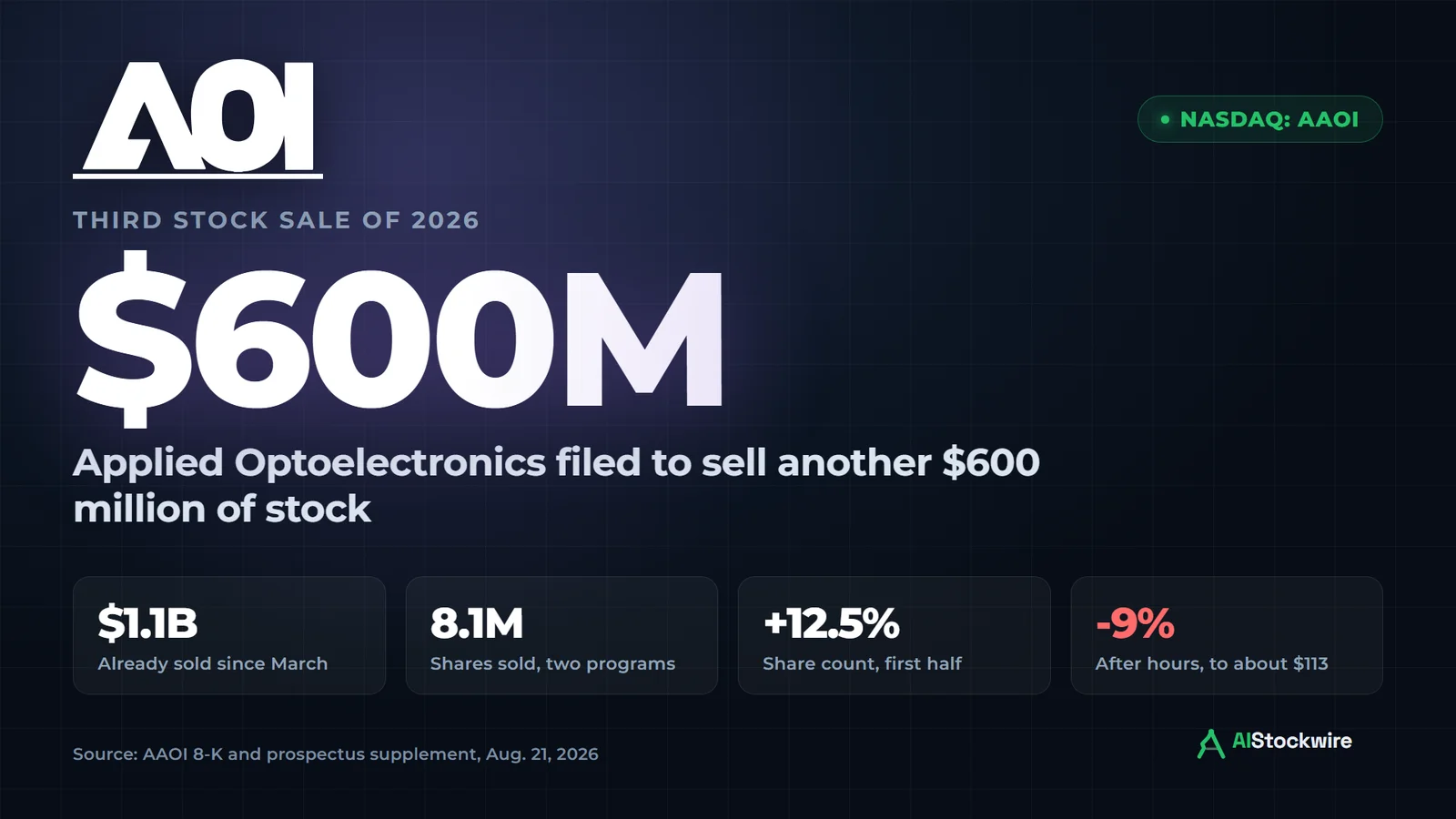
Applied Optoelectronics (AAOI) filed to sell another $600 million of stock. It has already sold $1.1 billion of shares since March.
Applied Optoelectronics filed an equity distribution agreement after Friday's close to sell up to $600 million of common stock through Raymond James and Needham. It is the company's third such program of 2026. The first two sold about 8.1 million shares for $1.1 billion between March and August. The stock traded near $112 in the post-market, down about 10% from the close.
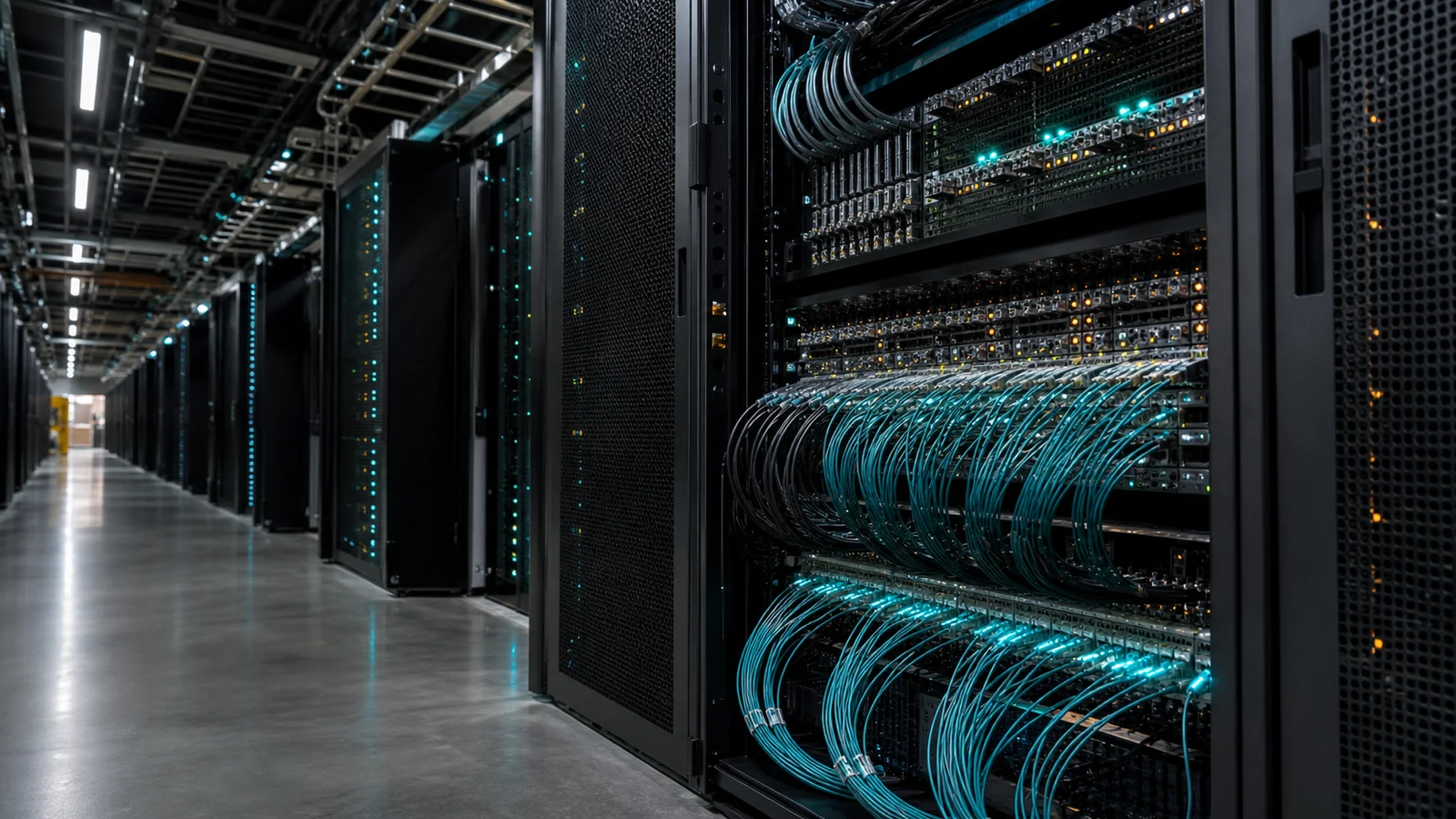
An AI model trains across 100,000 chips that all have to talk at once. The stocks that wire them: Arista (ANET), Broadcom (AVGO), Coherent (COHR) and Astera Labs (ALAB)
Tens of thousands of GPUs have to act like one machine, and the network that connects them is a fast-growing slice of every AI buildout. Here's what Arista, Broadcom, Marvell, the optics makers and Astera Labs each do.

Hedge Fund Citadel already held every stock in Leopold Aschenbrenner's book before buying it
Citadel's own quarterly filing, out Friday, already listed every stock in Leopold Aschenbrenner's book, about a month before it bought the book. The catch is what those holdings actually mean.
Coherent (COHR), Lumentum (LITE) and Applied Optoelectronics (AAOI) all beat on earnings. Coherent's stock dropped after hours after reporting.
Coherent beat on revenue and profit and guided higher, its seventh straight beat, capping a clean sweep of AI-optics earnings with Lumentum and Applied Optoelectronics. All three beat. But after a 44% run, Coherent's stock slipped after hours, the same sell-the-news reaction the group keeps showing.

Lumentum beat estimates and raised its outlook after a pre-earnings selloff. Coherent reports next (COHR, LITE).
Lumentum beat on revenue and earnings for its fiscal fourth quarter and guided the next quarter well above Wall Street, capping a run that had sold off into the print. Coherent reports Wednesday into the same AI optics demand.
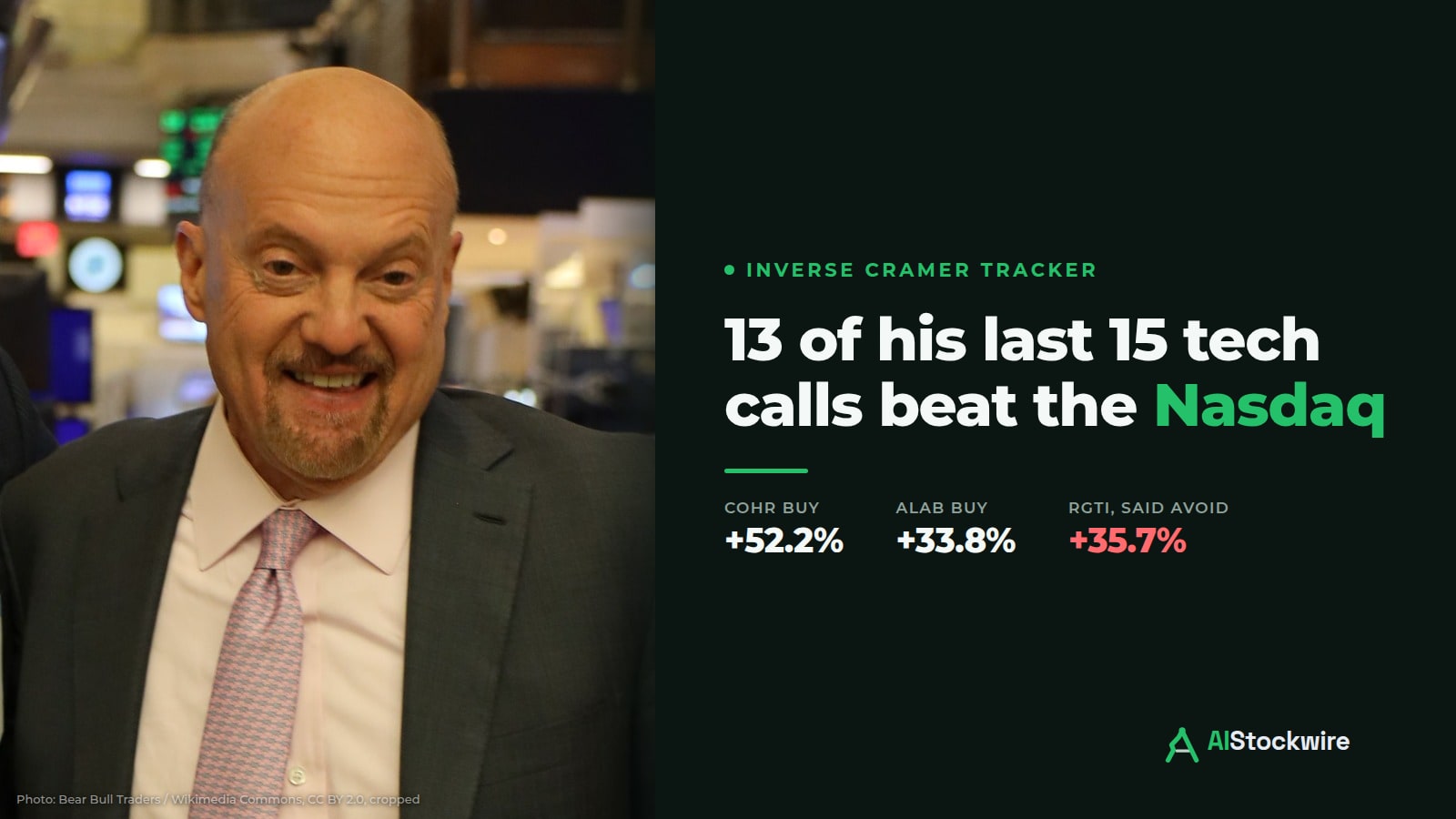
13 of Jim Cramer's last 15 tech calls beat the Nasdaq. The stocks he told people to avoid did even better.
I built a page to track how wrong Jim Cramer is. Right now 13 of his last 15 tech calls are beating the Nasdaq, and the stocks he waved people off are doing better than the ones he liked.
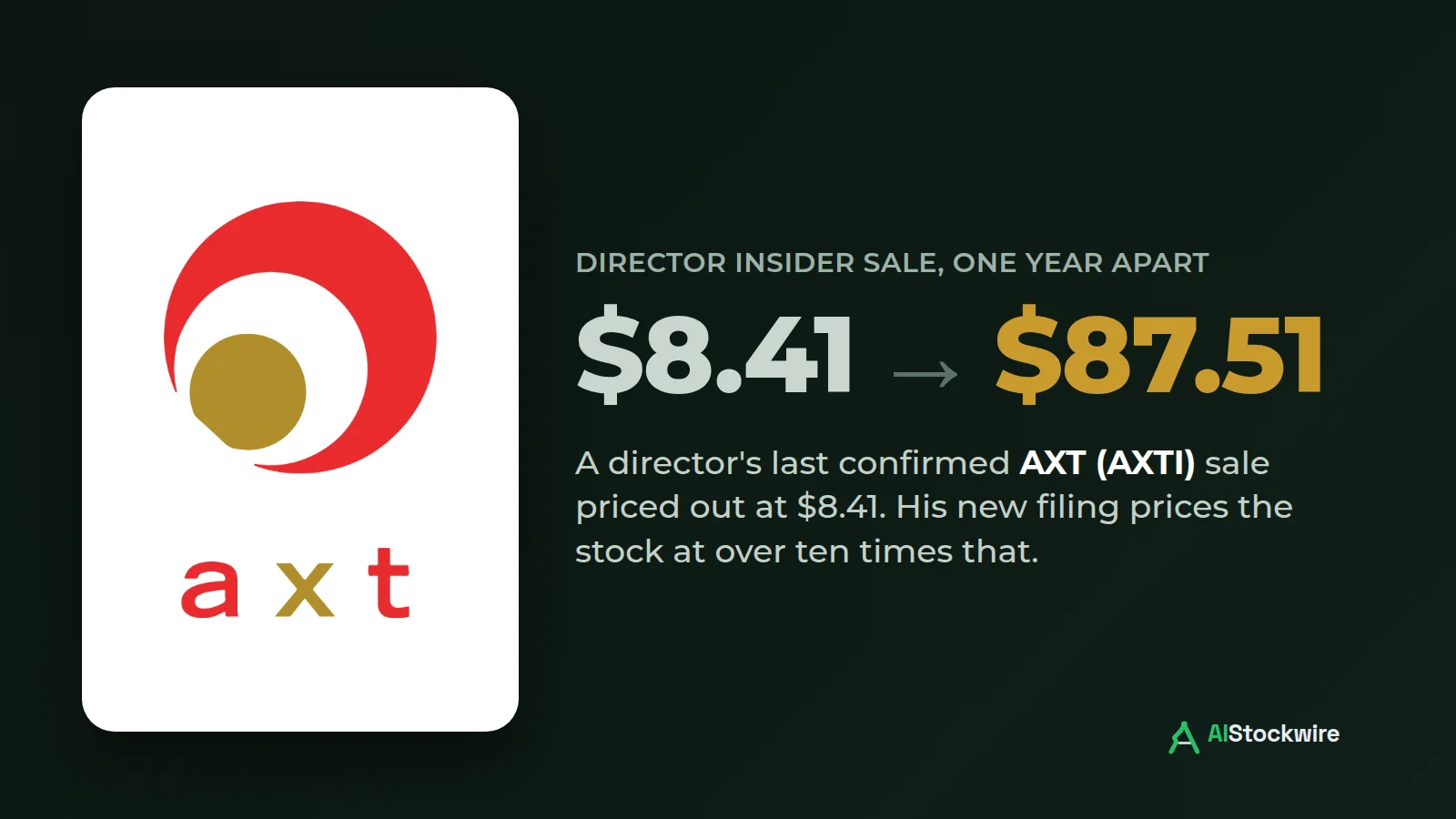
AXT (AXTI) director's last stock sale was at $8.41. His new one is priced at $87.51.
AXT director Leonard LeBlanc filed a Form 144 to sell stock at $87.51 a share. His only other sale this year priced out at $8.41.
Lumentum (LITE) and Coherent (COHR) have each beaten Wall Street six quarters straight. Intuitive Machines (LUNR) has missed six straight, and 28 more AI stocks report the same week.
Lumentum and Coherent haven't missed a quarter in over a year. Intuitive Machines hasn't beaten one. More than 30 AI-linked stocks report earnings the week of August 10, and their trailing records couldn't be more different.

The $5.5 billion optics startup in this week's headlines already has a public partner: POET Technologies (POET)
Lumilens emerged from stealth at a $5.5 billion valuation. POET Technologies (POET) is the public company that signed in May to build its optical engines, a $50 million order that can scale to $500 million.

Applied Optoelectronics (AAOI) did a double beat and guided up 42%. Why did the stock tank to $115 before clawing back?
AAOI did a double beat and guided Q3 up 42%. After the report the stock spiked to $142, tanked to $115, then clawed back to around $125. I own it, I'm holding, and here's why I think next week is the real move.
How to buy Sivers Semiconductors stock (SIVEF) from the US, and the broker that won't sell it to you
SIVEF is Sivers Semiconductors' ticker for US brokerage accounts, but Robinhood doesn't carry it. Here is which brokers do, how the OTC price compares to the Stockholm shares, and the silver ETF ticker easy to mix it up with.
Sivers Semiconductors (SIVEF) jumped on a US plan to block Chinese transceivers. Sivers supplies the lasers inside them.
SIVE closed up 18.86% in Stockholm and the US line finished at $3.90, up 17.1%. Sivers announced nothing Tuesday. The connection runs through Jabil, which said in April it plans to build a 1.6T transceiver module using Sivers' DFB lasers, with no customer or revenue date disclosed.
The FCC may ban Chinese optical transceivers. Photonics stocks exploded, and Applied Optoelectronics (AAOI) has run nearly 70% in four sessions.
Reuters says the FCC is drafting a rule that would ban imports of all new optical transceiver models, then exempt many non-Chinese suppliers. The photonics group repriced on it Tuesday morning, and AAOI, down 66% since May, ran the hardest.

All seven Magnificent Seven stocks fell today. Here's where that money actually went (July 23, 2026)
All seven Magnificent Seven stocks were red by late morning Thursday, led by Tesla's 14% drop on an earnings miss and Alphabet's close-to-7% slide despite beating estimates, on another capex raise. Amazon and Meta sold off too ahead of next week's reports. The money didn't just leave, it rotated: into defense on Lockheed's earnings beat, and out of quantum, SaaS and space.

Tesla (TSLA) and Alphabet (GOOGL) are falling hard. The rest of the AI trade isn't (July 23, 2026)
Tesla and Alphabet kept falling through Thursday morning even as chipmakers, neoclouds and photonics stocks held up fine. Oil topped $100 a barrel after Trump threatened to bomb Iranian infrastructure over any new attack on shipping.
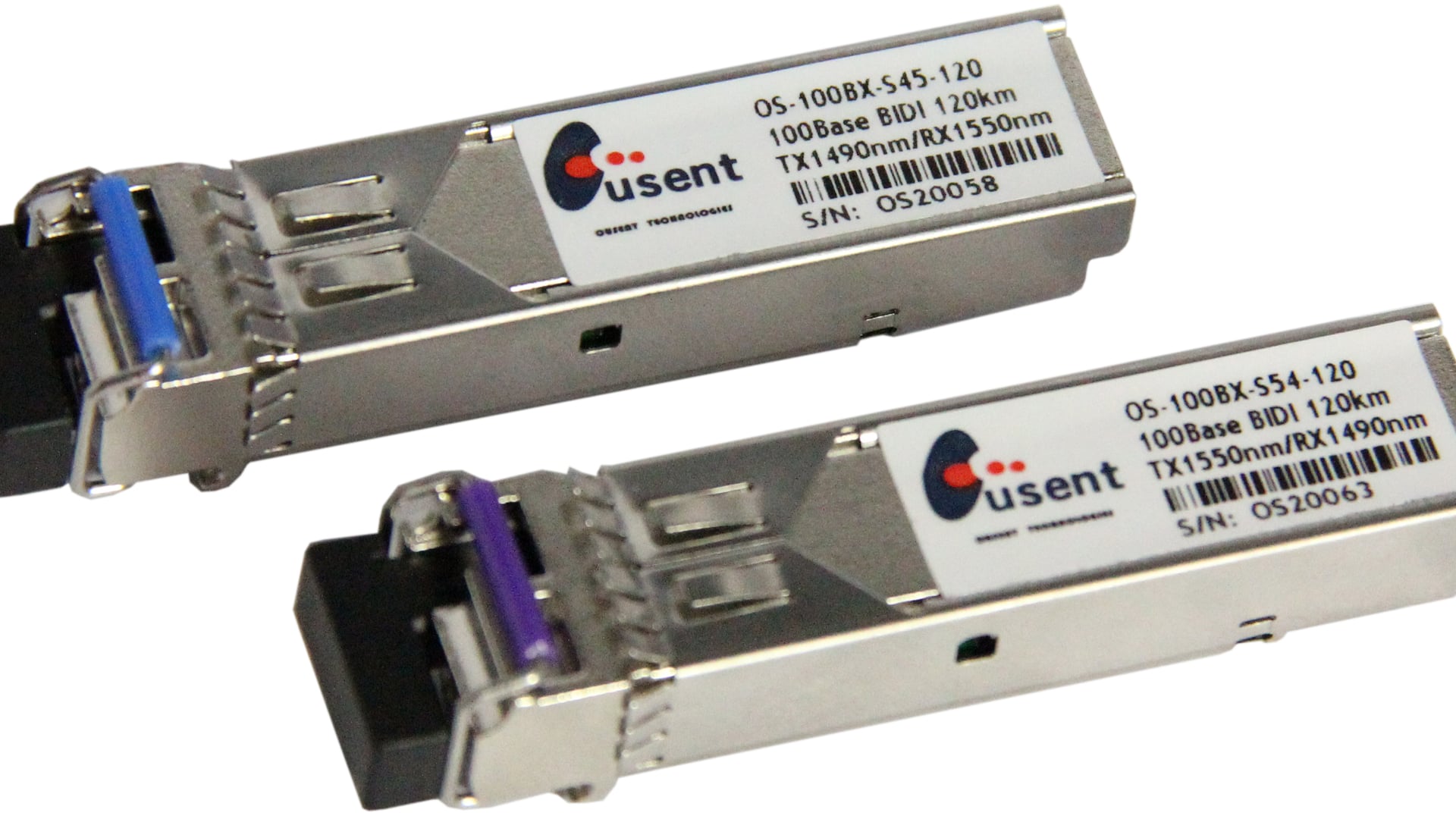
A short seller says a third of Sivers Semiconductors' (SIVEF) revenue is dubious. Its CEO and board bought shares anyway.
A short seller says 31% of Sivers Semiconductors' 2025 revenue is dubious and Sweden is probing an information leak. Its CEO and full board bought shares anyway, right as its laser chips landed a real GlobalFoundries partnership.
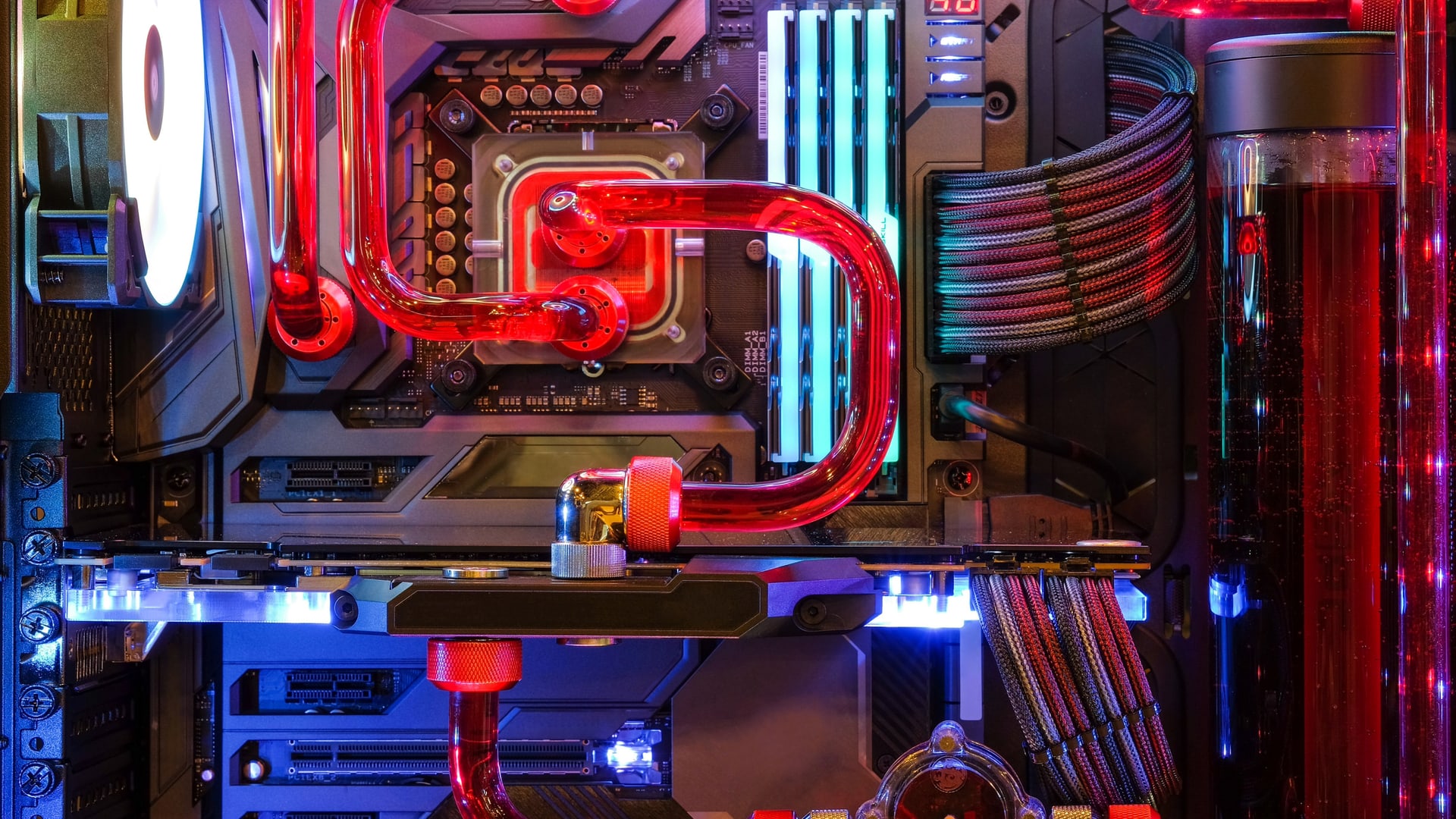
Inside the AI hardware stack, from Nvidia's chips to the grid that powers them
An AI data center is seven layers of hardware: GPUs, memory, storage, CPUs, networking, manufacturing, and power. Here's the full map, with the public companies behind each layer and where the bottlenecks actually are.
SemiAnalysis says Nvidia's Kyber AI rack is delayed to 2028: what it means for NVDA, AMD, and the photonics trade
SemiAnalysis says Nvidia's Kyber NVL144 rack is delayed more than a year to 2028, its backup design was scrapped, and Rubin Ultra was quietly cut in half. NVDA barely moved and AMD jumped instead. Here's what it means for the wider photonics trade, from Coherent and Lumentum to POET Technologies.