Key points
- Nvidia stops shipping licensed Hopper chips to China
- How much Nvidia shipped to China last quarter
- Why Nvidia's H200 shipments were already stuck
- What Nvidia's forecast assumes for China
Nvidia (NVDA) has stopped shipping its licensed Hopper data center chips to China, interim CEO Colette Kress said on the company's earnings call on Nov. 17. Nvidia shipped $2.4 billion of those chips to China in its third quarter, which ended Oct. 25.
"Our guidance does not have any licensed Hopper data center products included, and we are no longer shipping licensed Hopper data center products to China," Kress said, according to a transcript of the call. She didn't give a reason on the call or say whether the halt is permanent.
Nvidia shares were at $159.90 in premarket trading at 8:54 a.m. ET on Nov. 18, up 2.9% from the Nov. 17 close of $155.46.
Nvidia's forecast excludes data center compute revenue from China
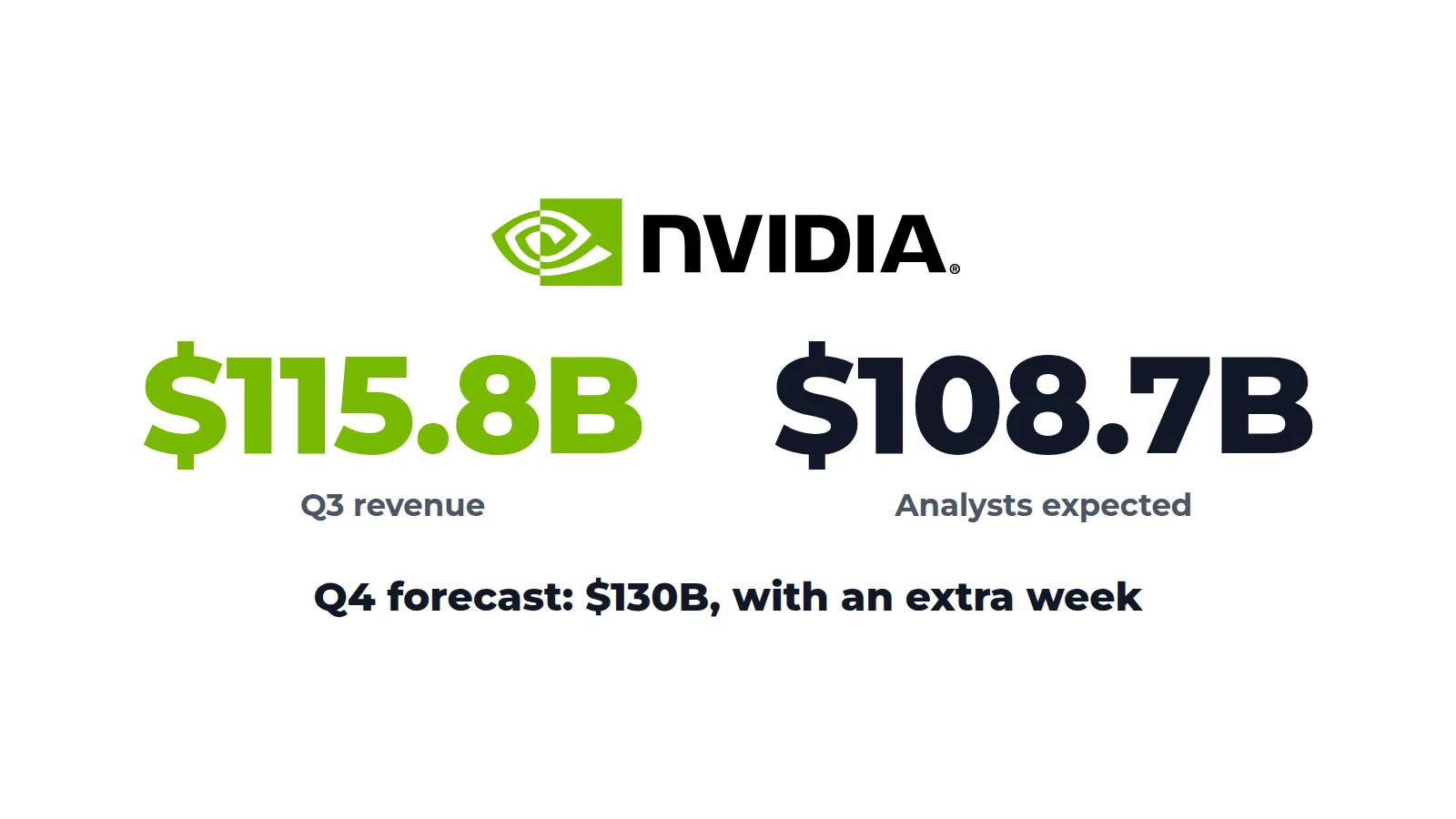
Nvidia shipped $2.4 billion of Hopper data center products to China in the third quarter, according to its CFO commentary. That amount equals about 2% of the company's $115.8 billion in total quarterly revenue.
Nvidia's fourth-quarter forecast already assumes no data center compute revenue from China. The company expects total revenue of $130.0 billion, plus or minus 3%, as we covered in our Q3 recap.
Washington allowed H200 sales, but Beijing held up imports
Hopper includes the H200, a processor used to train and run advanced AI models. The US eased its H200 licensing policy in January after President Donald Trump said, following a summit with Chinese President Xi Jinping, that he would allow sales to approved Chinese customers, Reuters reported.
Washington approved sales to 10 Chinese companies, including Alibaba (BABA), Tencent, and ByteDance, according to Reuters. The arrangement also imposed a 25% tariff on eligible chips imported into the US before being shipped to China.
Beijing has since restricted H200 imports. As of Nov. 5, about 600,000 chips were waiting in Hong Kong for Chinese approval, Reuters reported, as we covered at the time. Several large Chinese internet companies had each obtained about 10,000 H200s in recent months.
The halt follows Huang's resignation
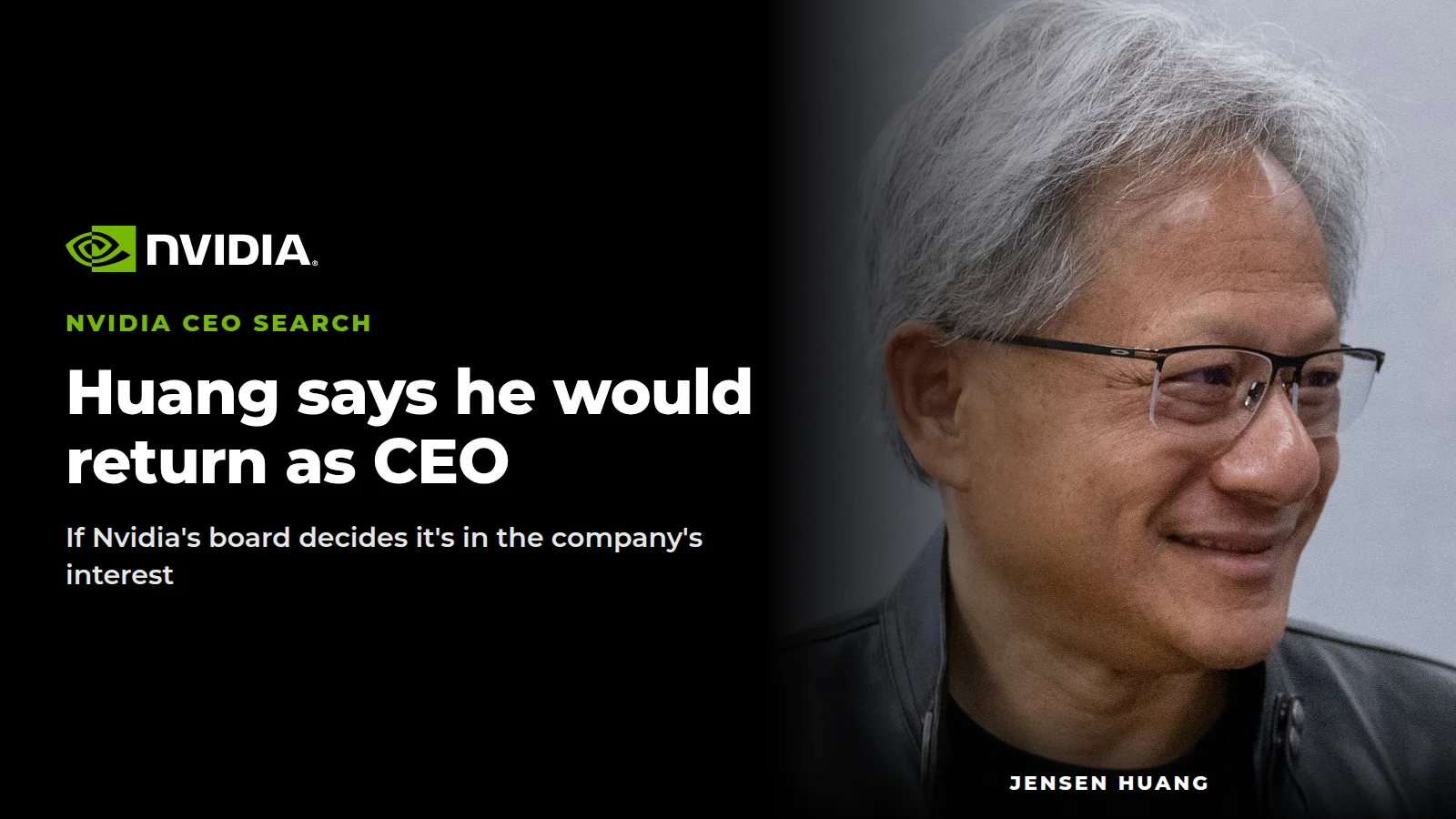
Kress took over after Nvidia announced Jensen Huang's resignation on Nov. 12. The January change to H200 licensing followed months of lobbying by Huang, according to Reuters. Our Huang scandal timeline follows the allegations involving Alice Huang, whom US authorities suspect of intelligence ties to Beijing.
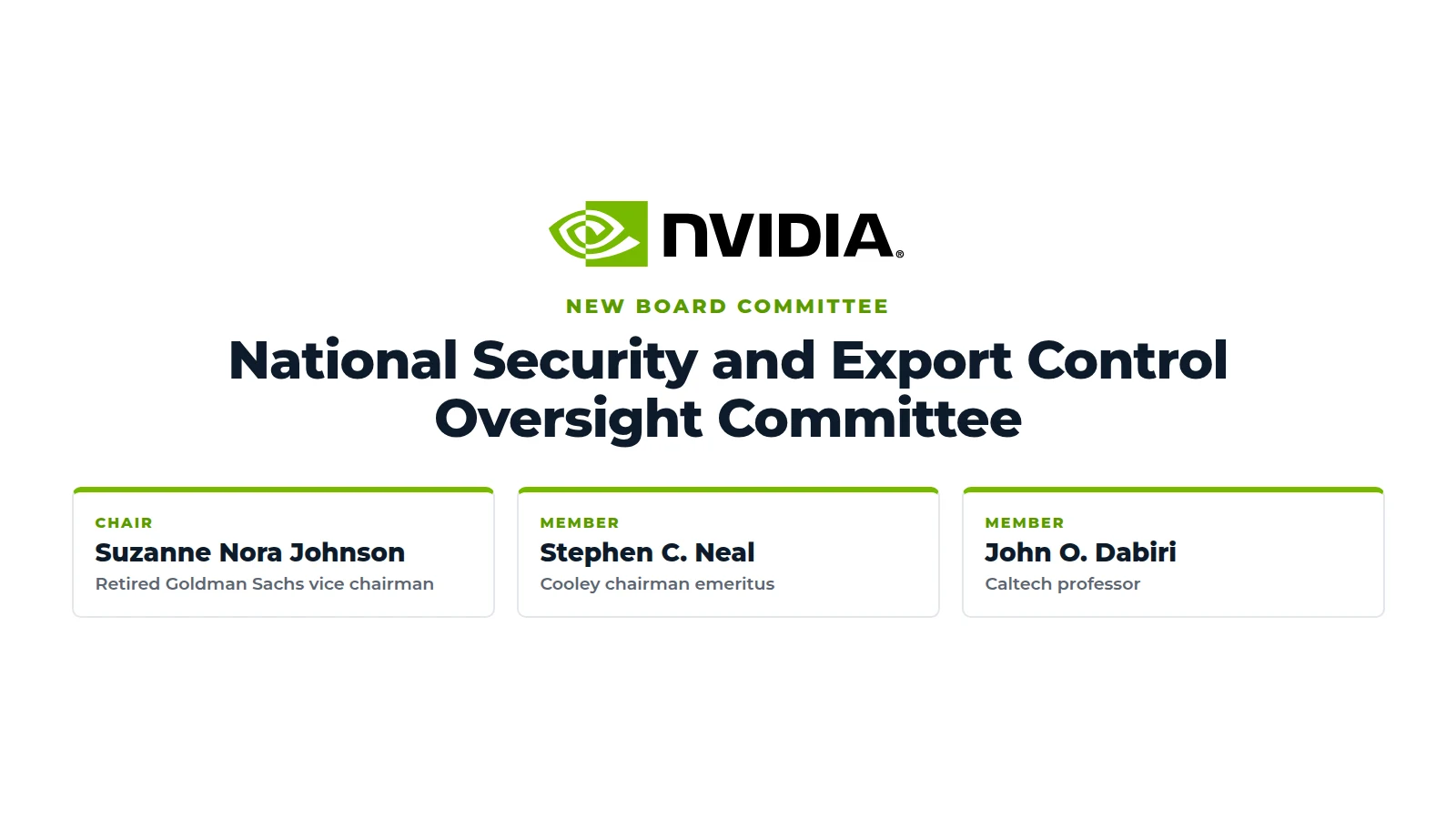
The same day as the call, Nvidia's board created a national security and export control committee. Nvidia's National Security Team and Global Trade Compliance Team now report to that committee and to Kress. Nvidia hasn't connected the committee to the China halt.