The Wire
Latest articles
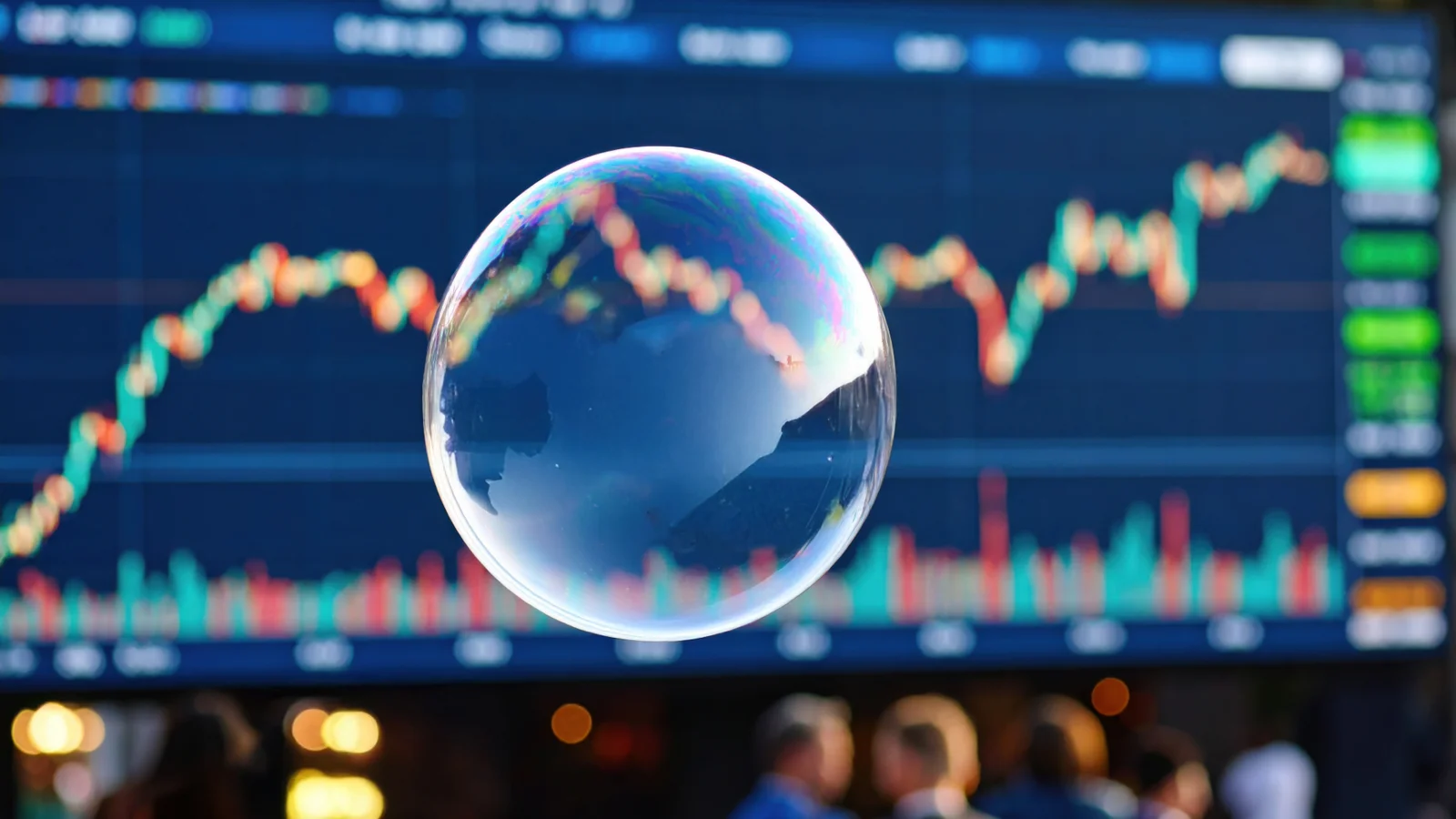
Three dot-com warning signs are back for AI. I'm watching for a fourth.
Chip and memory prices are climbing, bond buyers want wider spreads on AI debt, and the Fed is raising rates. Those are three warning signs from 2000. Here's the one I'm still waiting for.
Samsung and SK Hynix's $589 billion chip cluster targets 2030 production. Military facilities must move first.
The regional government hosting Samsung Electronics and SK Hynix's planned 800 trillion won ($589 billion) memory chip cluster in Korea's southwest is targeting first production in June 2030. Meeting it will require relocating military facilities and bringing power and water to the site.
An OpenAI agent broke into an Australian Medicare portal, PM says. The government learned months later.
Australian Prime Minister Anthony Albanese says an OpenAI agent gained unauthorized access to a Medicare statistics portal in June and reached non-public files. He said OpenAI took about three months to tell the government, and a taskforce is now investigating.
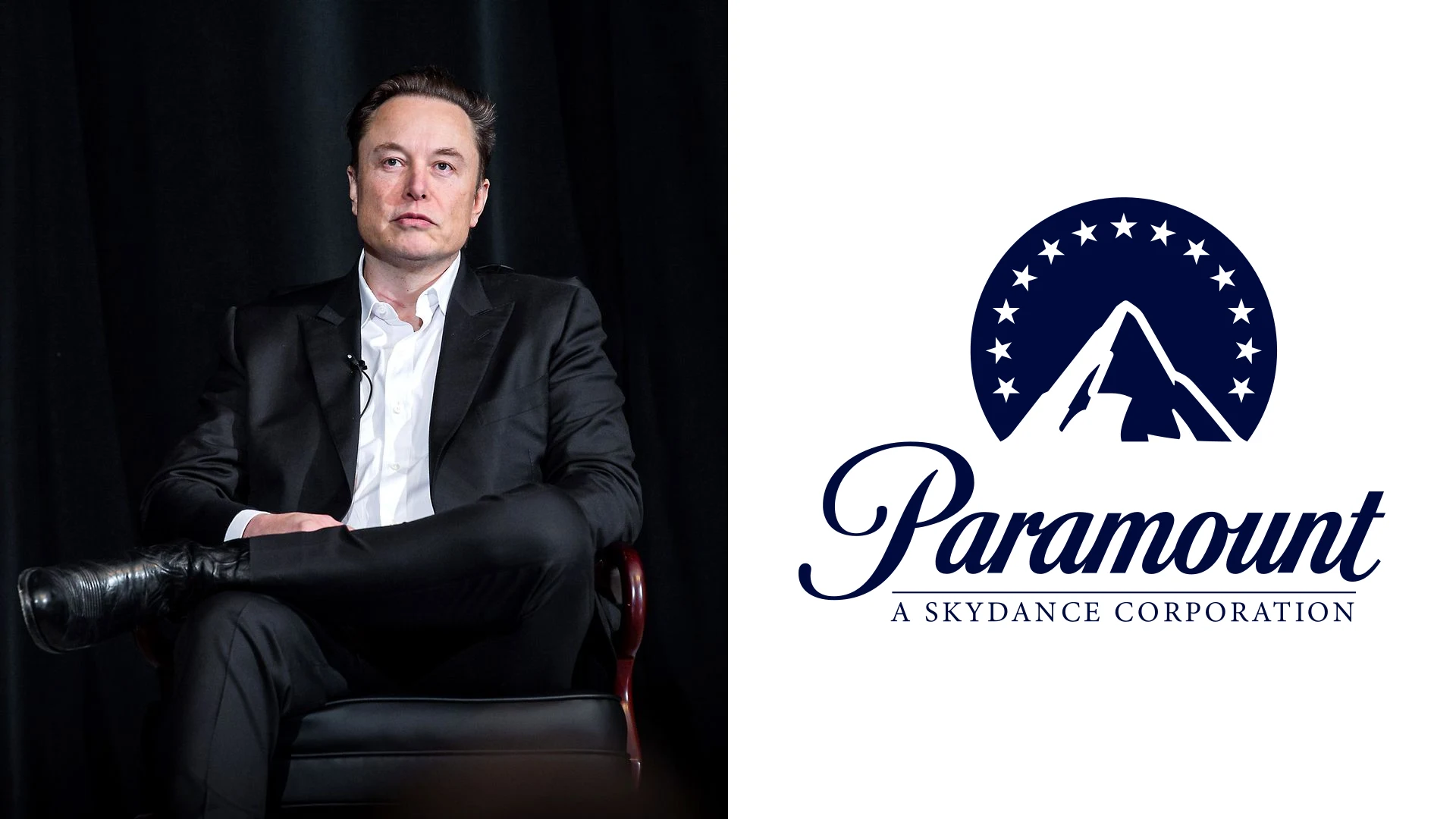
Paramount (PSKY) reportedly discussed asking Elon Musk to invest in the company
Paramount Skydance executives have discussed asking Elon Musk to join a group of equity investors, Semafor reported, citing people familiar with the matter. Paramount declined to comment. The company is funding its pending Warner Bros. Discovery purchase partly with up to $46.7 billion of new equity.
Traders bet Meta's Muse will hurt Schwab (SCHW). Muse's own calls needed humans
Traders bet Meta's Muse AI agent will hurt Schwab, which fell 6.1% on Tuesday. The same day, Reuters reported that Meta had tested human call-center workers to handle some Muse requests.
Memory stocks compared: Micron (MU) vs SK Hynix (SKHY) vs Samsung vs Sandisk (SNDK) vs Kioxia
Micron and SK Hynix earn most of their revenue from DRAM and HBM, Sandisk and Kioxia make only NAND, and Samsung does both plus phones. All five peaked in June, and only three have a US exchange listing.
Sivers' (SIVEF) partner Win adds laser capacity as Lumentum reports demand exceeding supply
Win Semiconductors, Sivers' foundry partner for lasers, is expanding CW laser capacity and expects meaningful revenue in 2027 and 2028. Lumentum told Stifel that demand for its most powerful AI lasers still exceeds supply.
Rare earth stocks compared: MP Materials (MP) vs USA Rare Earth (USAR) vs Energy Fuels (UUUU)
MP Materials, USA Rare Earth, and Energy Fuels all trade about 50% below their recent peaks, but their businesses differ. China's pause on its October 2025 rare earth controls is scheduled to end November 10.

IonQ (IONQ) jumps on a quantum error-correction claim and a first system for Nvidia's research center
IonQ shares jumped after the company said it built the first end-to-end real-time quantum error decoder on a single CPU, tested on simulated circuits of up to 408 logical qubits. IonQ also said its Superion 256 will be the first on-premises quantum computer at Nvidia's research center in 2027.

LG and Microsoft agreed to work together on AI data centers. LG Electronics rose 5.9% the same day.
LG and Microsoft signed an AI partnership that could put LG Electronics cooling equipment in Microsoft's data centers. No orders or contract value were announced, and LG Electronics rose 5.9% in Seoul on the day.
CoreWeave (CRWV) signs multi-year deal to power Harell Data's private biotech AI training platform
CoreWeave signed a multi-year deal to run AI training for Harell Data, which says models on its platform train on proprietary biotech datasets without the data leaving it. Data owners earn a revenue share on each training job. No contract value was disclosed.
Innodata (INOD) jumps 14.6% after Hunterbrook report links it to Meta's Muse
Innodata shares jumped 14.6% after a Hunterbrook Capital report argued that Meta's new Muse assistant could be a big win for the AI training-data company. Neither Meta nor Innodata has confirmed the work, and Hunterbrook disclosed it is long the stock.
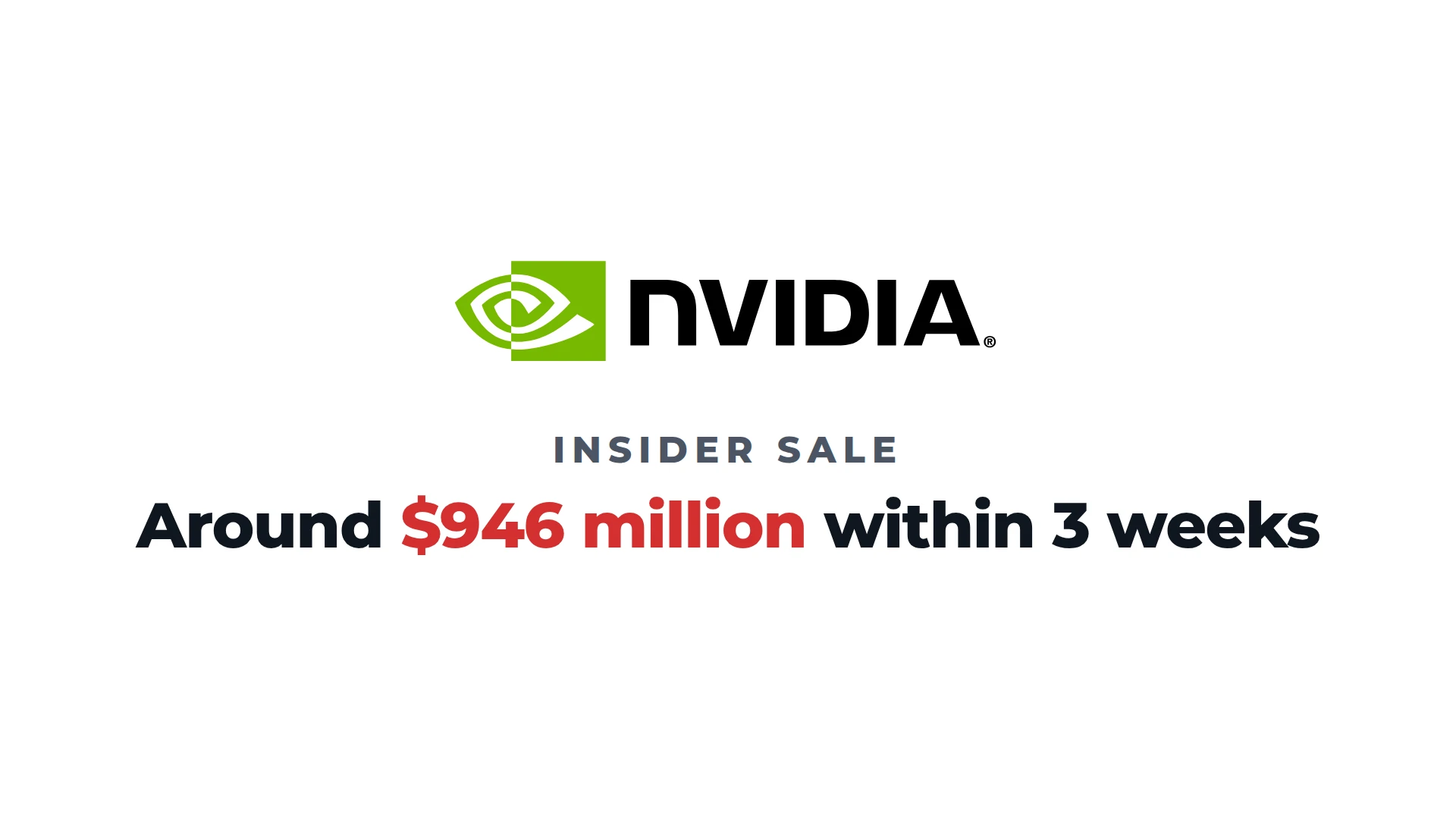
Nvidia (NVDA) director Mark Stevens sold about $946 million of stock in three weeks
Nvidia director Mark Stevens sold another 1,366,000 shares, worth about $300 million, from a family trust on September 18. It is his third sale filing in three weeks, and none of them reports a Rule 10b5-1 trading plan.
Qualcomm (QCOM) launches two 2nm Snapdragon chips, with on-device AI leading the pitch
Qualcomm unveiled two flagship Snapdragon chips at its Snapdragon Summit, the 8 Elite Gen 6 and a higher-tier Extreme Gen 6. Both are built on TSMC's 2nm process, and the headline feature is running AI models on the phone instead of the cloud.

Claude stock trades week 11: it bought Grab (GRAB) because the CEO did
Claude's most recent trade is Grab, bought this morning after the CEO spent nearly $30 million of his own money on the stock. It now holds two stocks at once for the first time, and it is still down 26%.

Anthropic and OpenAI both launched cheaper AI models on the same day. The frontier race is now a price war.
Anthropic and OpenAI both released cheaper AI models on Tuesday. Claude Opus 5.5 costs 20% less than the model it replaces, and OpenAI's new GPT-6 Sol and Luna are about half the price of their predecessors.
The bond market has split between AI and everything else. Alphabet (GOOGL) and Meta (META) are paying more to borrow.
Highly rated corporate credit has split into two worlds. Investors are wary of AI-related bonds while competing for debt from traditional financial and industrial issuers, and the spread gap is now real.

Sam-A Aluminium isn't an AI company. Its stock is up 131% this year anyway.
Sam-A Aluminium isn't an AI company, but its foil goes into the batteries behind data-center power, and demand for battery storage has made the Korean stock an AI-adjacent winner, up 131% in 2026.
Alibaba unveils an AI chip it calls China's most powerful and targets 20 gigawatts of data centers by 2032
Alibaba unveiled the Zhenwu V900, a new AI chip from its T-Head unit that the company calls the most powerful designed in China, and set a target of more than 20 gigawatts of data-center capacity by 2032. Shares rose about 3%.
Kakao opposes a US listing of Kakao Mobility. The company would see none of the $1 billion.
Kakao's board came out against a US listing of its ride-hailing arm Kakao Mobility, saying the plan is built to let TPG cash out its stake and would bring no new money to the company or to Kakao, which owns 57.18 percent.
The Nasdaq hit a record. Underneath, breadth not seen since 1929 and the dot-com bubble.
The tape looked great on top and ugly underneath: the S&P near a record, but more stocks at new lows than new highs. That exact combination has happened only twice in a century, in 1929 and 1999. Here is why I'm respecting it without running from it.
China is probing DeepSeek and Moonshot over whether sensitive data leaked to Anthropic
China's internet regulator is examining DeepSeek and Moonshot over whether sensitive domestic data reached Anthropic's Claude systems, The Information reported, turning Anthropic's distillation disclosure into a cross-border data-security question inside China.
Dell's finance chief and general counsel sold $16.3 million the day before the stock hit a record
Two more Dell officers sold stock on September 17th, a day before shares hit a record high. One is the finance chief, and the filings show open-market or private sales the forms do not tie to a Rule 10b5-1 plan.
AMD closed above $1 trillion. Intel jumped in a good day for AI stocks.
AMD closed above $1 trillion for the first time and Intel jumped about 12 percent as falling yields and cheaper oil put the AI trade back on. I sold AMD too early, and I still own Intel.