
Lam Research (LRCX) falls 12% after supply warning as chip stocks suffer worst day since June
Lam's record quarter wasn't enough. Its finance chief said some December shipments will slip to March, and China's share of sales is set to fall.
Samsung (005930) will reportedly use TSMC (TSM) to make part of Nvidia's (NVDA) next memory chips
Nvidia asked all three of its HBM suppliers to switch to the same TSMC process. Samsung also has a backup plan if TSMC runs short.
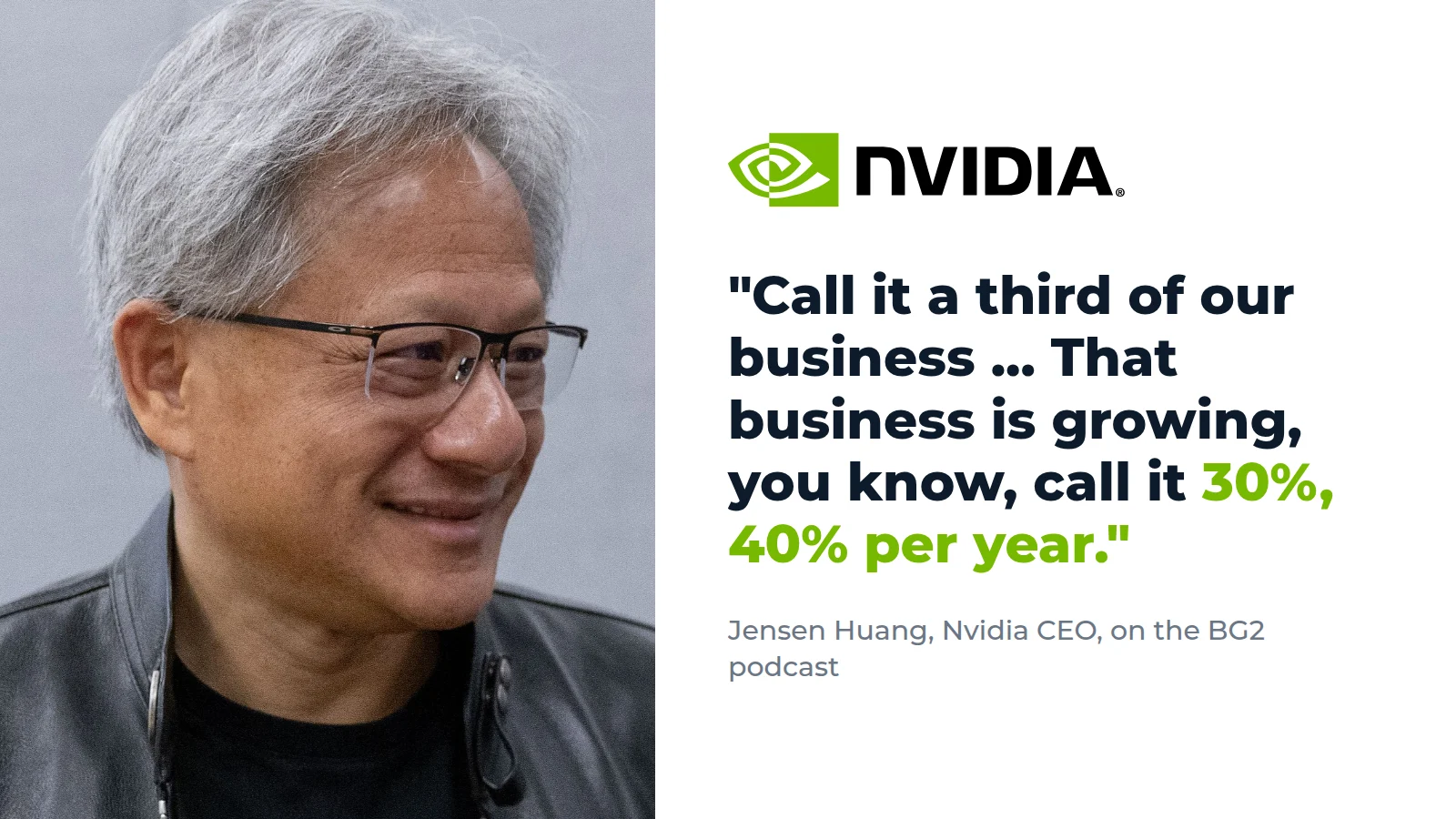
Nvidia (NVDA) CEO Jensen Huang says a third of its business grows 30% to 40% a year without AI labs
Huang put frontier labs at about a quarter of Nvidia's compute, while Nvidia's own filings show its customer mix shifting.
Chip stocks fell 8 straight days, longest since 2008. South Korea's finance minister sees growth through 2027
The Philadelphia chip index is nearly 24% below its June record. Seoul's top economic official points to a supply gap that hasn't closed.
Nasdaq posts worst week since June as memory stocks tumble. SpaceX, Tesla, and Meta report next week.
Micron lost 14.6% in a week that brought a Chinese memory launch, a hot inflation report, and two Elon Musk posts about RAM.
Bank of America says Nvidia (NVDA), Broadcom (AVGO), and Micron (MU) already trade like post-crash Cisco
Chip stocks are down about 10% this week. Bank of America's chip analyst says the valuation reset already happened, while Wells Fargo's strategist leans toward software.
Applied Materials (AMAT) CEO says AI will let the company double revenue without doubling headcount
Applied Materials CEO Gary Dickerson said the company expects to double revenue over the next few years without doubling headcount, as it unveiled its EPIC Center.
Micron (MU) falls after China's CXMT announces a year-end server memory launch using smaller DRAM cells
CXMT's president said the company expects to launch DDR5 server memory using a smaller 4F² cell design around year-end. Micron, SanDisk, and Korean chipmakers fell.
Broadcom (AVGO) or Micron (MU)? What needs to go right over the next three years
One sells custom chips to a handful of giant customers. The other sells memory at prices set by supply. Here is how the two AI chip stocks compare.

The White House's $6 billion science push includes $2.4 billion in AI credits from 11 companies. Nvidia (NVDA) pledged $1 billion.
The pledges are credits and tools, not government money, and the White House didn't show how its $6 billion total adds up. Three items make up most of it.
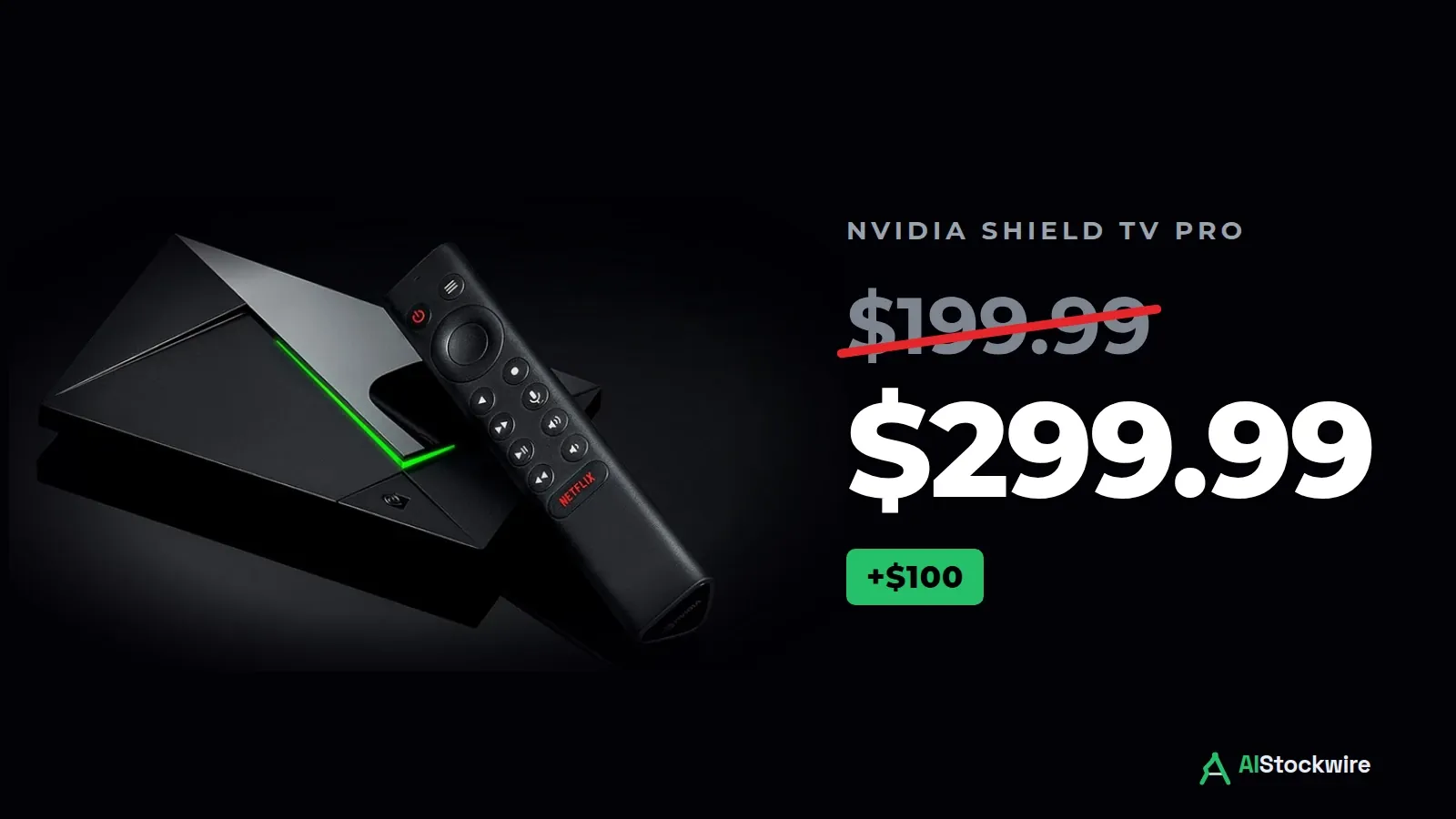
The memory shortage is making electronics more expensive. AI users aren't the only ones paying.
Nvidia's seven-year-old streaming box just got $100 more expensive. The memory makers behind the price hikes are earning record profits, and their stocks still trade at low multiples.
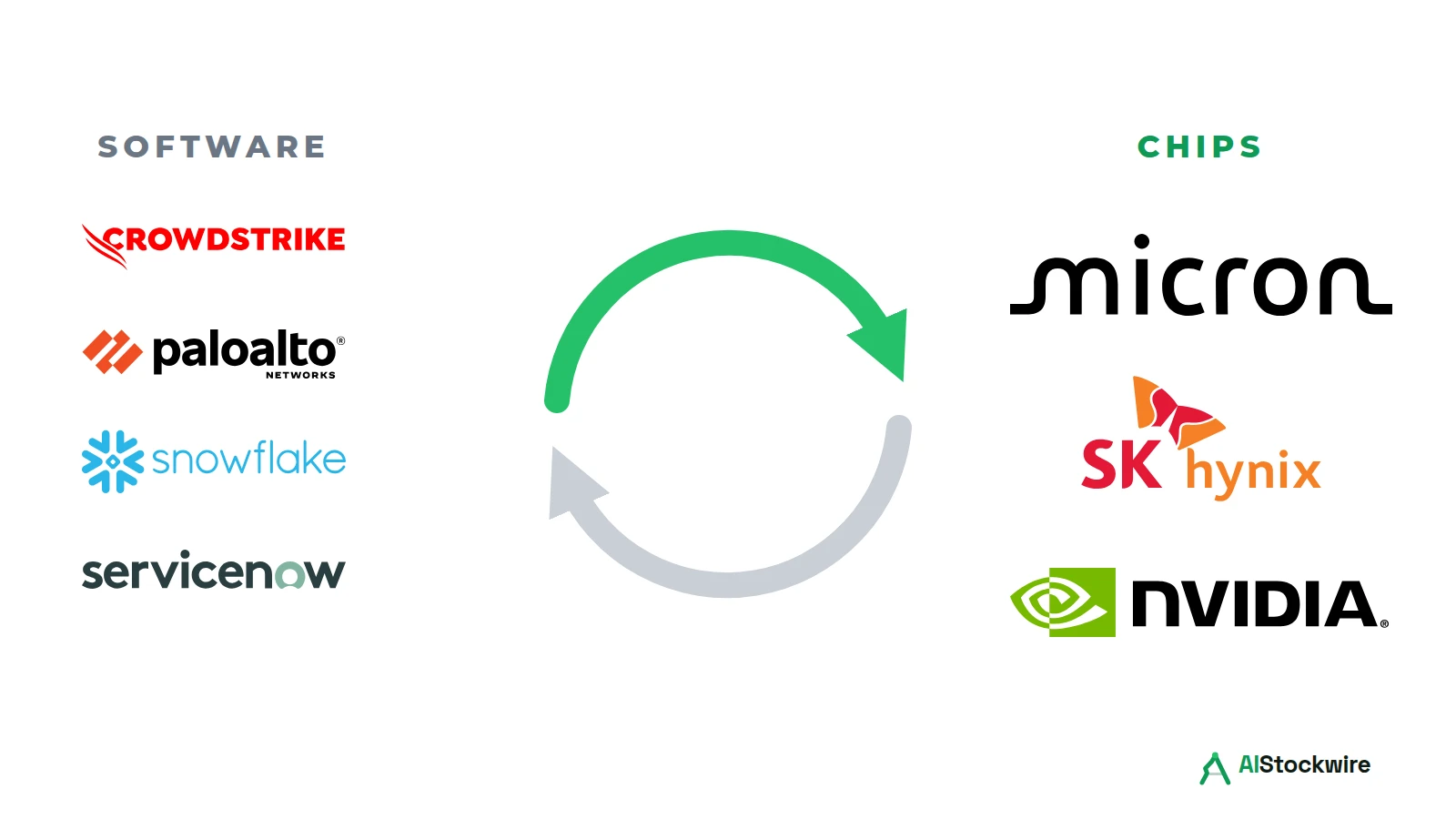
Software has beaten chips in the AI trade since June. I think earnings could send buyers back to chips.
Goldman's own strategists expect the thing that carried earnings this year to fade. One of its specialists is still watching the chips anyway.
Nvidia's (NVDA) new DGX Spark has half the memory and costs $1,000 more than the original did at launch
The 64GB model arrives Oct. 23, and the 128GB version now costs $6,950. Rising memory prices are the backdrop for both.
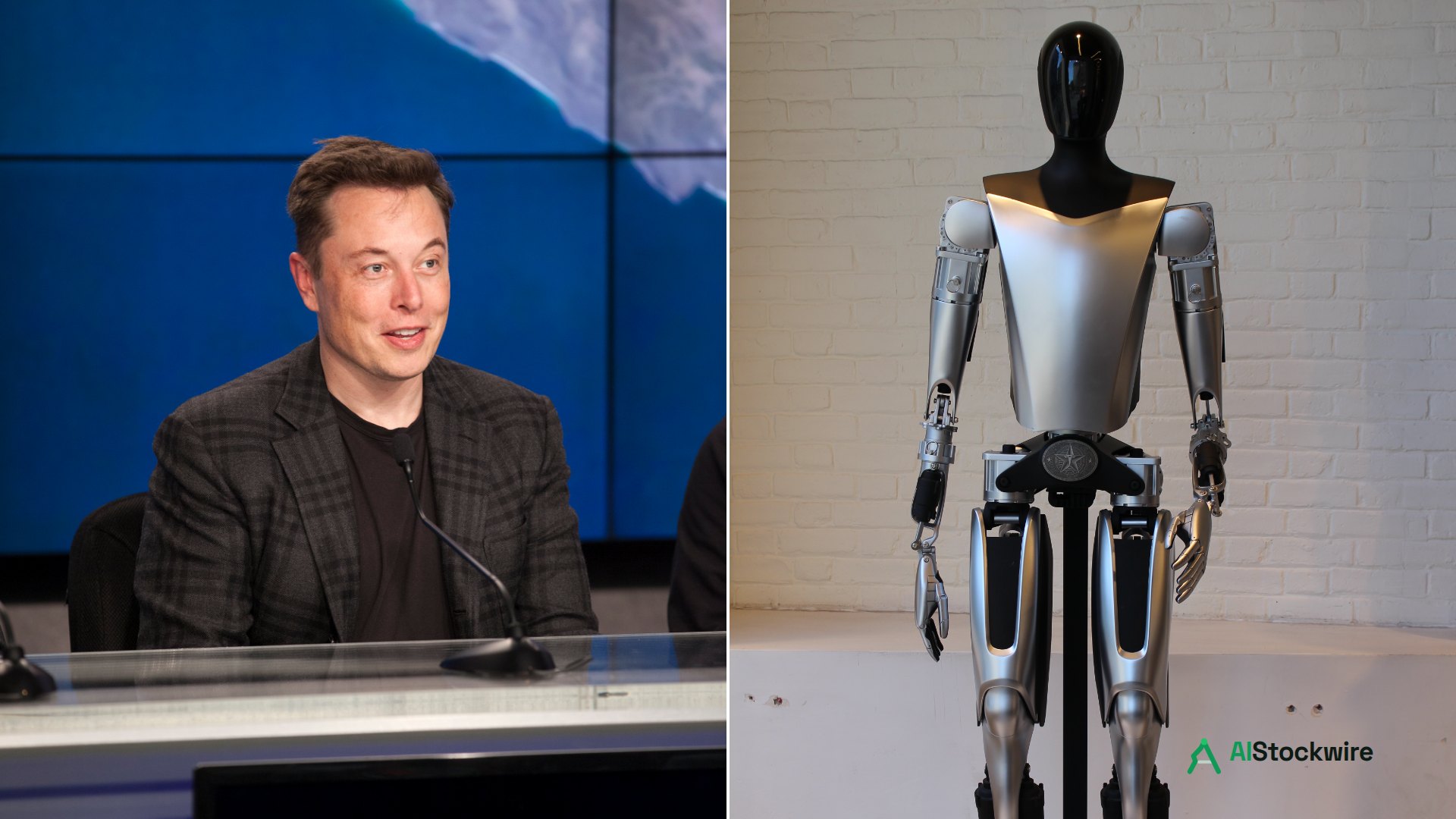
Musk says Tesla (TSLA) halved the memory on its AI5 chip to get enough for Optimus robots
Musk says it was the only way to get enough volume. He expects the smaller memory to barely affect the robot.
Micron (MU) sues China's YMTC over alleged trade-secret theft, seeks ownership of four patents
Micron sued YMTC in Idaho, accusing the Chinese chipmaker of using former Micron engineers to obtain 3D NAND trade secrets. Micron says it found the problem while defending against YMTC's own patent suits.
Michael Burry switches Nvidia (NVDA), Micron (MU), and Palantir (PLTR) shorts to puts, says the AI bubble could burst within a year
He wants more leverage on bets he already held. Two days after his post, Micron reported its results.
Micron (MU) beats earnings estimates, reveals a $150 billion contract backlog, and forecasts another record quarter
The $150 billion counts only some of Micron's 26 customer agreements, and June's $100 billion figure was measured a different way.
Micron (MU) rivals Nvidia (NVDA) as a driver of S&P 500 profit growth going into its Sept. 30 report
LSEG and FactSet data rank Micron among the biggest drivers of S&P 500 profit growth, ahead of Nvidia. Micron's Sept. 30 results beat estimates, but can memory keep carrying the index?

Michael Burry says Big Tech is understating AI's costs. It's the write-off risk I'm watching.
Michael Burry says the biggest cloud companies are understating what their AI chips cost, by about $176 billion through 2028. It is the write-off risk I flagged earlier this week, from a different angle.

Three dot-com warning signs are back for AI. I'm watching for a fourth.
Chip and memory prices are climbing, bond buyers want wider spreads on AI debt, and the Fed is raising rates. Those are three warning signs from 2000. Here's the one I'm still waiting for.
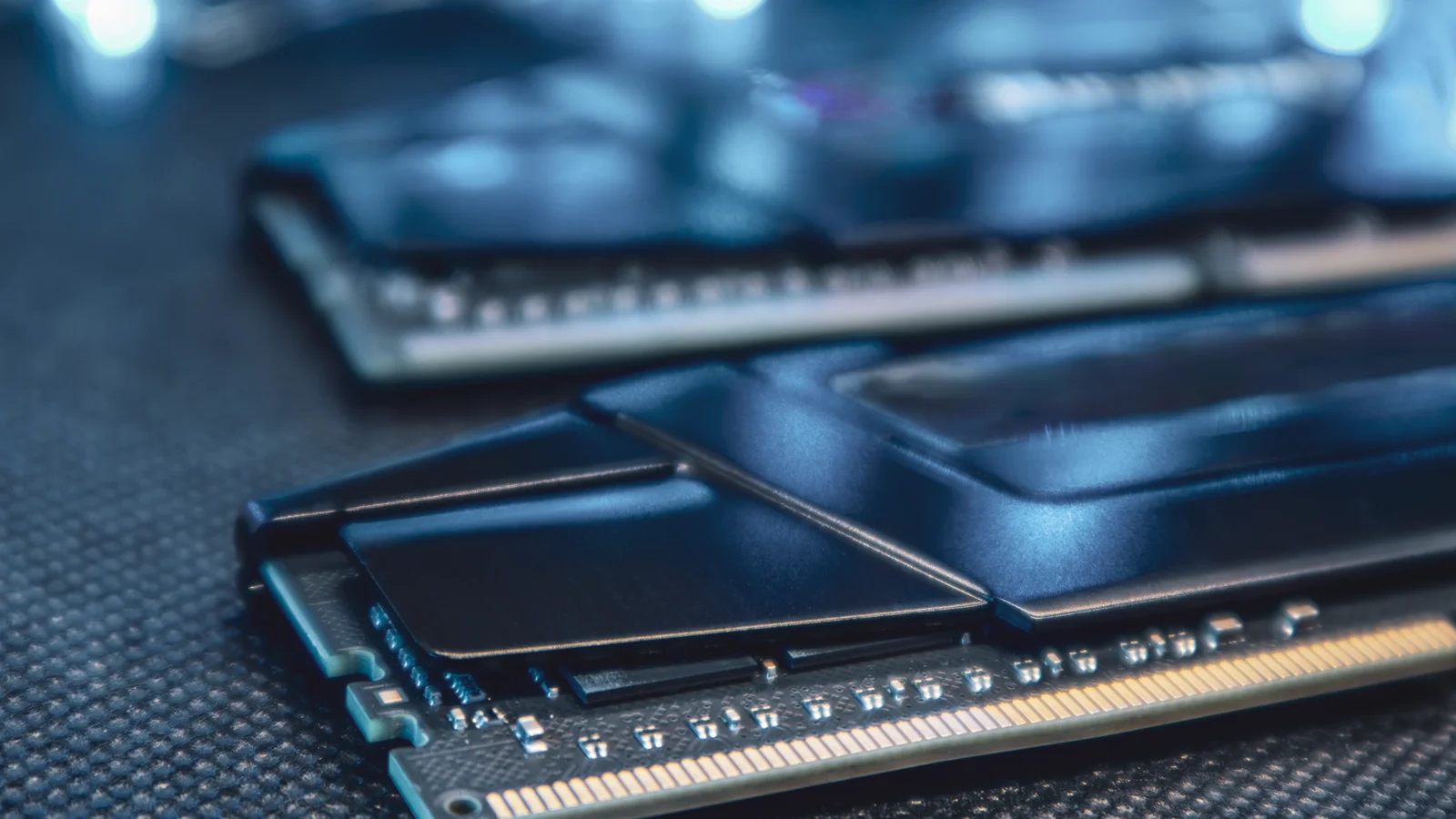
Memory stocks compared: Micron (MU) vs SK Hynix (SKHY) vs Samsung vs Sandisk (SNDK) vs Kioxia
Micron and SK Hynix earn most of their revenue from DRAM and HBM, Sandisk and Kioxia make only NAND, and Samsung does both plus phones. All five peaked in June, and only three have a US exchange listing.

Acer CEO says Samsung, SK Hynix and Micron are talking up the memory shortage.
Acer chief Jason Chen says the memory shortage driving up PC prices will not last to 2030, and accuses Micron (MU), SK Hynix (SKHY) and Samsung of talking it up to protect margins. He still sees PC prices rising into 2027 before cheaper Chinese supply pulls them down.
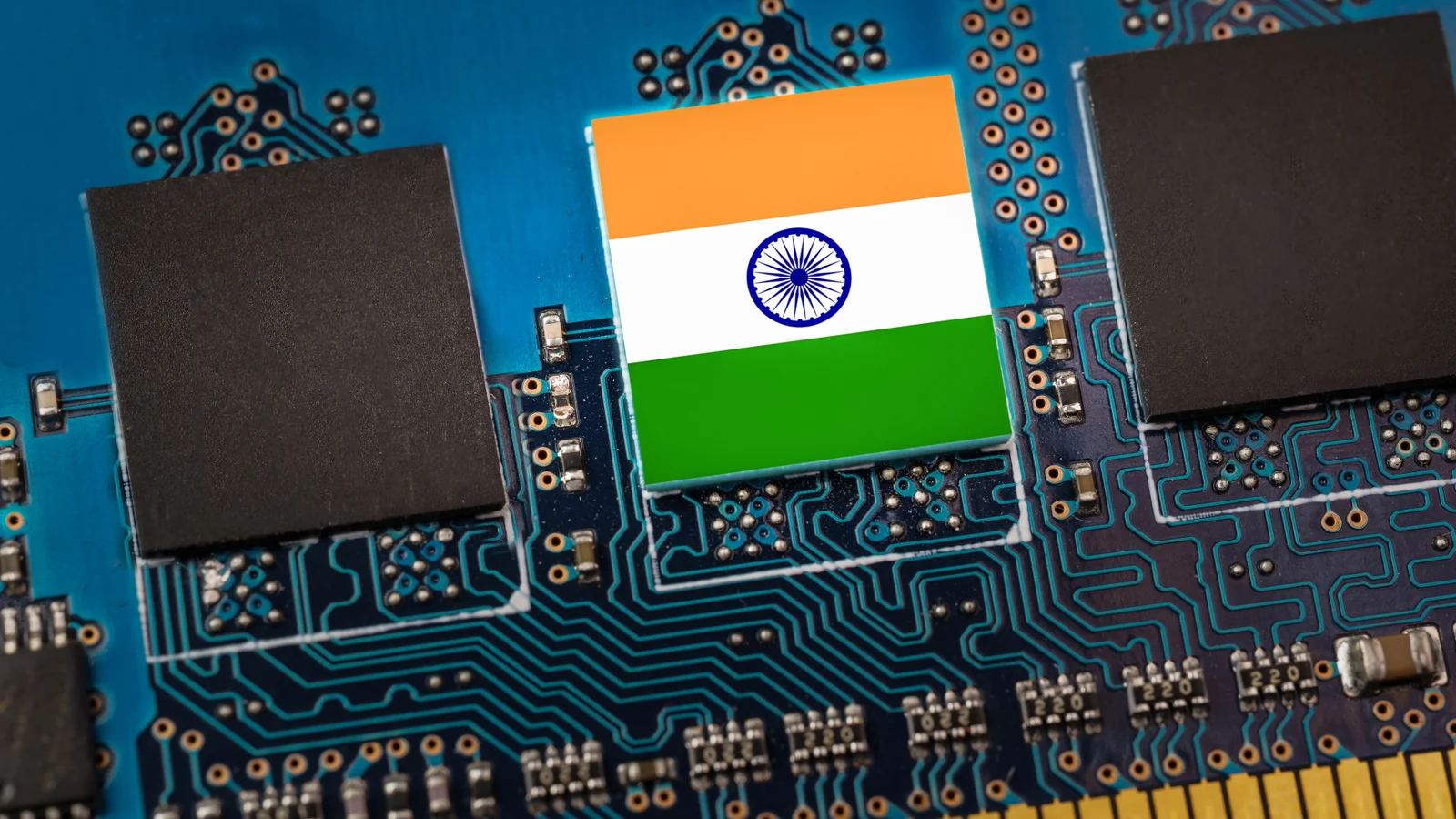
Applied Materials (AMAT) commits $5 billion to India and plans a 140-acre chip research park
Applied Materials (AMAT) will put $5 billion into India over the next decade: a 140-acre research park, a tenfold bigger supply chain, and double the R&D staff. Karnataka has approved 140 acres near Bengaluru's airport, and India has approved a $13.5 billion second-phase chip program.
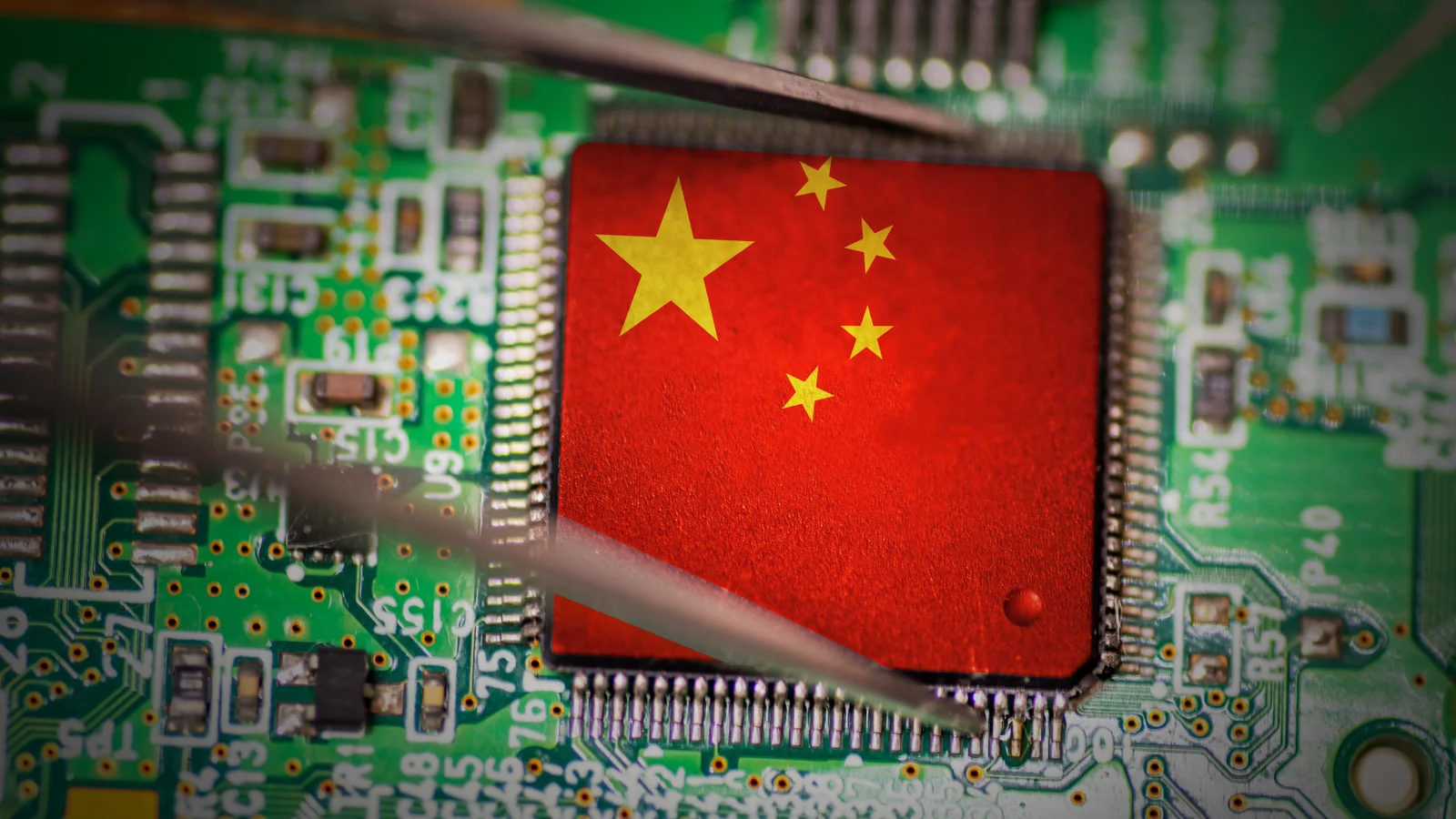
China's CXMT says its fifth-generation DRAM is in mass production and 'on par' with the industry's best
China's largest DRAM maker says its fifth-generation platform is in mass production, three weeks after its half-year report listed it as still in customer qualification. Two 24-gigabit LPDDR5X chips built on it are already in volume production.