
Articles by Mia Park
Page 3 of 7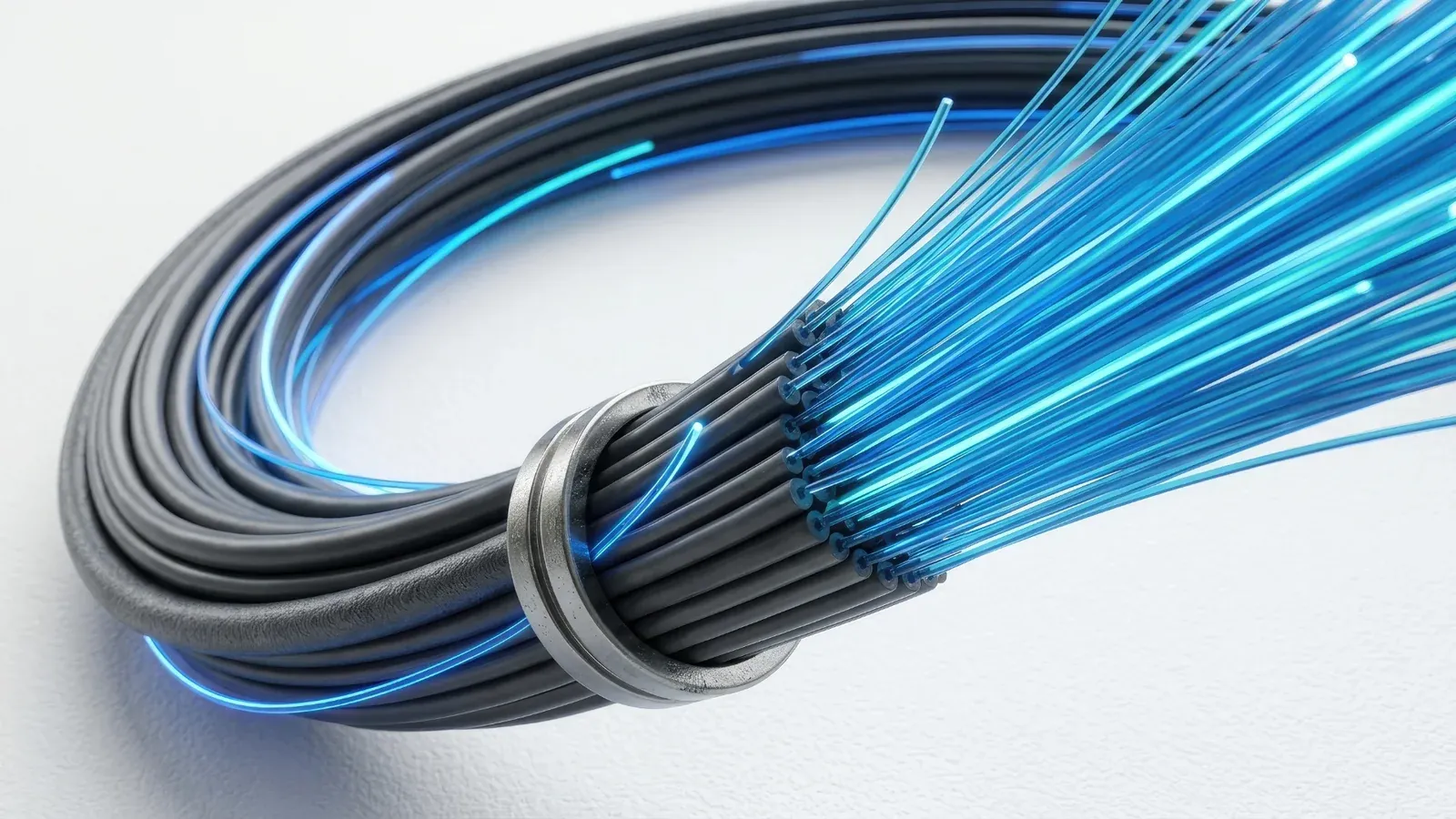
Verizon's Corning fiber deal sent Korean optical stocks soaring, even with no Korean supplier named
Mercury and Wooriro closed at their 30 percent daily limit in Seoul on Wednesday after Verizon and Corning announced a large US optical fiber contract. The announcement names no Korean supplier. Taihan Fiberoptics, which has disclosed 864-core cable orders, posted the smallest gain of the six.
Samsung chairman is buying $1.45 billion in shares from his mother
Lee Jae-yong will buy 7,188,793 Samsung Electronics shares from Hong Ra-hee on October 12 for 1.9374 trillion won. Her borrowing against the family's inheritance tax bill nearly doubled in a year.
Samsung led a 3 billion euro round for France's Mistral AI. Its own chip plants are the first customer.
Samsung Electronics led Mistral AI's 3 billion euro funding round and signed a partnership to run the French company's models inside its chip business. Samsung did not disclose the size of its stake.
Korean nuclear stocks surge on reported $130 billion US reactor proposal
KEPCO E&C closed 16.6% higher on Tuesday and two Kosdaq suppliers hit their daily limit, after a report put eight large US reactors in Korea's investment package. The reactor design is still being negotiated.
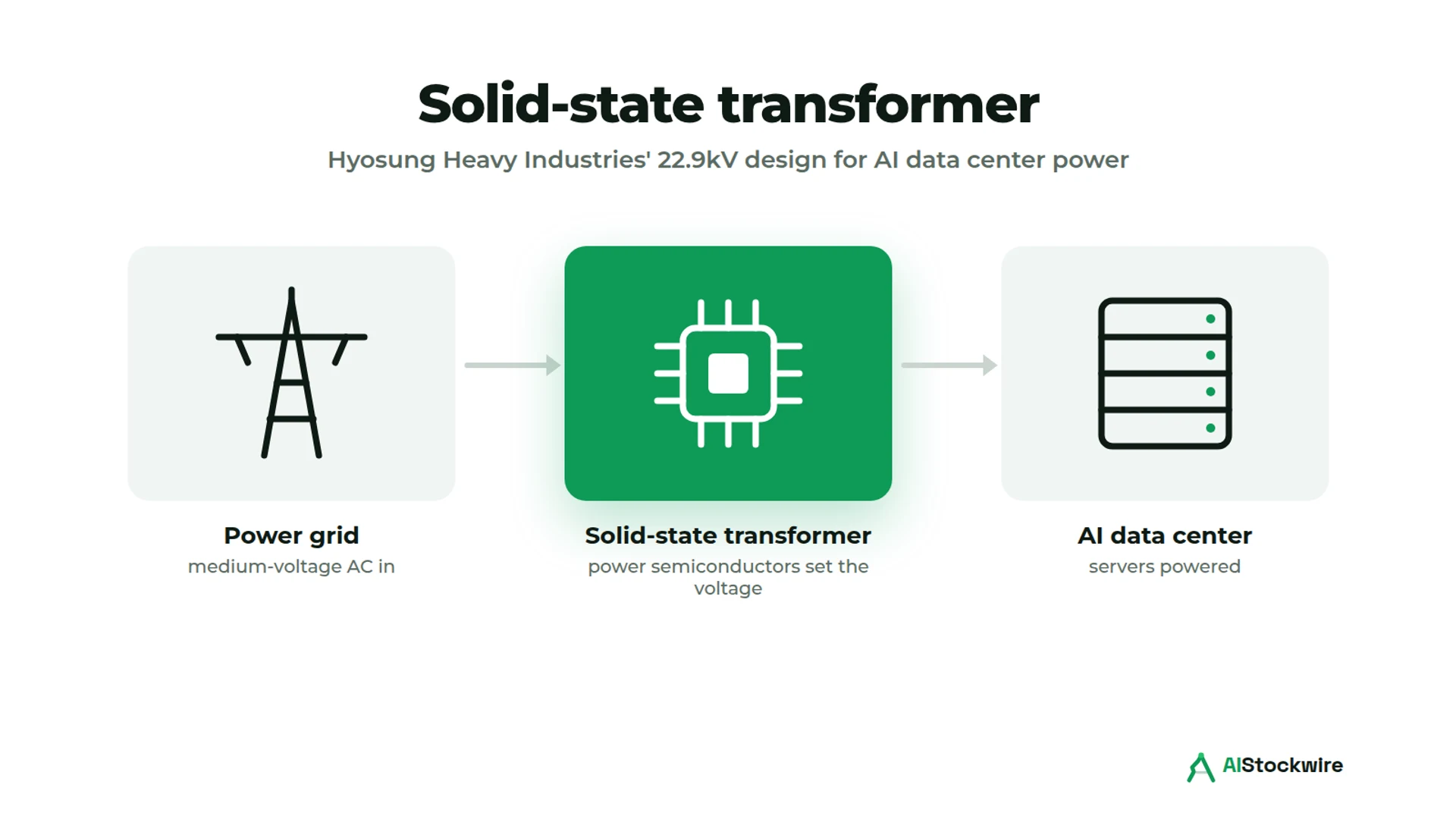
Korea's Hyosung Heavy Industries (298040) is pushing to power America's AI data centers. The stock rose 8.5% on Monday.
Korea's Hyosung Heavy Industries is expanding its push to supply power equipment to US AI data centers. Its shares rose 8.5% in Seoul on Monday, closing just below 3 million won, and North America is now 57% of its order backlog.
Samsung and SK Hynix memory inventories fall below 10 days, KB Securities says. Kospi rally nears 7,000.
Foreigners and institutions bought a net 5.2 trillion won on Monday while individuals sold 6.8 trillion. KB Securities' Kim Dong-won says memory inventory at Samsung and SK Hynix is under 10 days and the stocks trade at three times 2027 earnings.
Samsung and SK Hynix (SKHY) plan a memory expansion bigger than CXMT's entire projected capacity
A Bank of Korea report dated September 2 says Samsung's P4 and P5 fabs and SK Hynix's Yongin fab will add more than 600,000 wafers a month of memory capacity from 2028. China's CXMT is expected to reach 500,000 to 600,000 in total from the same year, and its shipments run far below its capacity. The bank still calls China a long-term threat.
South Korea's token securities rollout starts in February 2027. Listed-stock pilot remains undated.
Korea's Financial Services Commission published a three-phase roadmap on September 4. Phase one, from February 2027, covers institutional private funds, private bonds and unlisted shares. Listed stocks are limited to a Korea Exchange pilot, and phases two and three, including stablecoin settlement, have no dates.
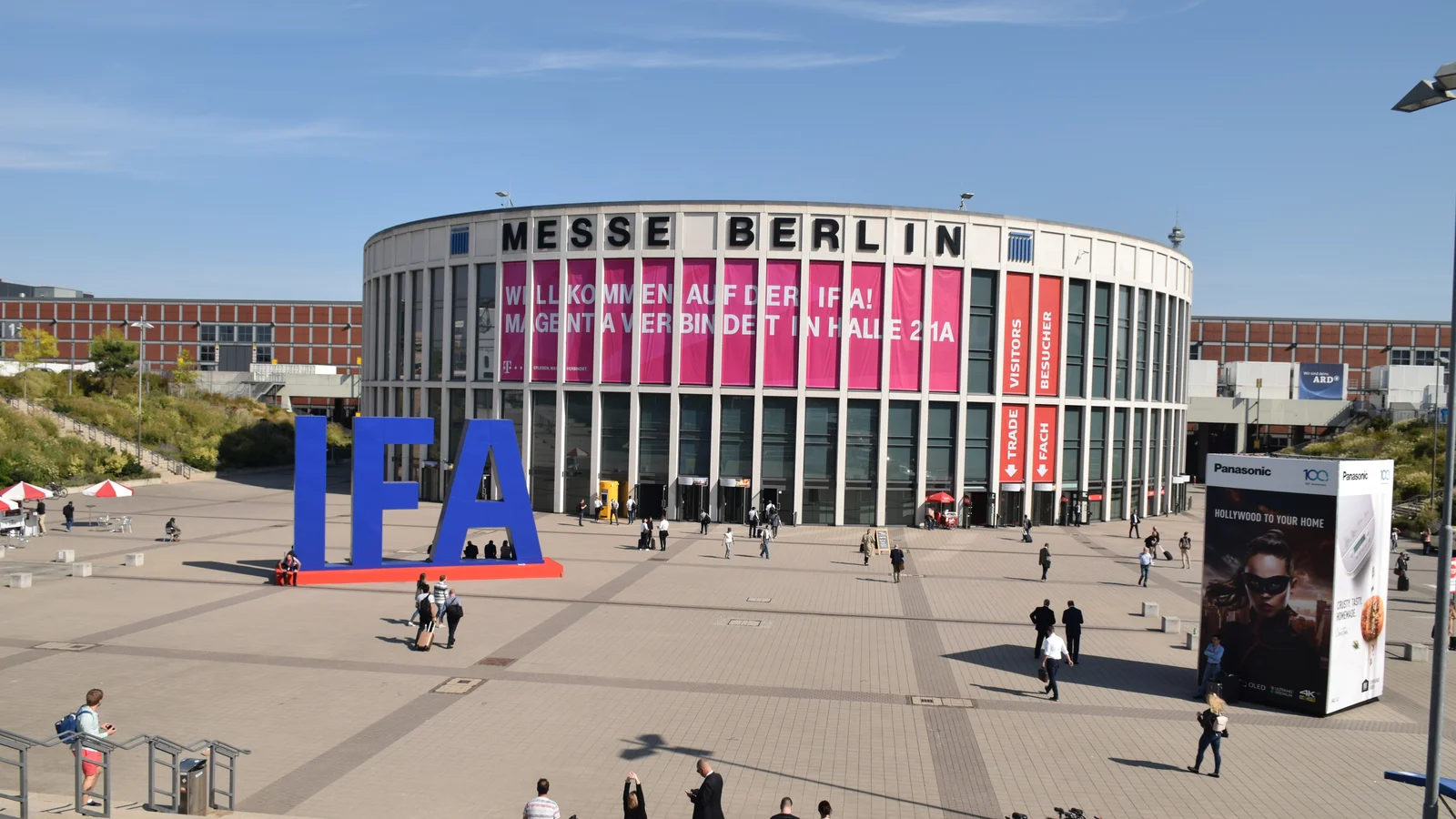
Samsung leaves its longtime hall as a record 932 Chinese companies bring TVs, appliances and humanoid robots to IFA 2026
Chinese companies were nearly half of the exhibitors at Europe's biggest appliance show, and a Chinese scooter maker took the biggest booth in the hall Samsung used to fill alone.
Samsung Electro-Mechanics is up 449% on AI-server demand. It's still 42% below its high.
The Kospi's best stock of 2026 is a Samsung affiliate that makes the capacitors and substrates inside AI servers. It has risen 449% this year and still sits 42% under its 52-week high.
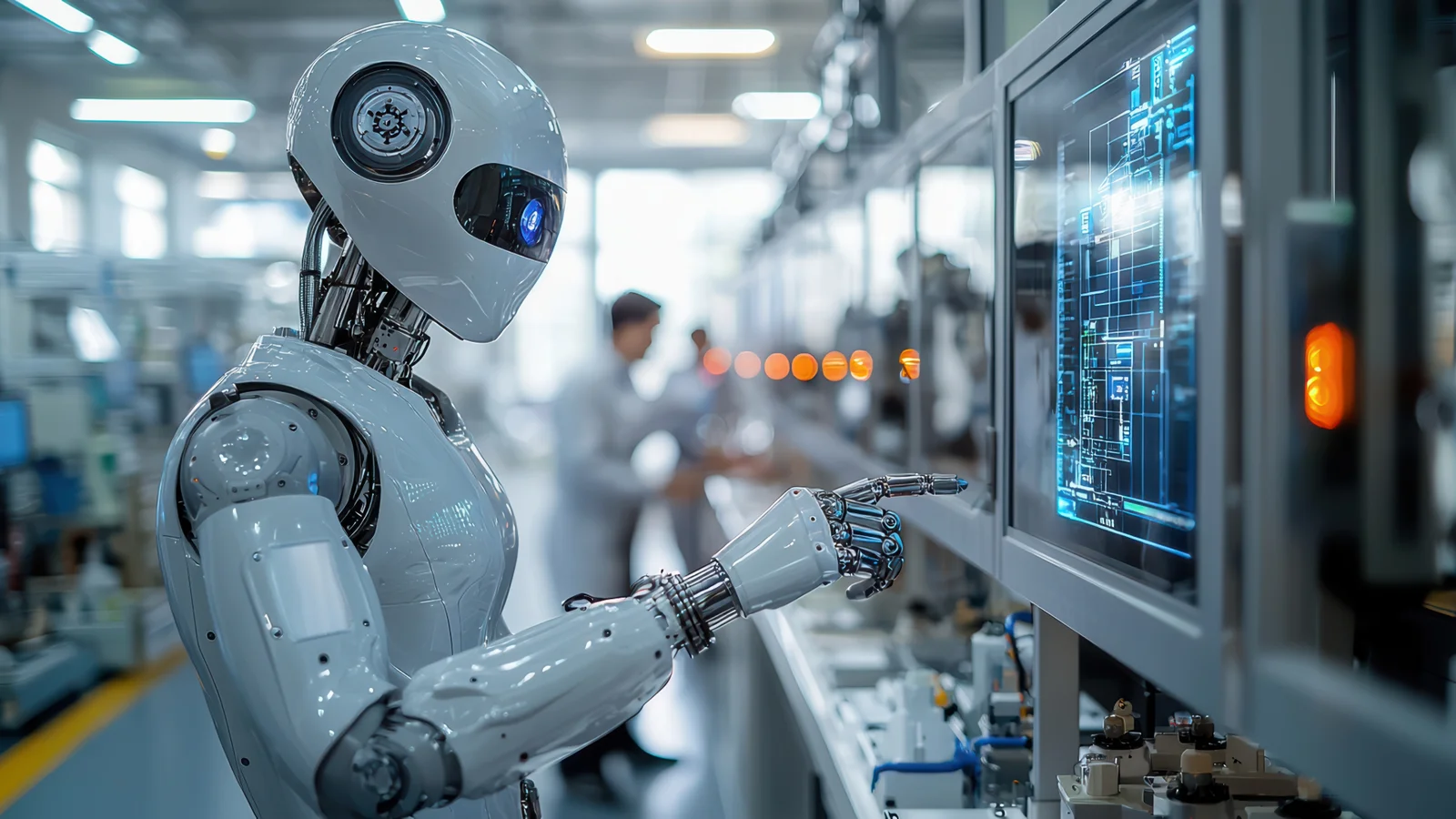
South Korea's Robotis (108490) rose 22.5% on a KB Securities note about a US robot rule
Robotis's stock rose 22.5% after a KB Securities note revisited its Q2 turnaround and a US FCC rule on foreign robots. The rule covers all foreign-made robots, not just China's.
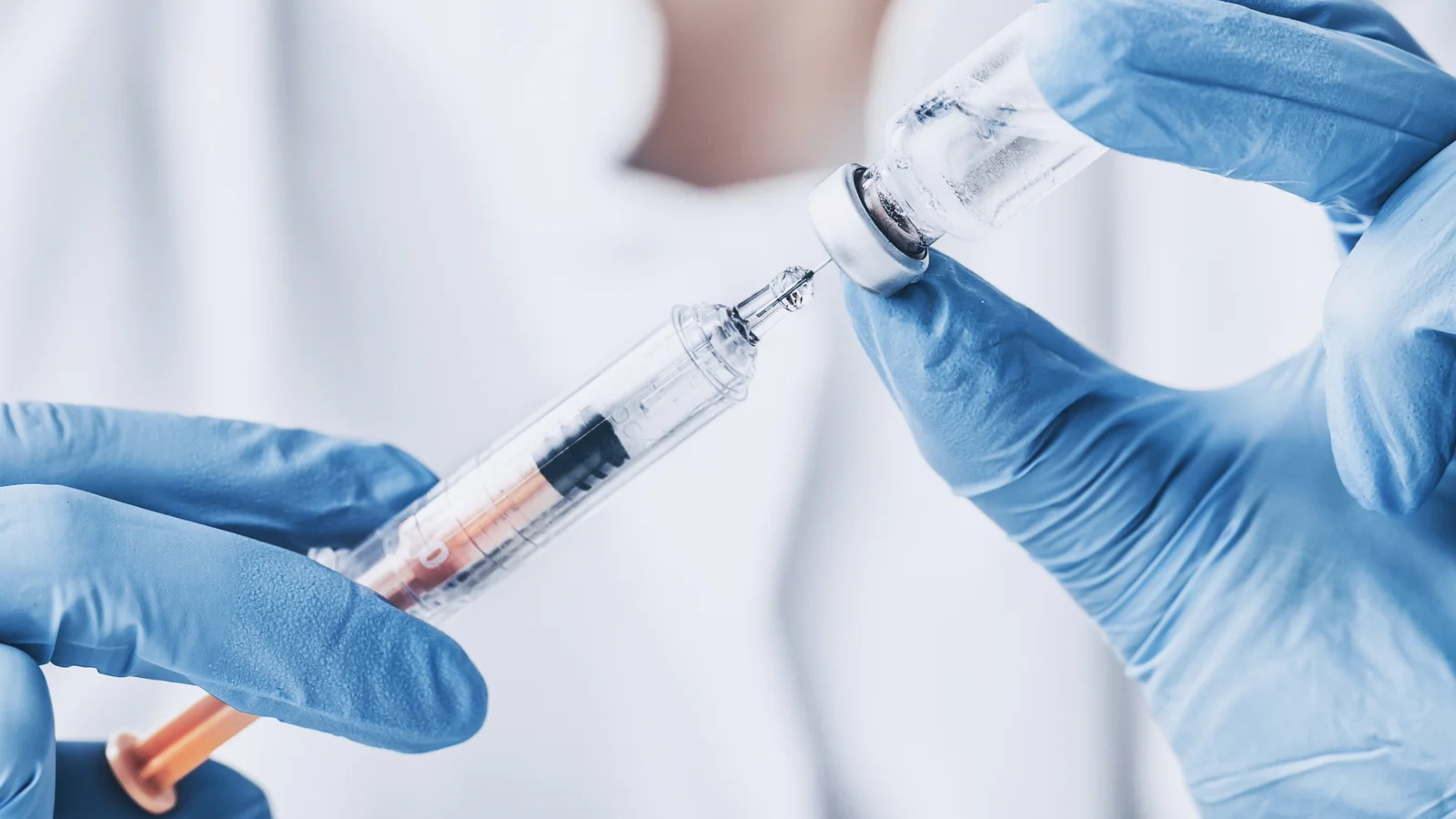
South Korea's GC Green Cross WellBeing rises 16.5% after partner's fat-reduction shot beats placebo in China
GC Green Cross WellBeing's stock rose 16.5% after partner Raziel Therapeutics reported topline China trial results for RZL-012, an investigational fat-reduction injection that ruptures cell membranes rather than acting as a GLP-1 peptide.
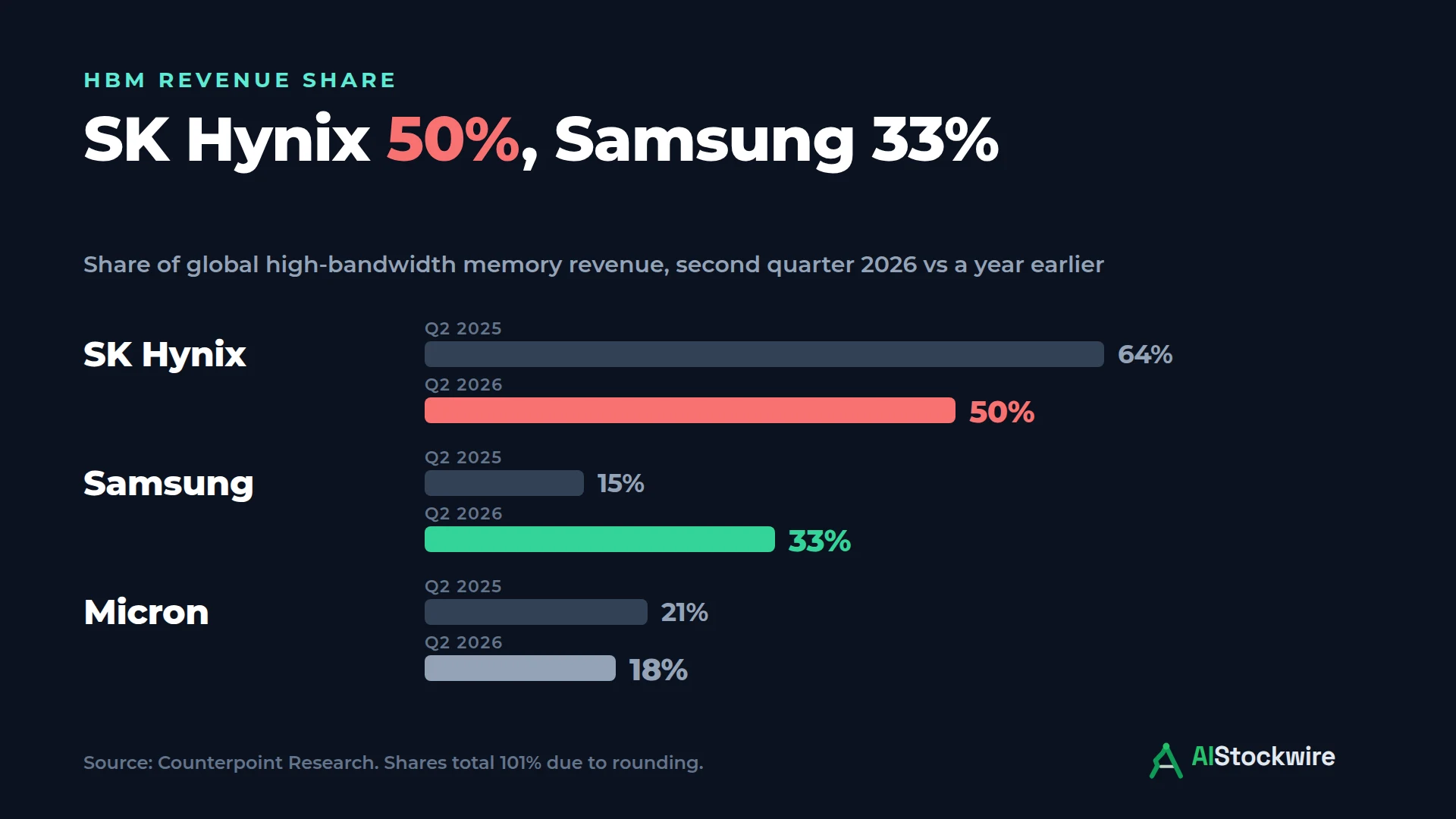
SK Hynix's (SKHY) HBM share falls to 50% as Samsung gains ground
Counterpoint Research's second-quarter numbers put SK Hynix at 50 percent of HBM revenue, down from 58 percent in the first quarter and 64 percent a year earlier. Samsung went from 15 percent to 33 percent over the same year, and most of its sales are still HBM3E, with HBM4 only starting to count in the second half.
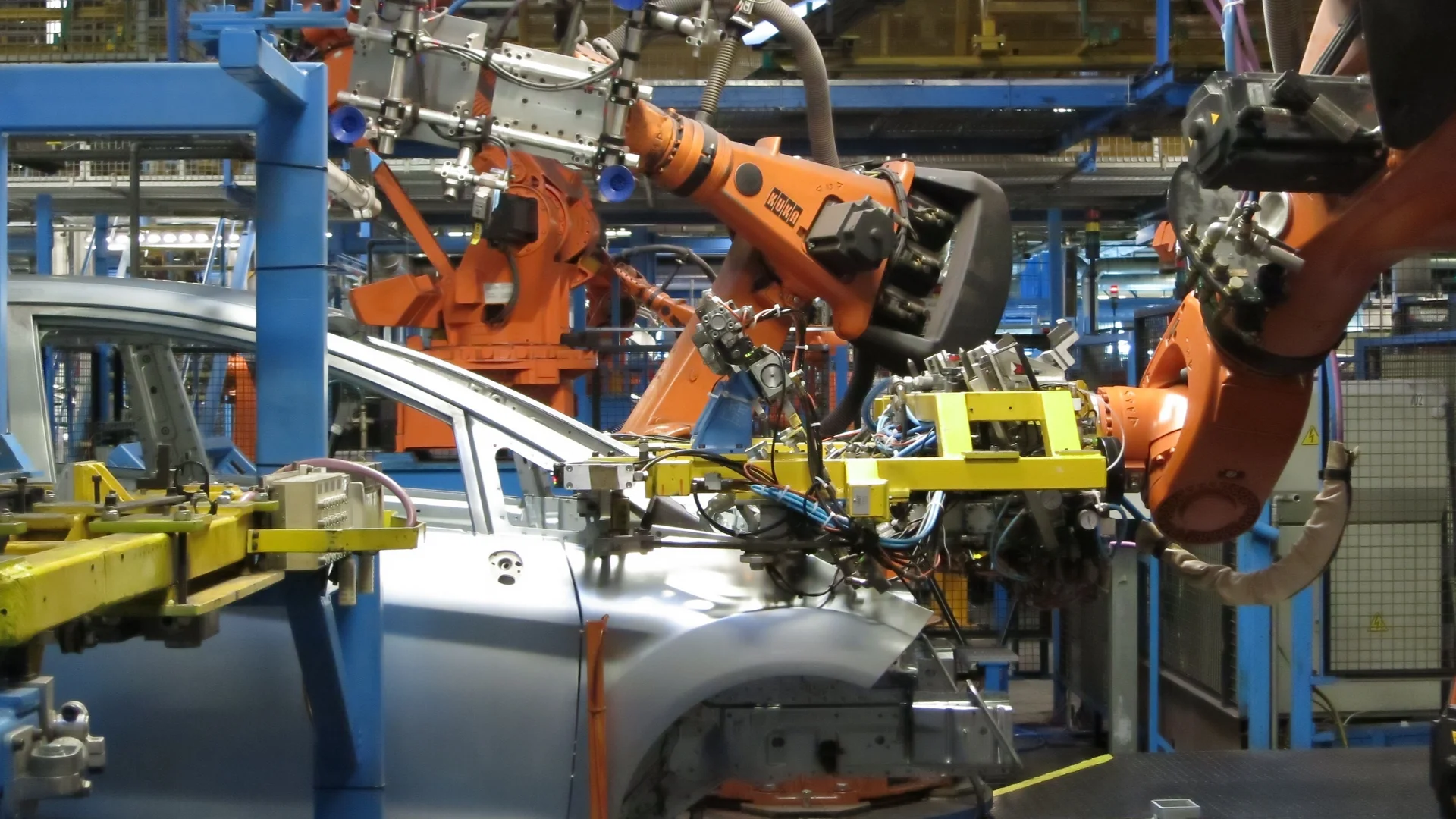
Korean company LaonPeople rose 30% after joining a 70.2 billion won physical AI project. It hasn't said how much of the money is its own.
LaonPeople, a Kosdaq AI vision company with 7.67 billion won ($5.7M USD) of revenue in the first half, was named an implementing organization for a 70.2 billion won ($52M USD) government physical AI project that runs to 2030. Its shares closed at the 30 percent daily limit on September 3, after a year of rights issues and losses.
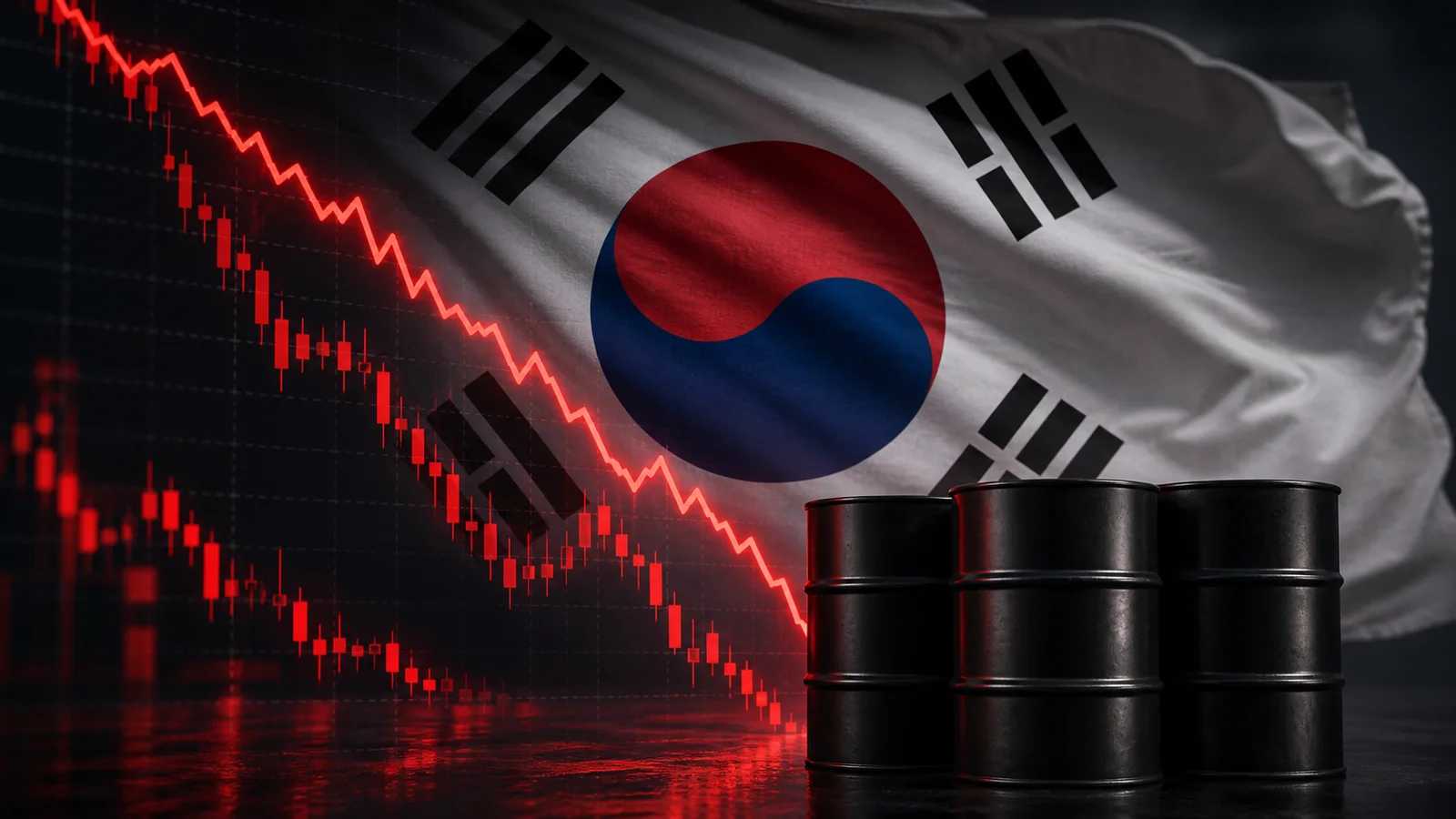
Korea's Kospi falls 4% as Hormuz strikes push Brent toward $95
Brent went near $95 after US strikes around the Strait of Hormuz, and the Kospi closed down 3.99 percent. Korea imports about 70 percent of its crude from the Middle East, and its refineries are built so it cannot easily buy it anywhere else.
How to buy Korean stocks from the US with ADRs, brokers, and ETFs
The Korea Exchange lists nearly 2,900 companies and around 10 of them trade in the US as depositary receipts. Korea scrapped its 30-year foreign investor registration rule in December 2023, and Interactive Brokers and Schwab now reach Seoul directly. Here are the four routes in and what still blocks them.
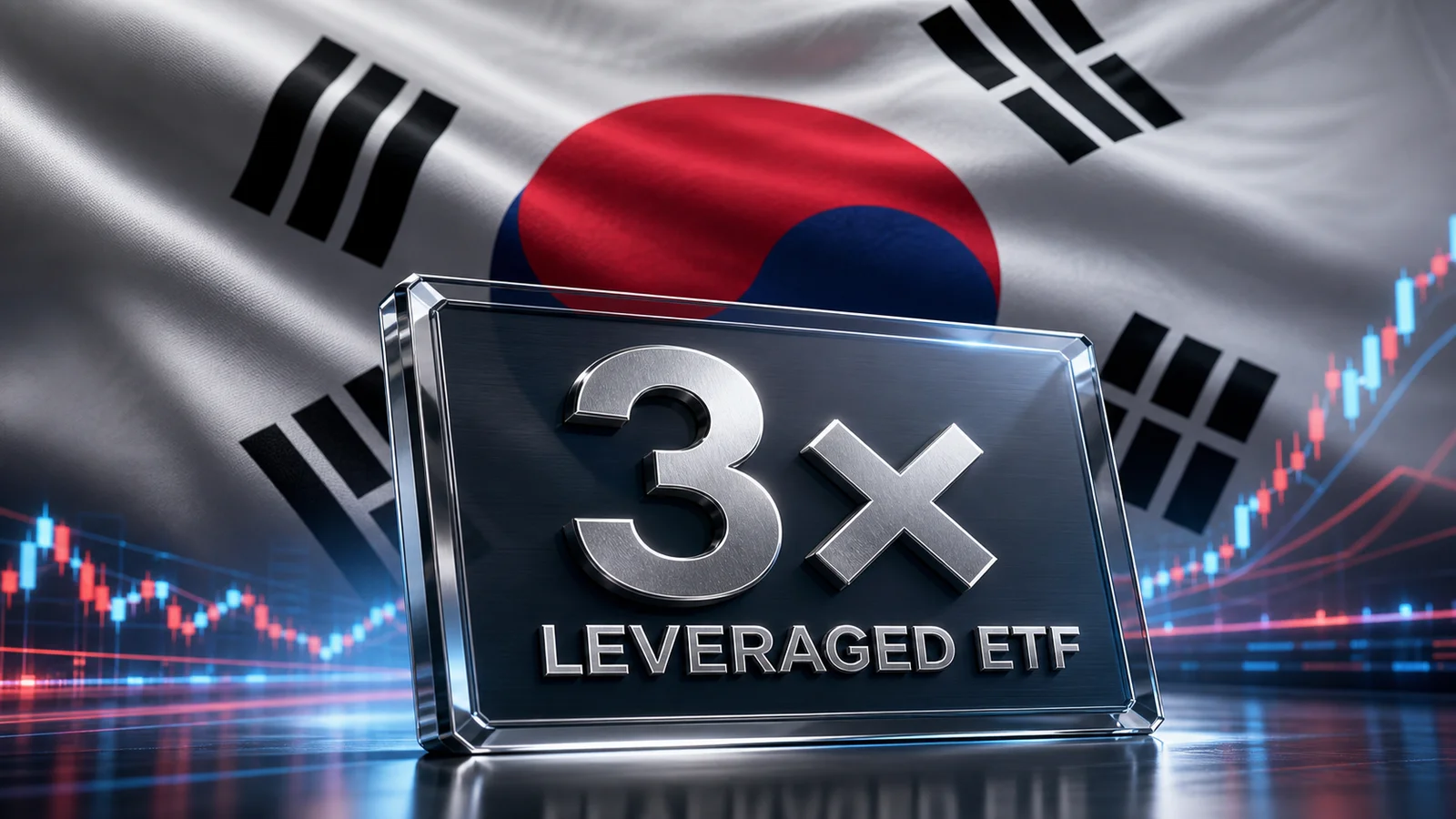
Korean investors can no longer see SOXL's price during their own trading hours. They bought $1.36 billion of it in one week.
Blue Ocean, the US venue behind Korea's daytime trading in American stocks, made 18 symbols unavailable from September 1. Four of them, SOXL, KORU, SNDU, and RAM, are funds Korean investors buy constantly.
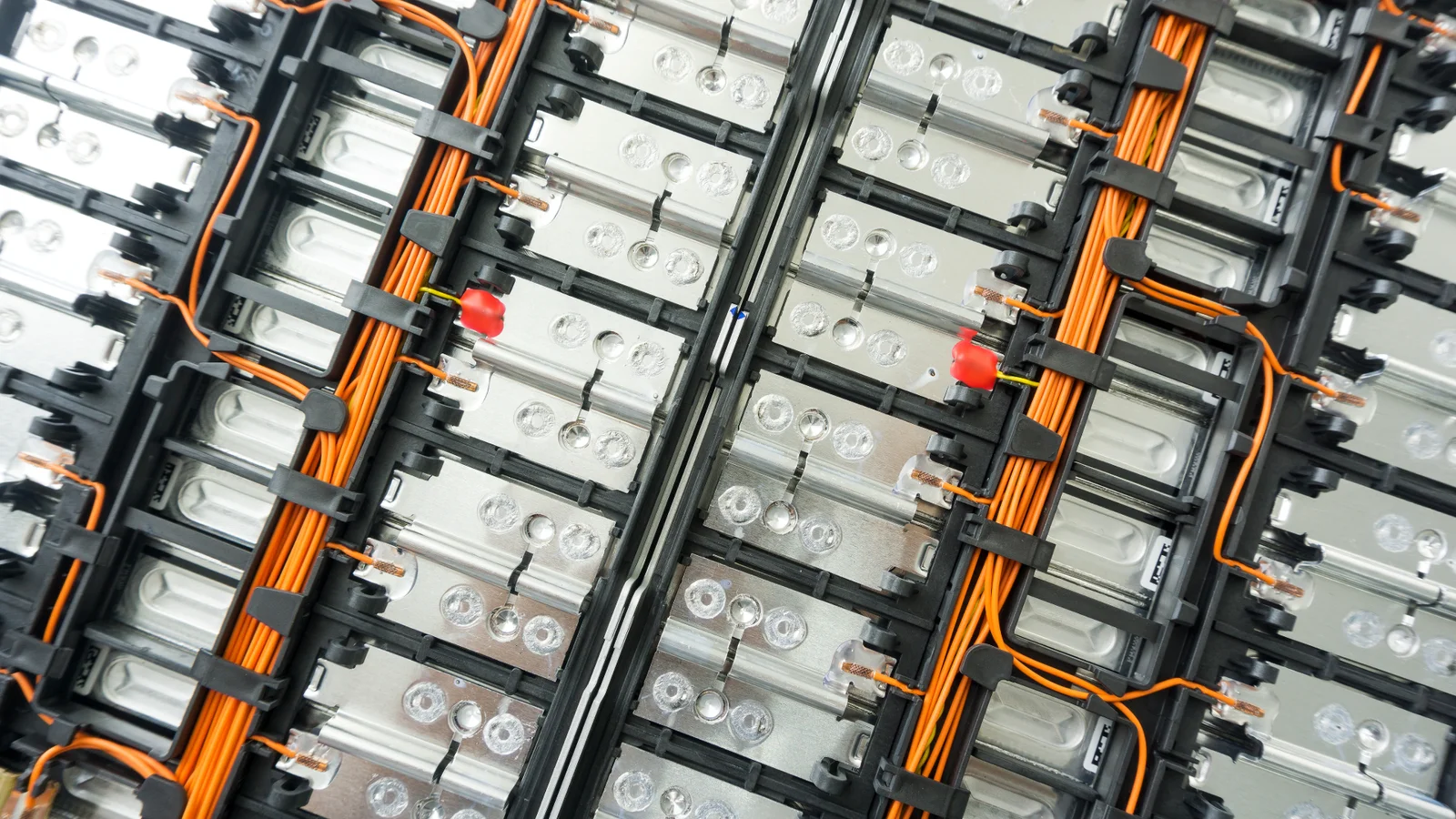
SK Innovation jumps 7% as SK On lands estimated $1.1 billion US battery storage order
SK On will supply 9 GWh of LFP cells to NeoVolta Power from 2027 to 2031, a deal the Korean press values near 1.5 trillion won ($1.09 billion). It is nine times its first US storage contract, and SK Innovation closed up 7.36%.
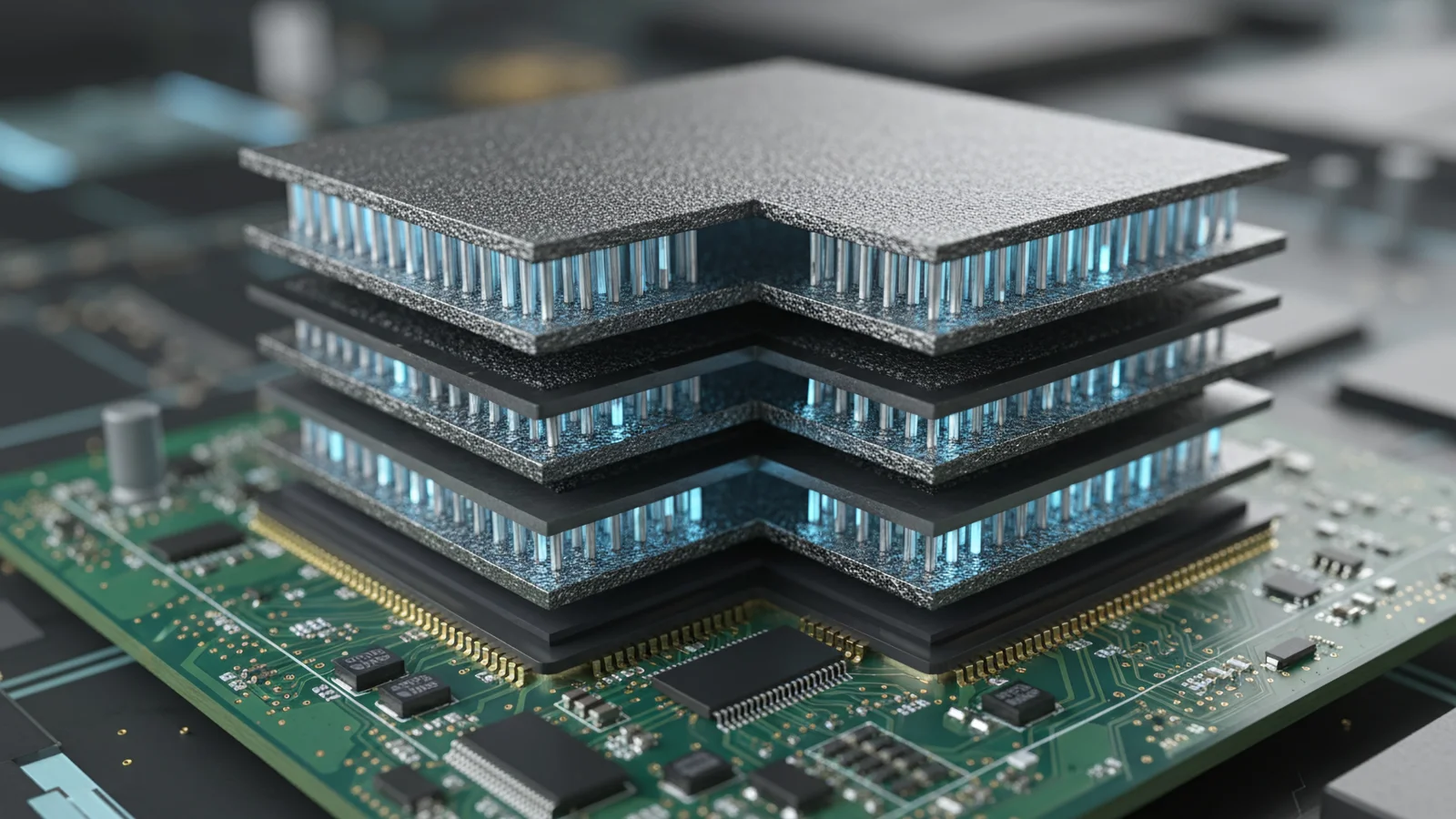
Samsung and SK Hynix sold their memory years in advance. Buyers left out now pay up to 5 times the contract price.
A 36-gigabyte HBM3E chip sells for about $2,100 on the spot market, while long-term contract customers pay 500,000 to 700,000 won ($360 to $500 USD). Korea's HBM export price passed $70 for the first time in July.

Korea's retail investors are deep in losses. The government's stock trading tax still rose 401%.
Korea collected 1.4 trillion won in securities transaction tax in July, up 401% from a year earlier. The tax is charged on trades, not profits, so a falling market that keeps trading still fills the treasury.

China's Pony.ai (PONY) is bringing 200 driverless taxis to Seoul. Its Korean partner PonyLink rose 26% in a week.
China's Pony.ai and Korean operator FutureLink signed a deal on August 28 to put 200 Level 4 robotaxis on Korean roads by 2028. FutureLink's KOSDAQ-listed parent PonyLink rose 26% in a week.
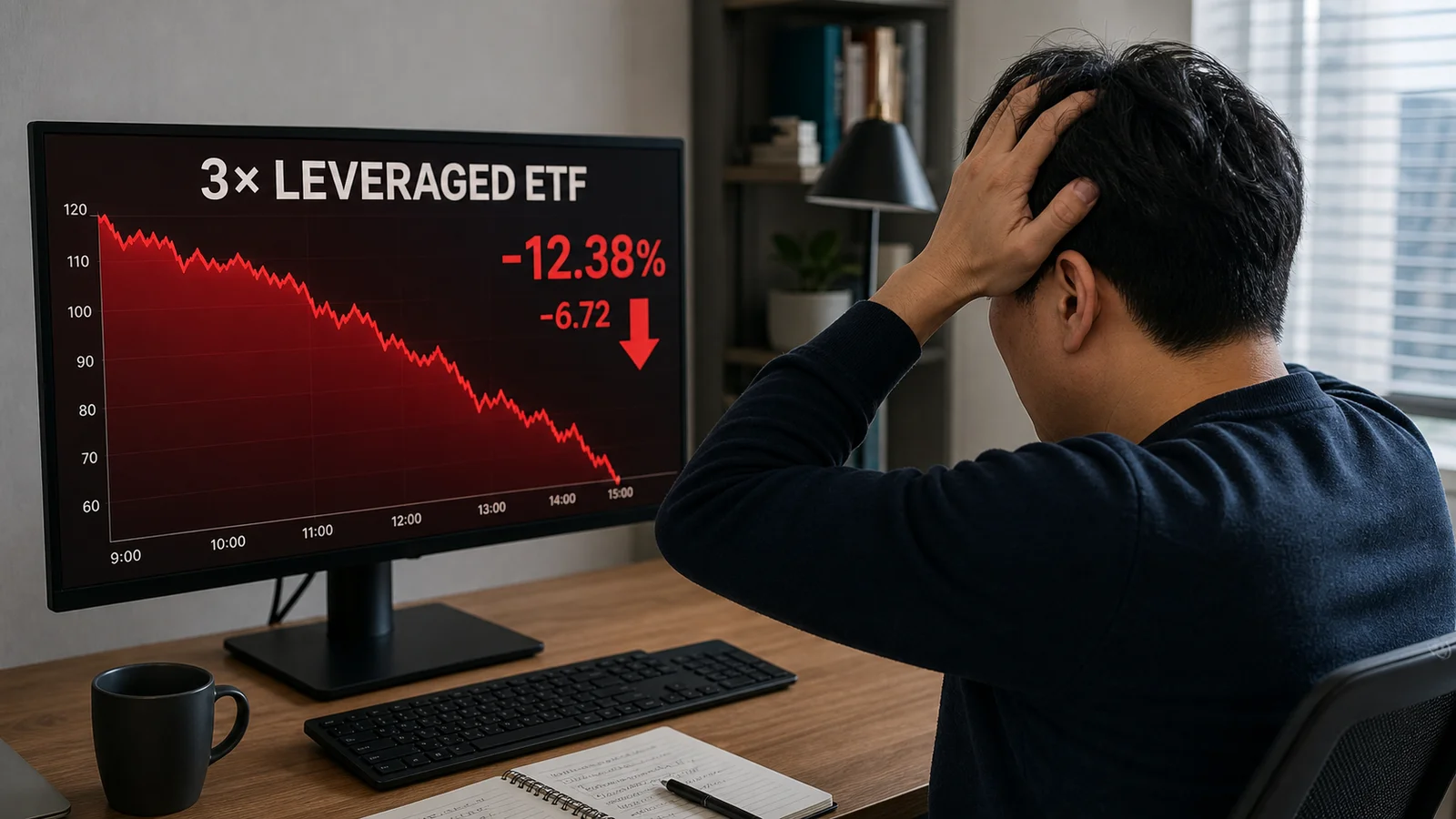
Korean investors put $798 million into a 3x leveraged semiconductor fund (SOXL) in one week. It fell 9.5% the next session.
Korean investors made a 3x semiconductor fund their number one overseas purchase in the week of Nvidia's earnings, with $798.04 million going in. That's about 58 times what they put into Nvidia itself.

What is a Korean theme stock? A lighting company just became Korea's hottest chip trade.
Kumho Electric has no announced semiconductor business. Its shares rose more than tenfold in two months anyway. How Korean theme stocks, or temaju, turn a name into a rally.
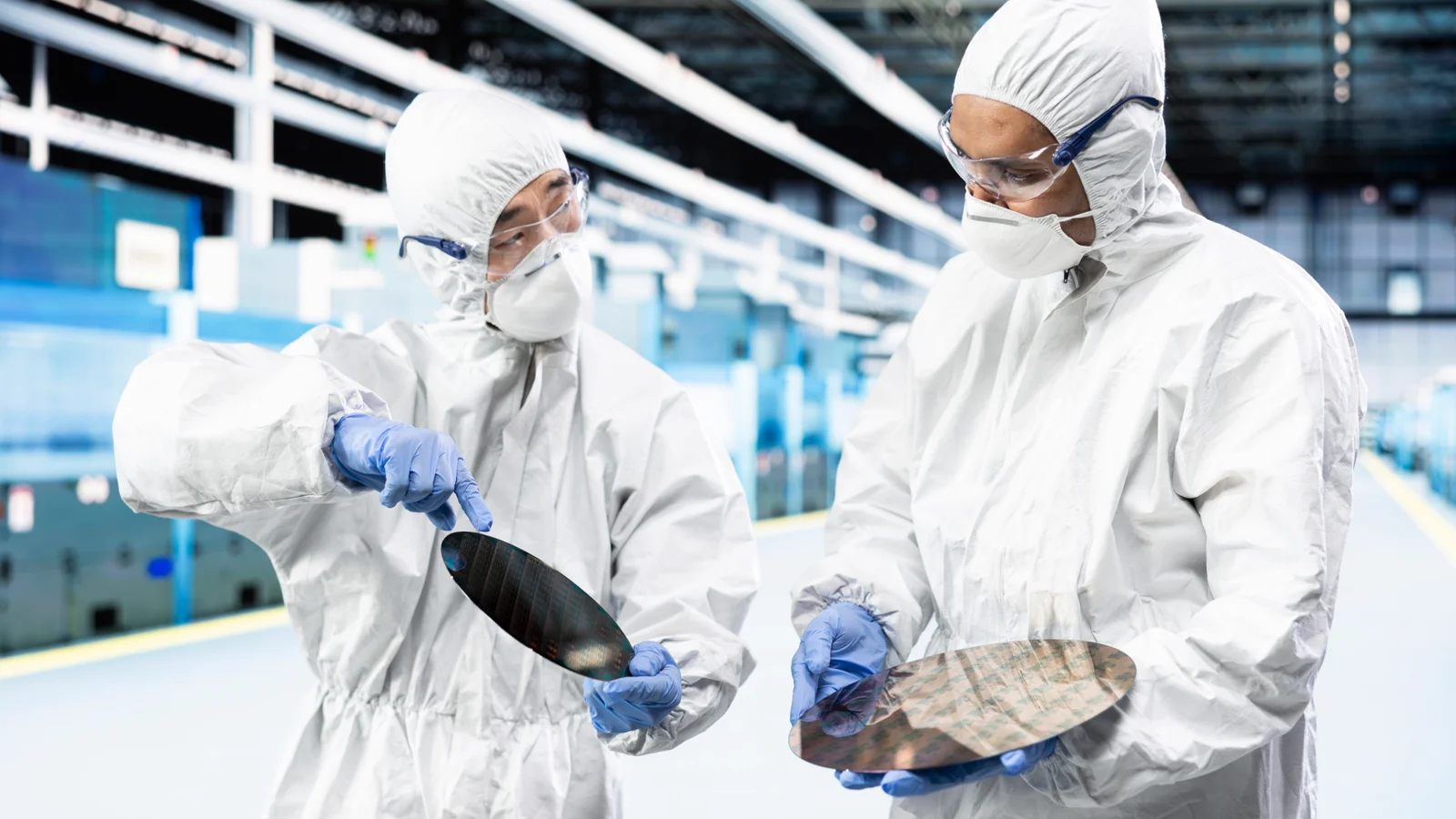
Simmtech makes 70% of the boards under Nvidia's new memory modules. The stock rose 12.6% after Nvidia's earnings.
Simmtech, a substrate maker from Cheongju, closed up 12.60% after Nvidia's results and is up 27.3% in a week. It makes about 70% of the substrates for SOCAMM, the memory module in Nvidia's AI servers.