Key points
- The Pentagon says it has stopped using Anthropic's AI
- Its own phase-out deadline was late August
- Sources told the BBC Claude was in use last week
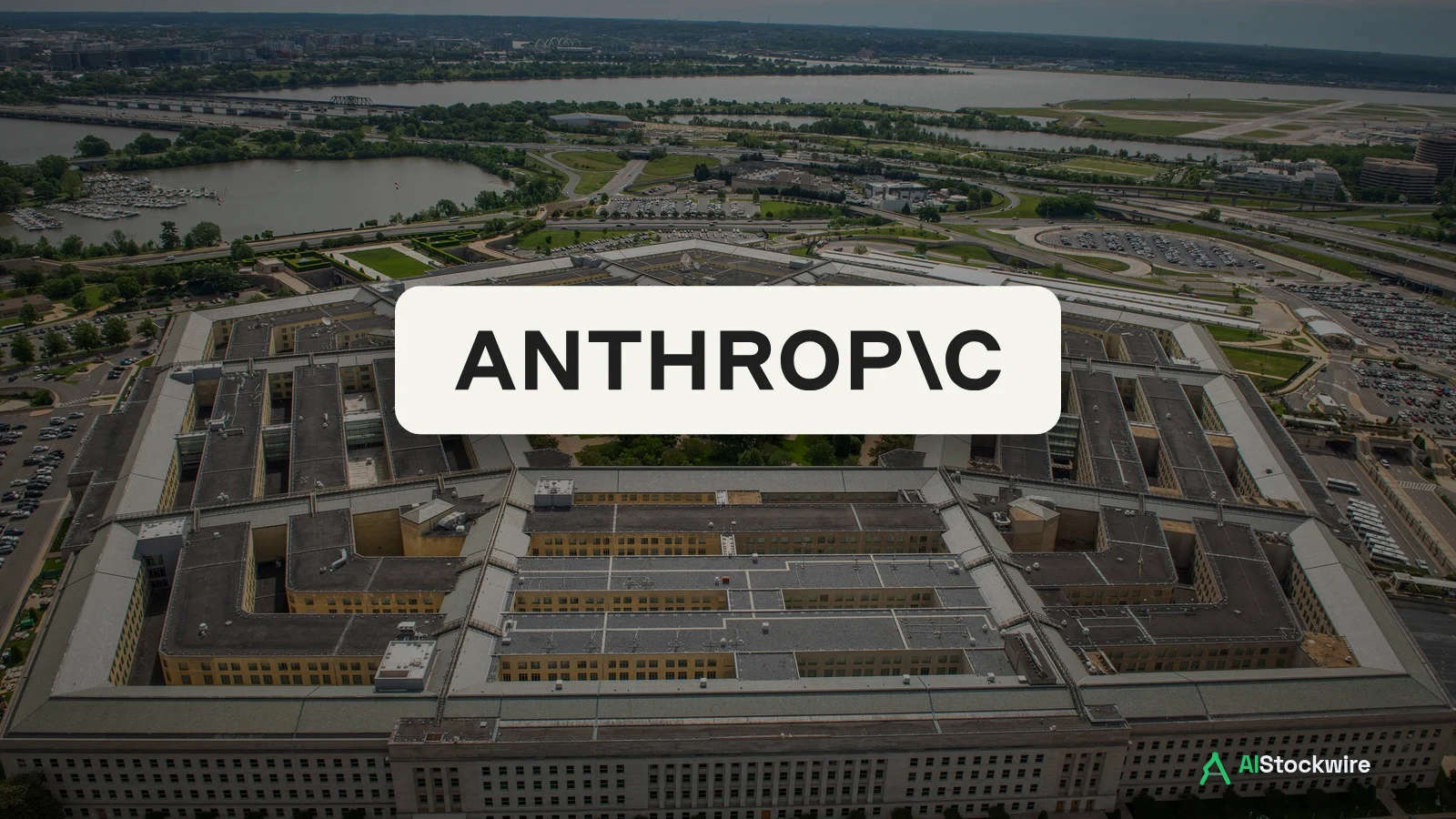
The Pentagon told the BBC on Oct. 5 that it has stopped using Anthropic's AI tools, more than a month after its announced phase-out deadline. Sources told the BBC that Anthropic's Claude model was still being used as recently as last week, including in military operations against Iran.
The Pentagon "has ceased the use of Anthropic products," a department official said in a statement. The statement did not specify when that use ended.
Defense Secretary Pete Hegseth labeled Anthropic a supply chain risk in February and set a six-month deadline on Feb. 27 to phase out its tools, the BBC reported. That put the deadline in late August. The BBC said it isn't clear why the Pentagon took longer. An Anthropic spokesman declined to comment.
Claude ran inside Palantir's Maven, sources told the BBC
The department used Claude for research, analysis and intelligence gathering, multiple people familiar with the matter told the BBC. They included former US defense officials and contractors who have worked closely with the Pentagon on AI.
Claude was embedded in Maven Smart System, the Pentagon's primary platform for organizing intelligence and other data, multiple sources told the BBC. Palantir (PLTR) operates Maven.
Sources familiar with how the technology is used told the BBC that analysts and other defense officials rely on Maven to access and organize visual data, including satellite imagery and drone footage. The data was then fed into Claude and other large language models for tasks such as identifying potential military targets, the sources said.
Lauren Kahn, a senior research analyst at Georgetown's Center for Security and Emerging Technology and a former US defense official, said that because Claude was deeply integrated into Maven, it would have been difficult to remove quickly. "The fact that it took the Pentagon until now to remove all use of Claude from across the system is indicative that these things are not just plug and play," she told the BBC.
While the legal fight played out, the Pentagon signed contracts with Google (GOOGL), xAI and OpenAI, the BBC reported. Two people familiar with AI use at the department told the BBC that OpenAI's tools have been more widely adopted in some military departments in recent months.
Anthropic's court fight continues
Anthropic has called the designation "unprecedented and unlawful" and sued to overturn it. The Pentagon designated the company under two separate laws. On Aug. 27, a federal judge in San Francisco set aside the designation made under a defense procurement law. On Sept. 25, the D.C. Circuit upheld the other, made under the Federal Acquisition Supply Chain Security Act of 2018. Anthropic has said it is considering further review.
Government contracts make up less than 1% of Anthropic's annual revenue, according to its IPO prospectus. The filing warns that the dispute could still hurt its relationships with commercial customers and partners.
President Donald Trump hosted Anthropic Chief Executive Dario Amodei for dinner at the White House on Sept. 27 and met with him and other tech leaders there on Sept. 29. After the Sept. 29 meeting, Amodei told reporters that how to address AI's risks "is still under discussion," but that "if we work with the president, we can win safely."