
Lam Research (LRCX) falls 12% after supply warning as chip stocks suffer worst day since June
Lam's record quarter wasn't enough. Its finance chief said some December shipments will slip to March, and China's share of sales is set to fall.
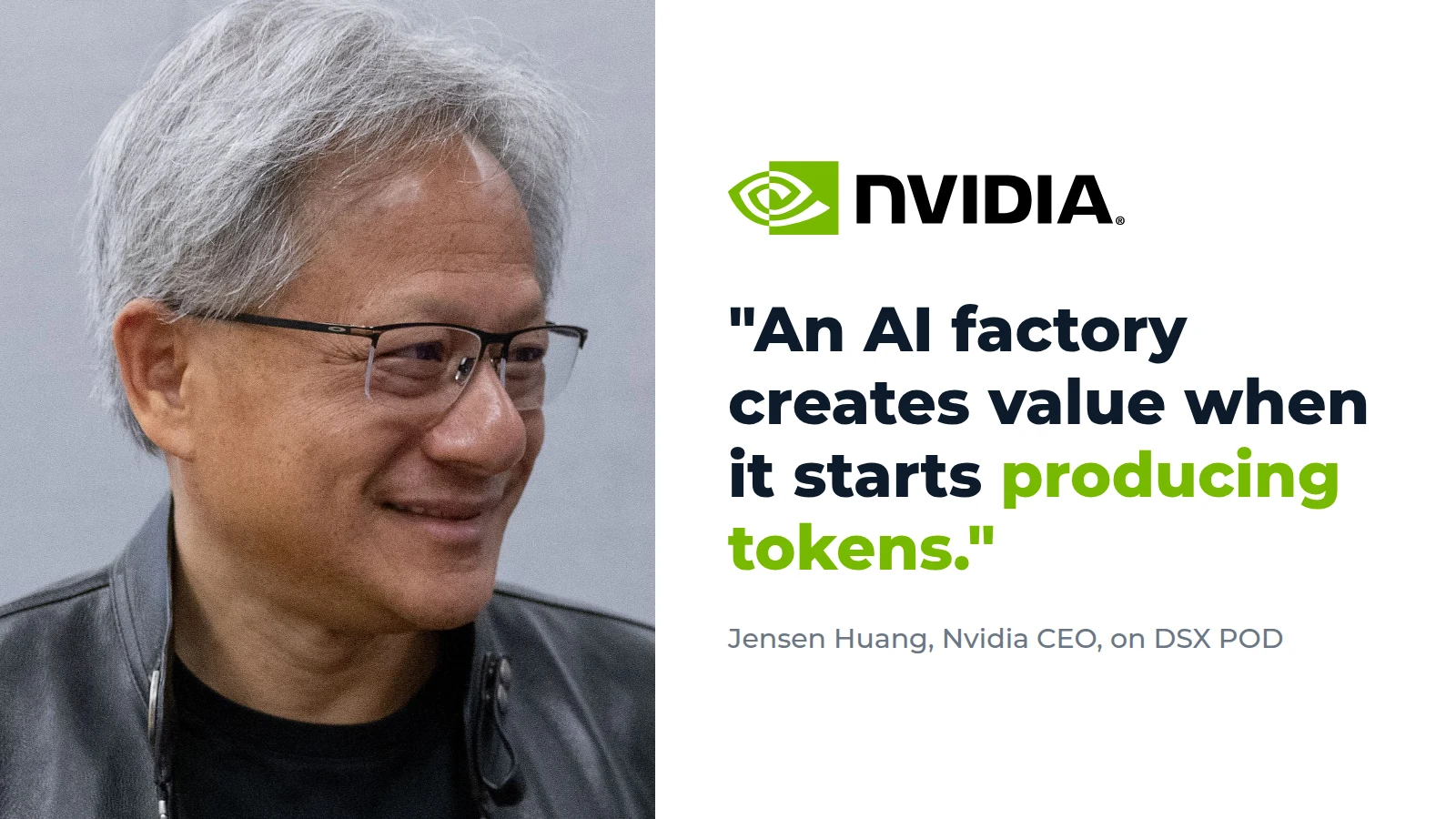
Nvidia (NVDA) says its new DSX POD AI factories can be deployed in as little as 14 days, down from six months
Huang said a three-month delay could postpone $10 billion in revenue. The keynote capped a week of startup deals across Europe.
Nokia (NOK) and SoftBank Corp. plan AI-RAN trial on a live Japanese network in 2027
The trial will run Nokia's software on Nvidia hardware under commercial traffic, but the companies gave no size, location, or price.
DeepSeek open-sources DeepInfer, the engine behind its low-cost AI service
The framework runs on Nvidia and Huawei chips, but DeepSeek held back two parts of its serving system.
Anthropic is reportedly in talks to buy another $45 billion of computing from Nvidia-backed Nscale
The deal would add a second building at Nscale's West Virginia campus. Nscale's IPO filing said the first one wasn't yet financed.
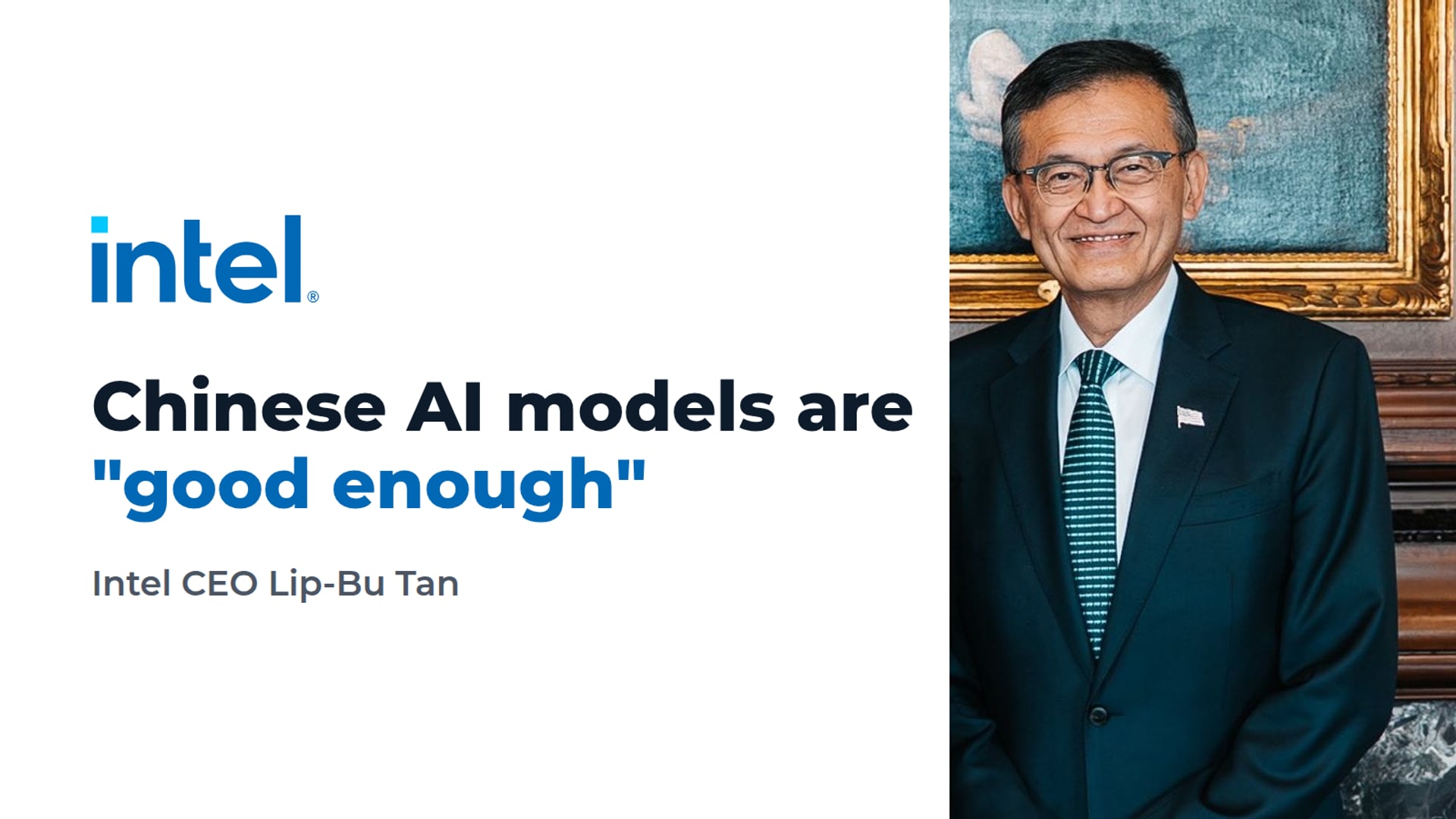
Intel (INTC) CEO Lip-Bu Tan reportedly sees Chinese chips as not far behind US technology
Tan also said the Trump administration has no policy to use its Intel stake to steer the company, and he calls Chinese AI models good enough.
Samsung (005930) will reportedly use TSMC (TSM) to make part of Nvidia's (NVDA) next memory chips
Nvidia asked all three of its HBM suppliers to switch to the same TSMC process. Samsung also has a backup plan if TSMC runs short.
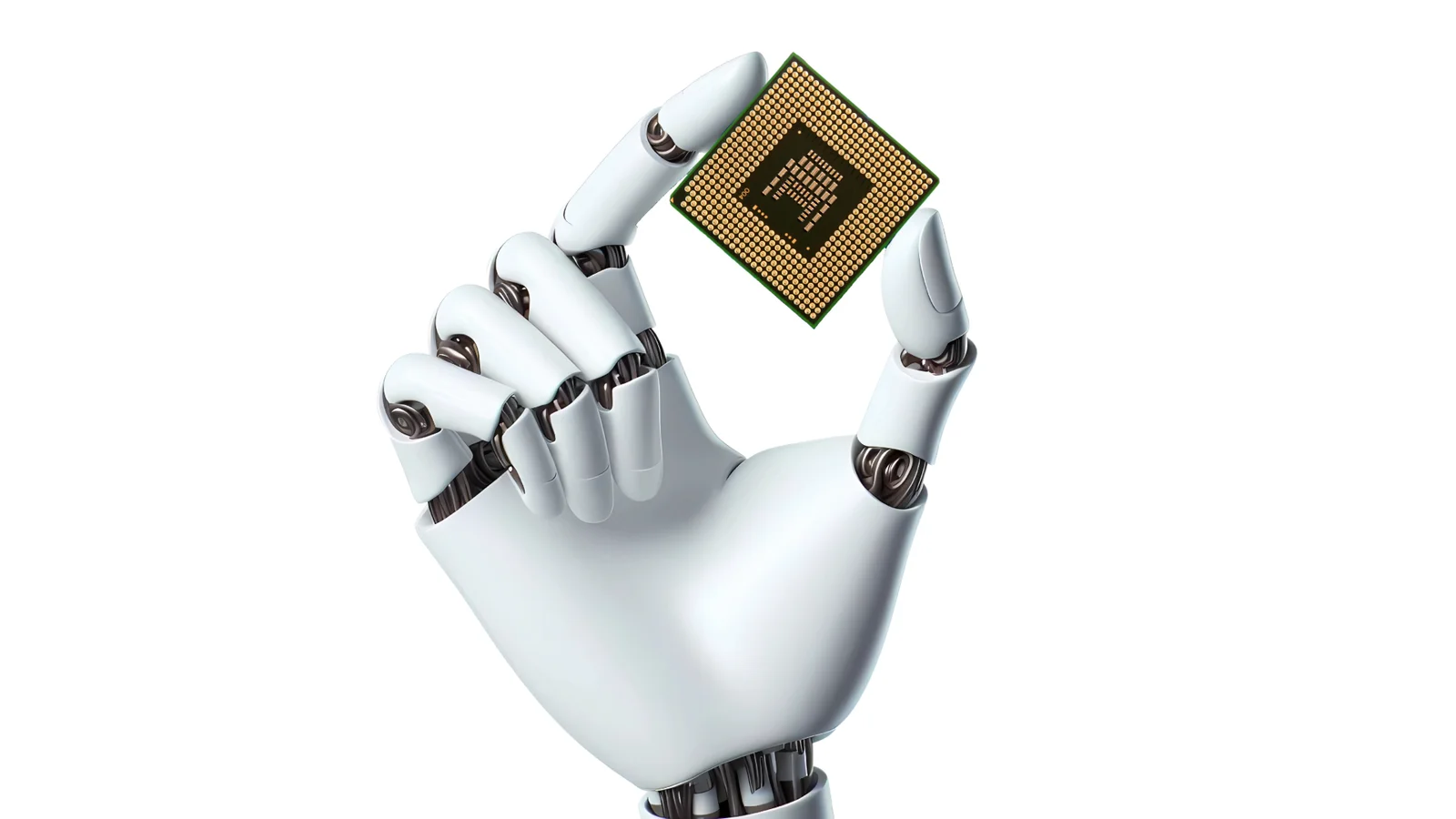
Intel (INTC) plans its Razor Lake-AX robot chip for 2028. It's aiming for about 700 TOPS.
An Intel executive gave the 2028 target at a humanoid robot chip conference in Seoul. The date lines up with Korean robot makers' production plans.
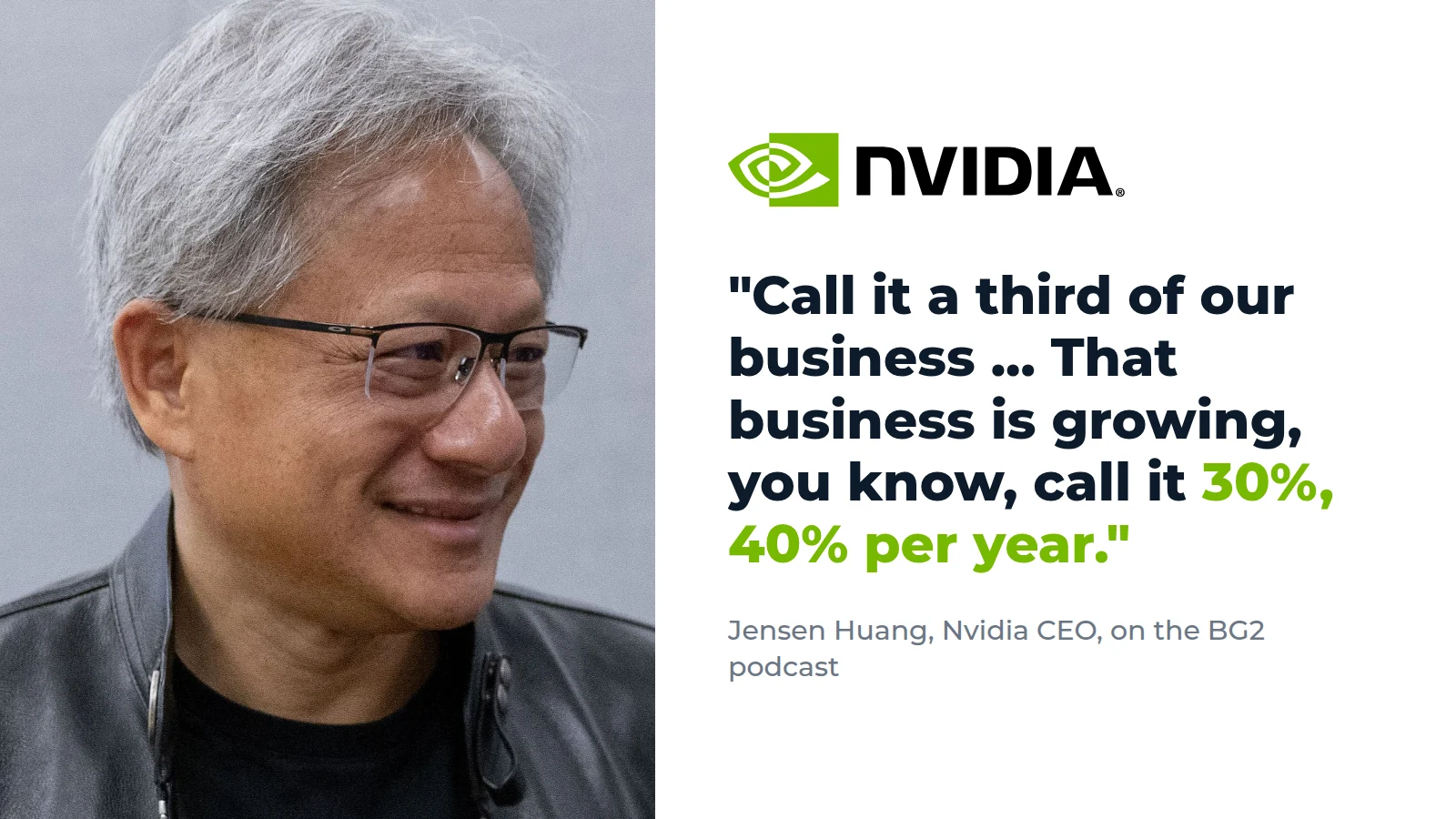
Nvidia (NVDA) CEO Jensen Huang says a third of its business grows 30% to 40% a year without AI labs
Huang put frontier labs at about a quarter of Nvidia's compute, while Nvidia's own filings show its customer mix shifting.
Chip stocks fell 8 straight days, longest since 2008. South Korea's finance minister sees growth through 2027
The Philadelphia chip index is nearly 24% below its June record. Seoul's top economic official points to a supply gap that hasn't closed.
Nasdaq posts worst week since June as memory stocks tumble. SpaceX, Tesla, and Meta report next week.
Micron lost 14.6% in a week that brought a Chinese memory launch, a hot inflation report, and two Elon Musk posts about RAM.
SemiAnalysis says Nvidia's (NVDA) GTC Berlin turned away neoclouds that added AMD and Google chips
The chip research firm says neocloud executives feel pressure to stay Nvidia-only. It didn't name the companies turned away.
Bank of America says Nvidia (NVDA), Broadcom (AVGO), and Micron (MU) already trade like post-crash Cisco
Chip stocks are down about 10% this week. Bank of America's chip analyst says the valuation reset already happened, while Wells Fargo's strategist leans toward software.
Nvidia (NVDA) and SpaceX (SPCX) are building a server for space. Musk targets volume production next year
Jensen Huang described the joint work on a podcast. Elon Musk answered on X with two words for Huang and a production target.
Taiwan plans up to $4 billion Texas park for suppliers to Nvidia (NVDA) and TSMC (TSM)
Taiwan's economy minister says the first U.S. park would be in Texas, with loan guarantees and help on visas and land. The ministry hasn't confirmed the site.
ByteDance is reportedly close to a deal to buy custom AI chips from MediaTek
The deal could make ByteDance MediaTek's second major customer for custom chips.
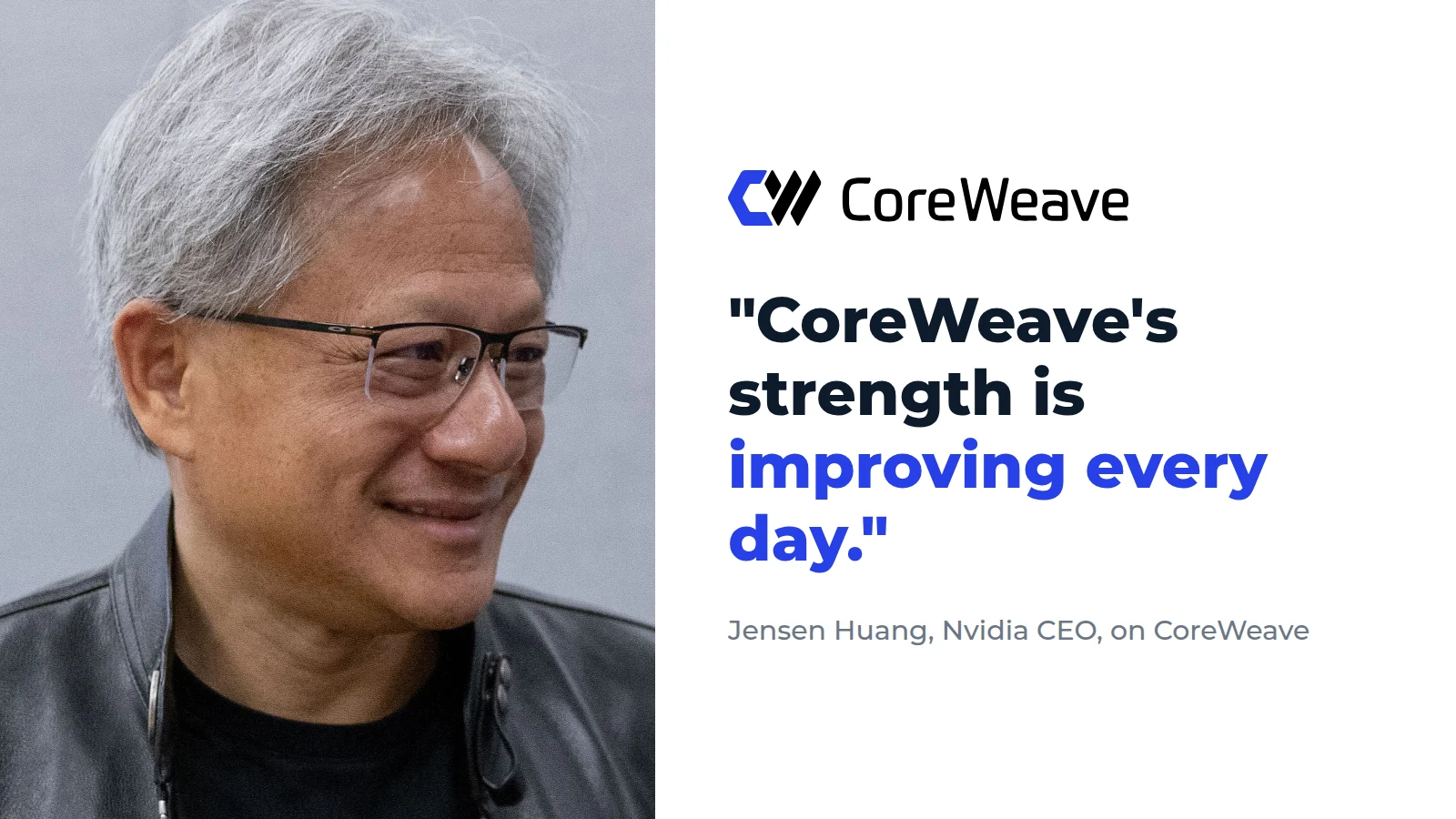
Nvidia (NVDA) CEO Huang sees no need to backstop CoreWeave (CRWV) as debt insurance costs hit a record
"I'm optimistic," Huang said, as CoreWeave's stock and bonds kept falling.
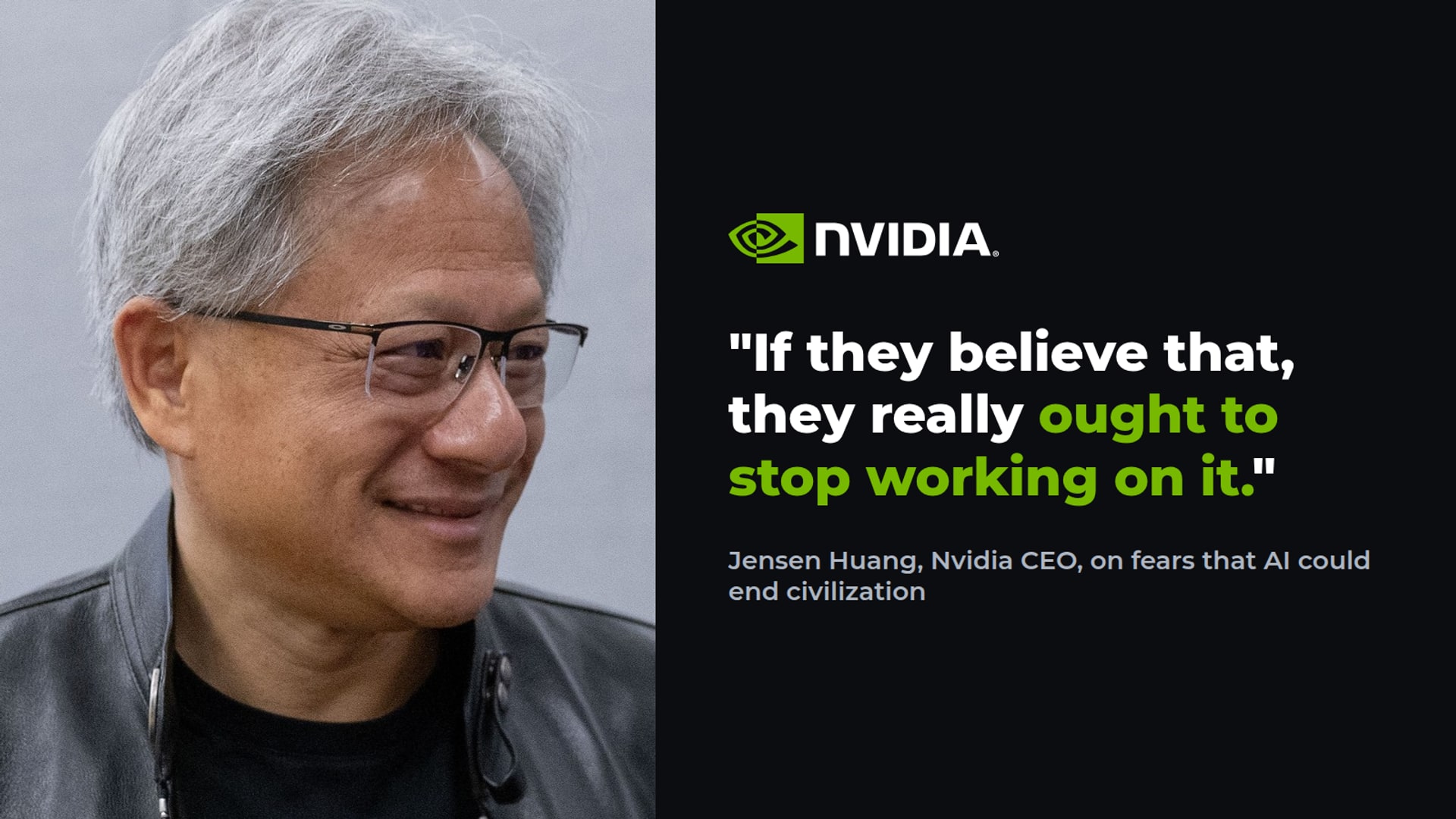
Nvidia (NVDA) CEO Jensen Huang says AI doom believers "ought to stop working on it." Unsafe customers could lose chip access.
Huang's two London interviews were published Wednesday. In one, he set a zero-tolerance bar for AI security incidents.

CoreWeave (CRWV) wants insurers' 'unlimited' money to fund its AI build-out as its bond yields near 15%
"If we stop building today, [we'd be] immensely cash-flow positive," its co-founder said.
Nvidia (NVDA) is investing in four French AI startups, including Doctolib, as Huang promises $2 billion in European deals
"Europe needs to get in the race," Jensen Huang said in Paris.
Bot Auto picks Lenovo and Nvidia (NVDA) for its driverless trucks, targeting $50,000 of hardware per truck
Bot Auto, the driverless-trucking startup run by TuSimple co-founder Xiaodi Hou, will put Lenovo's Nvidia-based AD1 computer in its trucks starting in early 2027.
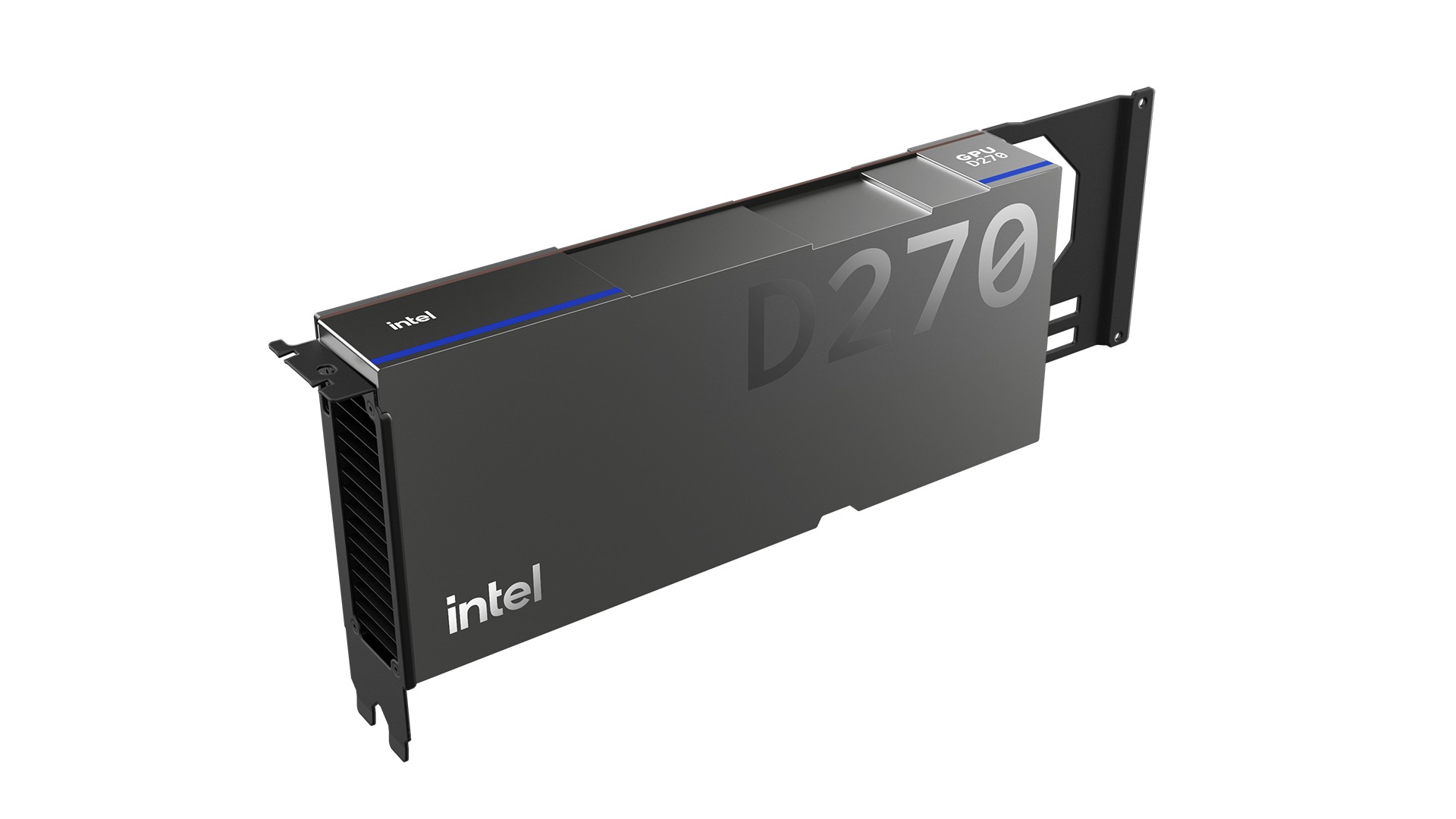
Intel (INTC) unveils D-Series AI inference card for existing data centers, with no liquid cooling required
Intel named its Crescent Island chip the Intel GPU D-Series and gave its specs: a stated peak of 1.3 petaflops of FP8, up to 480GB of memory, and 350 watts on air cooling.
Microsoft (MSFT) plans to run its AI products mainly on its own Maia chips starting in 2027
Microsoft expects its new Maia 300 to beat leading GPU systems on output per megawatt. Its cloud chief says Nvidia and AMD remain big partners.

Amazon (AMZN) reportedly in talks to buy AI startup Decart for around $7 billion, a month after Anthropic walked away
Amazon is reportedly in talks to buy Decart, a startup whose chip software already runs on Amazon's Trainium, about a month after Anthropic dropped its own pursuit.