Explainers
Evergreen guides to how the market actually works, from 13F filings to HBM memory.
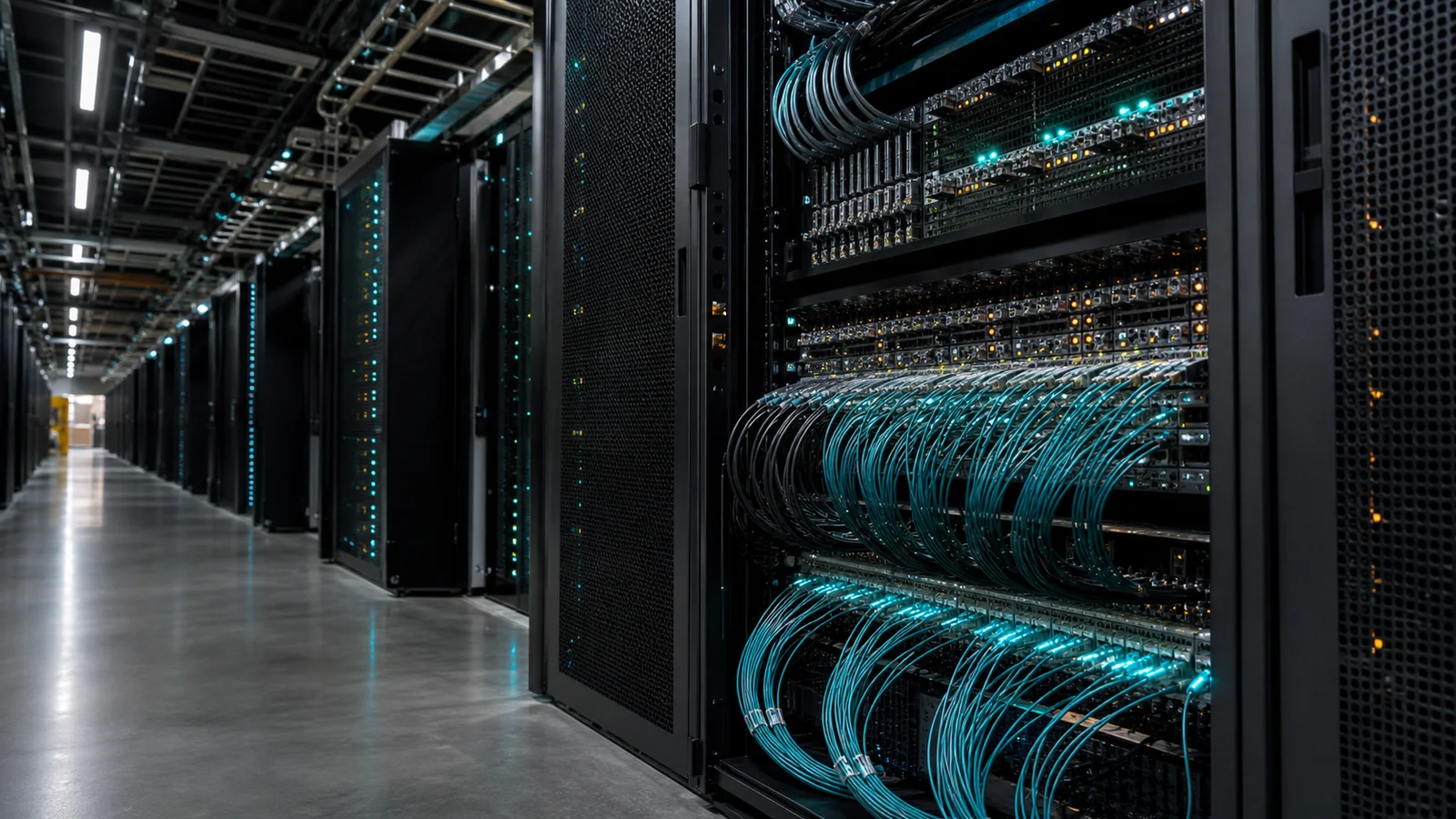
An AI model trains across 100,000 chips that all have to talk at once. The stocks that wire them: Arista (ANET), Broadcom (AVGO), Coherent (COHR) and Astera Labs (ALAB)
Tens of thousands of GPUs have to act like one machine, and the network that connects them is a fast-growing slice of every AI buildout. Here's what Arista, Broadcom, Marvell, the optics makers and Astera Labs each do.
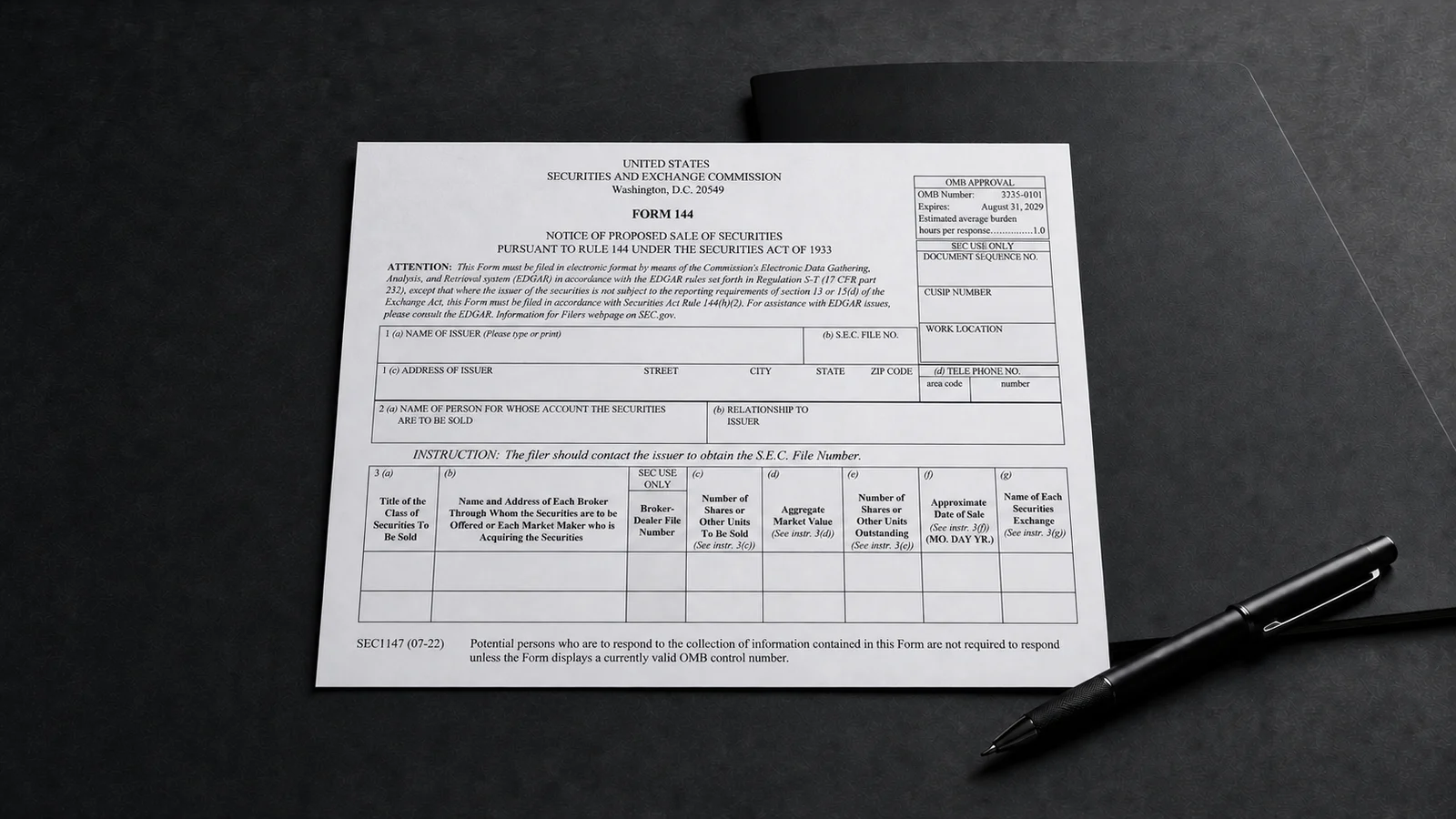
Kratos' CEO had to file notice of his $19 million KTOS sale. That filing is a Form 144.
Kratos CEO Eric DeMarco sold $19.3 million of KTOS stock last week, and a Form 144 flagged it the same day. Here is what that notice is, how it differs from a Form 4, and why a planned sale is not the warning it looks like.
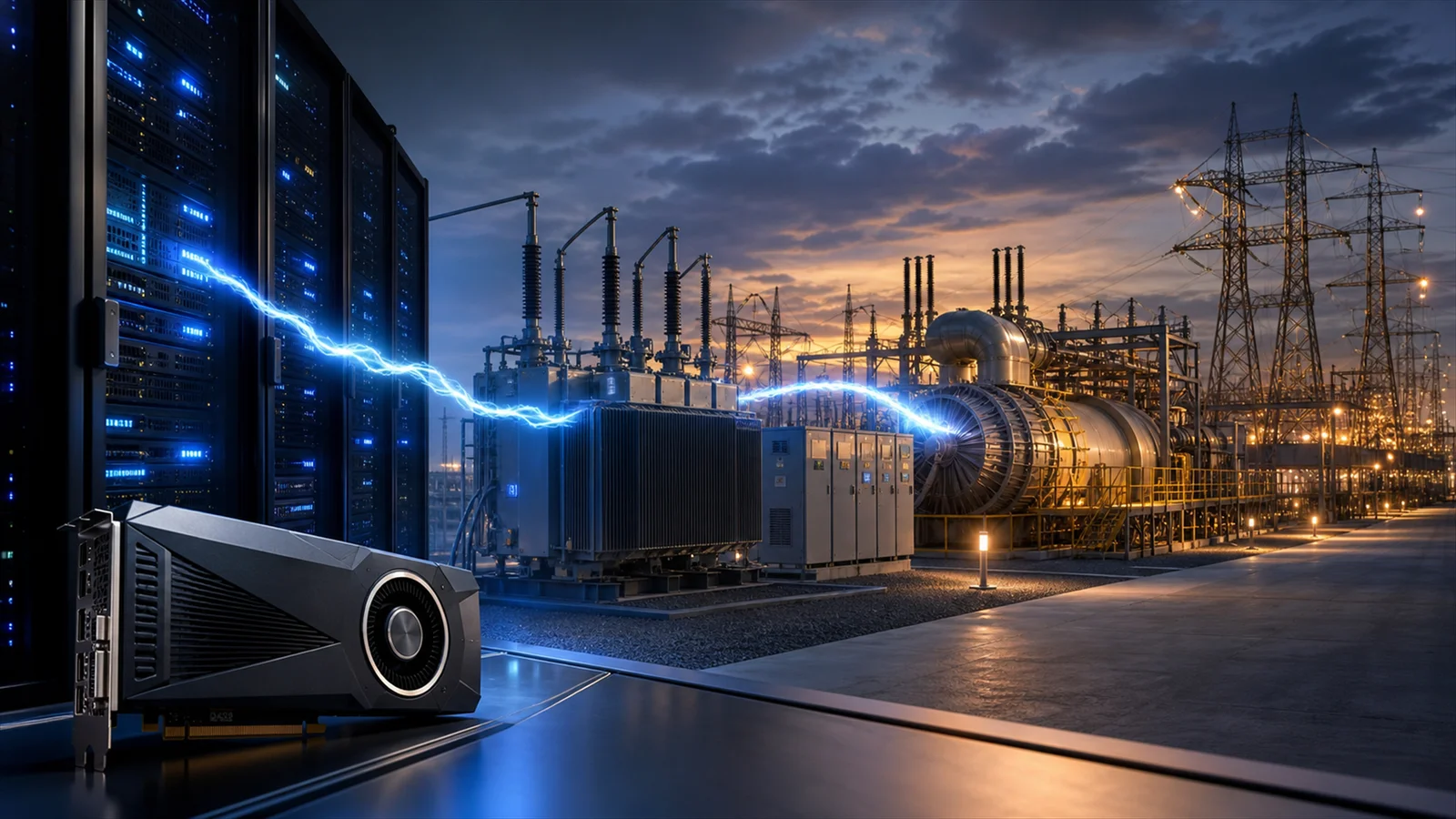
AI GPU arrives in weeks. The power gear behind it takes years: GE Vernova (GEV), Vertiv (VRT), Eaton (ETN), Quanta (PWR) and Powell (POWL)
The chip is the easy part. Data centers are stuck waiting on turbines, transformers and switchgear that take years to build. Here's what GE Vernova, Vertiv, Eaton, Quanta and Powell each sell into that shortage, and how big their order books have gotten.
The oddest stock in Trump's portfolio is Korean: 18 Coupang (CPNG) trades as Washington challenged Seoul
Trump's disclosures show 18 Coupang (CPNG) trades across two accounts in eight months, the biggest of them landing while his own administration was accusing Seoul of persecuting the company.
How to track what Congress, Hedge Funds and Insiders are buying and selling.
Congress, hedge funds and company insiders all have to disclose their trades. Here is where each one files, what the timing means, and where to watch all three live.

Unitree's $1.2 trillion IPO frenzy says China is winning the robot race. Here's the US stock trying to catch up (CCXI)
China's Unitree IPO was oversubscribed 8,288 times and the US is behind, so the money will come. Agility Robotics (CCXI) is the highest-upside US humanoid play, and here's how to weigh it against TSLA, NVDA and TER.
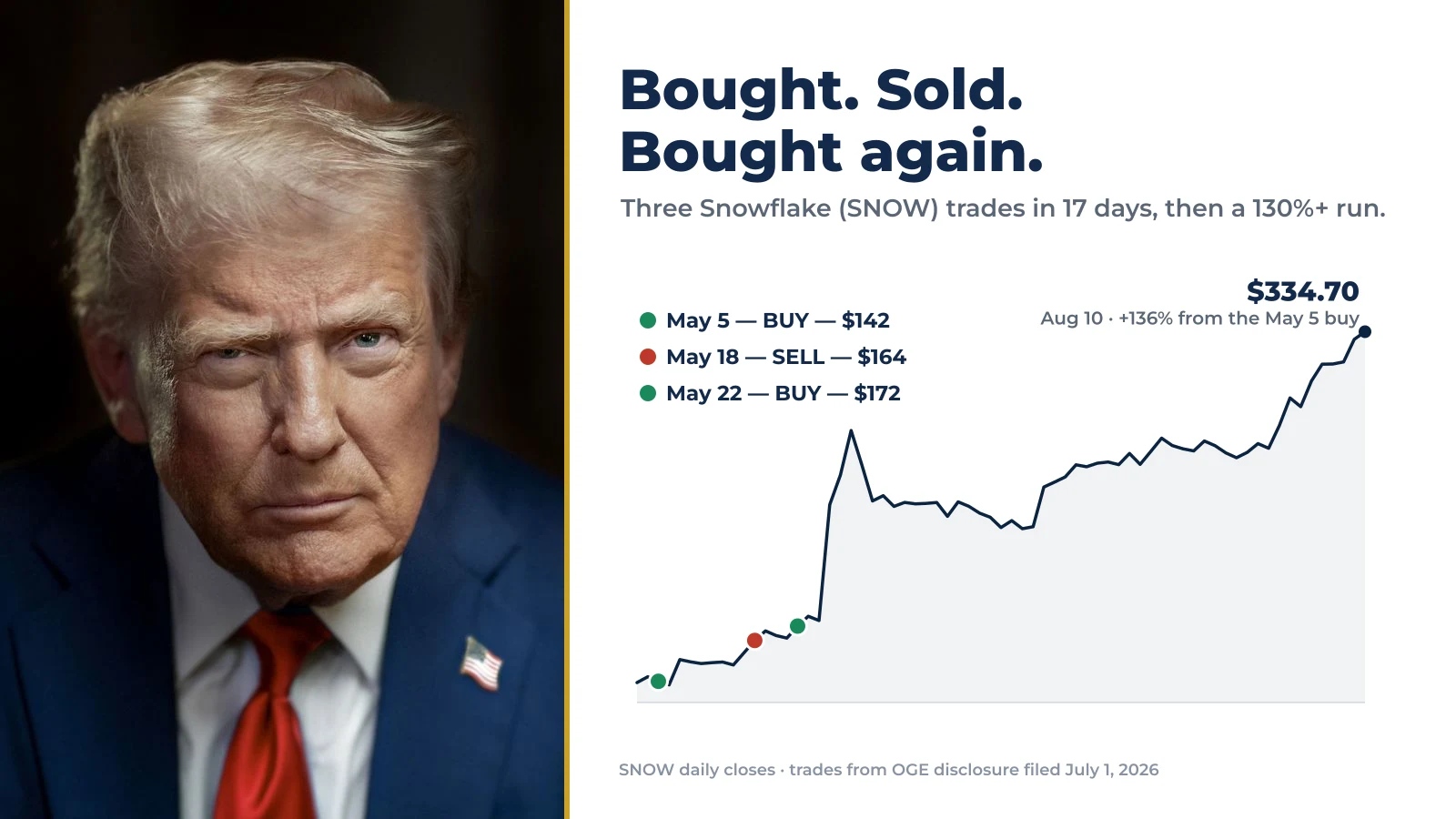
President Donald Trump bought Snowflake (SNOW) before it doubled. The filing tells a different story.
President Trump's disclosure shows three Snowflake (SNOW) trades in 17 days: a buy, a sell, and a buy. Walking the full record, rather than a single-line alert, shows why the round trip points to an automated model, not an insider bet.
Max your 401k match, Roth IRA and HSA before you touch a single stock. Index funds come next, individual stocks come last.
The order I'd actually go in: 401k match, then Roth IRA and HSA, then a broad index fund (or X Money if you want zero market risk), then mega-caps and dividend ETFs, then single stocks last.
How to buy Sivers Semiconductors stock (SIVEF) from the US, and the broker that won't sell it to you
SIVEF is Sivers Semiconductors' ticker for US brokerage accounts, but Robinhood doesn't carry it. Here is which brokers do, how the OTC price compares to the Stockholm shares, and the silver ETF ticker easy to mix it up with.
Kioxia is the memory chip maker that passed Toyota as Japan's most valuable company, then fell 66%. Here's who owns it
Kioxia is the former Toshiba Memory, and it makes NAND flash and nothing else. Toshiba still holds 15.10% and keeps selling, an SK Hynix (SKHY) vehicle holds 14%, and Sandisk (SNDK) co-owns the factories. What the company makes, who owns it, and how a US investor can reach it.

What is a pod shop? Millennium didn't buy your stock. One of its 340 teams did.
Citadel's last quarterly filing listed 16,127 positions. Millennium runs more than 340 separate investment teams and Point72 more than 200, which changes what a hedge fund stake in your stock actually means. Updated with the June 2026 filings.
SK Hynix (SKHY) sells the memory in Nvidia's (NVDA) Rubin racks. SK Group is committing $1.44T USD to the chips and data centers around them.
Nvidia and SK Hynix signed a multiyear memory partnership with no dollar figure attached. SK Group then committed 2,100 trillion won ($1.44T USD) to chip capacity and 15 gigawatts of AI data centers, built on Nvidia's Vera Rubin reference design. Nvidia put $1 billion into Naver on July 24. Here is what each side actually committed, and what is funded versus announced.
Nvidia (NVDA) and Microsoft (MSFT) don't just sell OpenAI chips and cloud time. They also fund the bill.
Nvidia, Microsoft, and Amazon own pieces of OpenAI while selling it chips and cloud time, and Oracle, Broadcom, AMD, and CoreWeave have billions riding on its contracts. How the money loops, and where it's already showing strain.
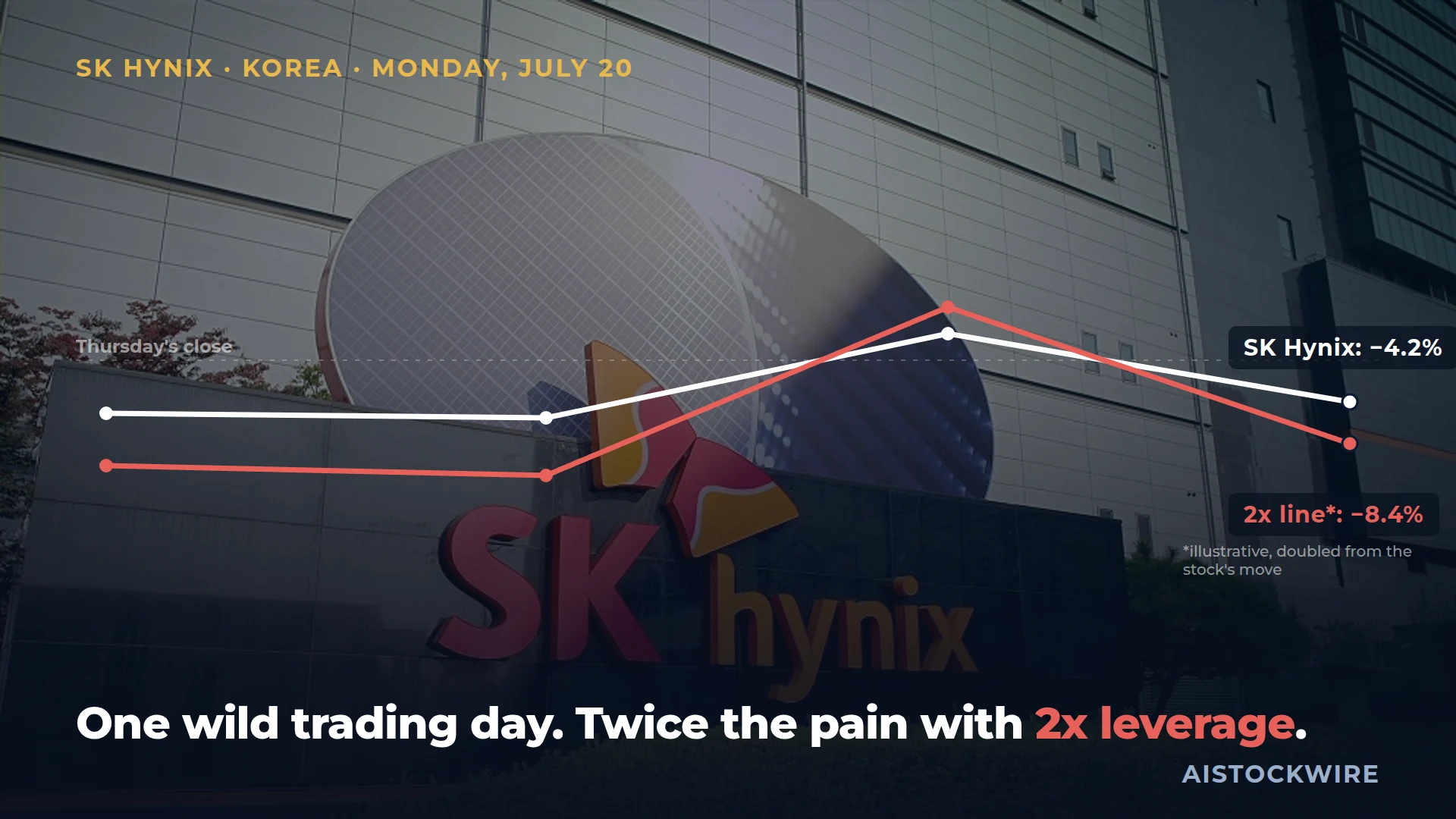
SK Hynix in Korea moved from down 5.8% to up 2.7% to down 4.2%. Here is why a leveraged bet on that day would have hurt even more
SK Hynix's Korea-listed shares and the Kospi moved through a huge range and still closed down more than 4% on Monday. Here is the math on why a 2x leveraged position on a day like that is more dangerous than it looks, even after a partial recovery.
An executive can schedule a stock sale 120 days before they even know what's coming
Ontrak's former CEO went to prison for misusing a 10b5-1 trading plan, the same legal tool that lets most executives schedule stock sales months in advance. Here's how the plan is supposed to work, why the SEC tightened it in 2022, and how to tell a real scheduled sale from one that wasn't.
RoboStrategy (BOT) holds pieces of Figure AI and Apptronik. It just registered shares tied to a $2 billion stock deal, eight times its own size.
RoboStrategy trades on Nasdaq as BOT and holds private stakes in Figure AI, Apptronik and 12 other robotics startups. Two months after its IPO, it can now sell $2 billion in new shares, about eight times the fund's current size. Here's how the deal works and what it means for existing shareholders.
Korea-listed Samsung and SK Hynix ETFs are built to sell when the market drops. That is why the Kospi keeps crashing at the close.
A 2x leveraged ETF is designed to sell more every time its stock falls, and it does this near the market close. When the stock is Samsung or SK Hynix, each of which is a huge share of the Kospi, that automatic selling drags down the whole index. Here is how single-stock leverage ETFs have been quietly amplifying Korea's crashes.

Only about 10 members of Congress use a blind trust. Here's why almost nobody bothers.
A blind trust sounds like the simple fix for a lawmaker owning stock while writing the laws that move it. Only about 10 sitting members of Congress actually have one. Here is what a real blind trust requires, why so few bother, and whether it even does what people think it does.

Should you actually copy stocks bought by hedge funds, Congress, or insiders? What the data really says
Copying stocks bought by Congress, hedge funds, and company insiders all sound like easy shortcuts. Here's what the actual research says happens once you try each one, and why the delay before you see the trade matters more than people think.

Bitcoin miners are becoming AI landlords. Here's how far each one has actually gotten.
Eight bitcoin miners are pitching the same AI pivot, but they're nowhere near equally far along. IREN, TeraWulf and Core Scientific now earn more from AI than from mining. Hut 8, Cipher and Applied Digital have tens of billions in signed leases that haven't started billing. CleanSpark, the last to sign, now has Meta as its tenant. Updated September 20, 2026.
Why KOSPI moves so violently: two chip stocks, half the market, and 10x leverage
Samsung and SK Hynix are now nearly half of KOSPI, single stocks can move 30% in a day, and Korean retail investors trade with leverage tools that go up to 10 times their money. Here is how those three things combine into one of the world's most violent stock markets.
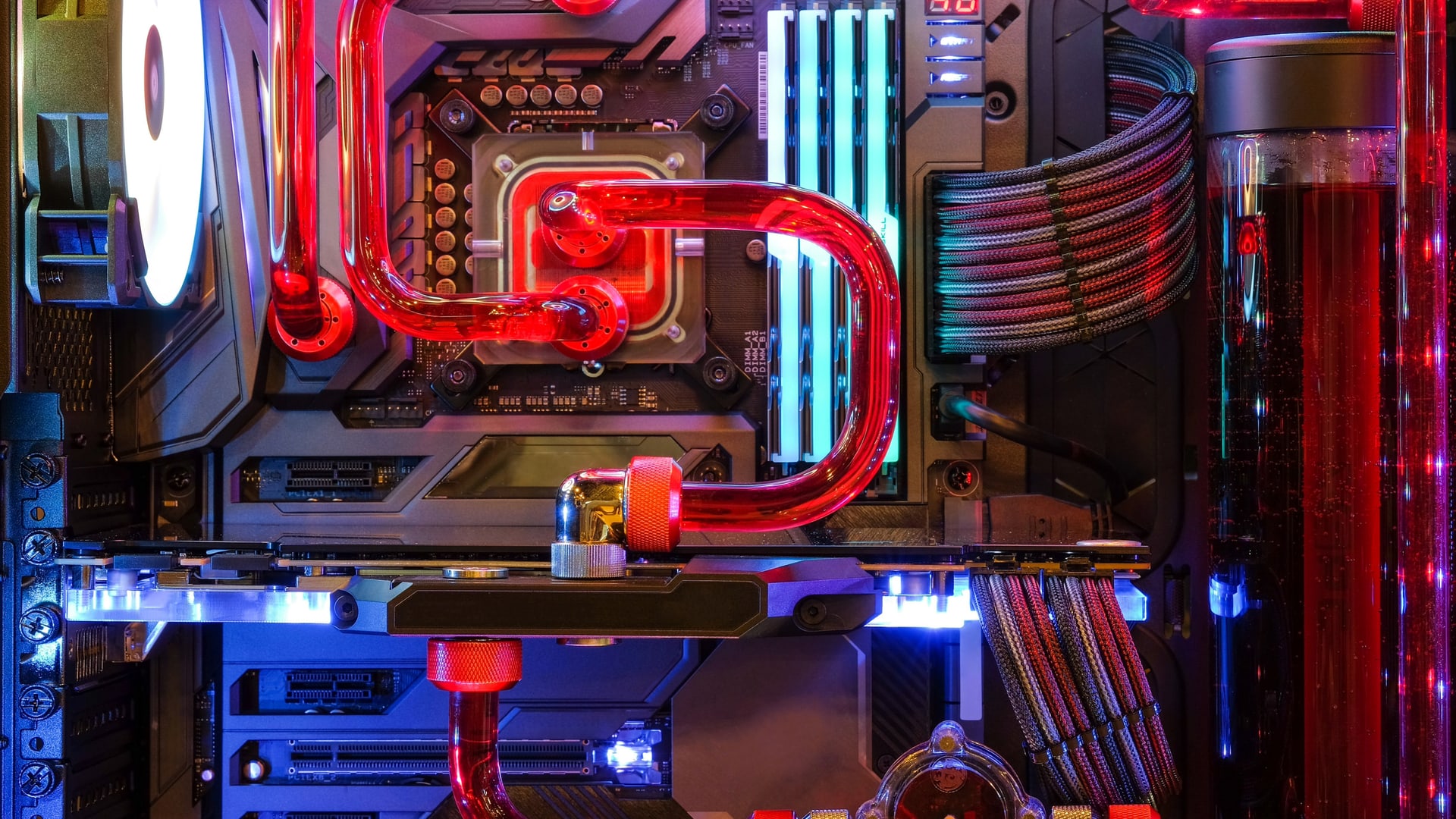
Inside the AI hardware stack, from Nvidia's chips to the grid that powers them
An AI data center is seven layers of hardware: GPUs, memory, storage, CPUs, networking, manufacturing, and power. Here's the full map, with the public companies behind each layer and where the bottlenecks actually are.

What is a 13D filing? Why investor stakes keep landing at 19.9%, not 20%
Schedule 13D and Schedule 13G both mean an investor crossed 5% of a company. The form they choose signals what they plan to do next, and it explains why big stakes keep landing at exactly 19.9%.
The government is banking on drones becoming the future of warfare. The stocks got crushed anyway
Ukraine is fighting with cheap, disposable drones and the Pentagon wants nearly $75 billion for unmanned systems next year. AeroVironment, Kratos, Red Cat, Ondas, Unusual Machines, and AIRO are all down 45% to 65% anyway. Here's why.