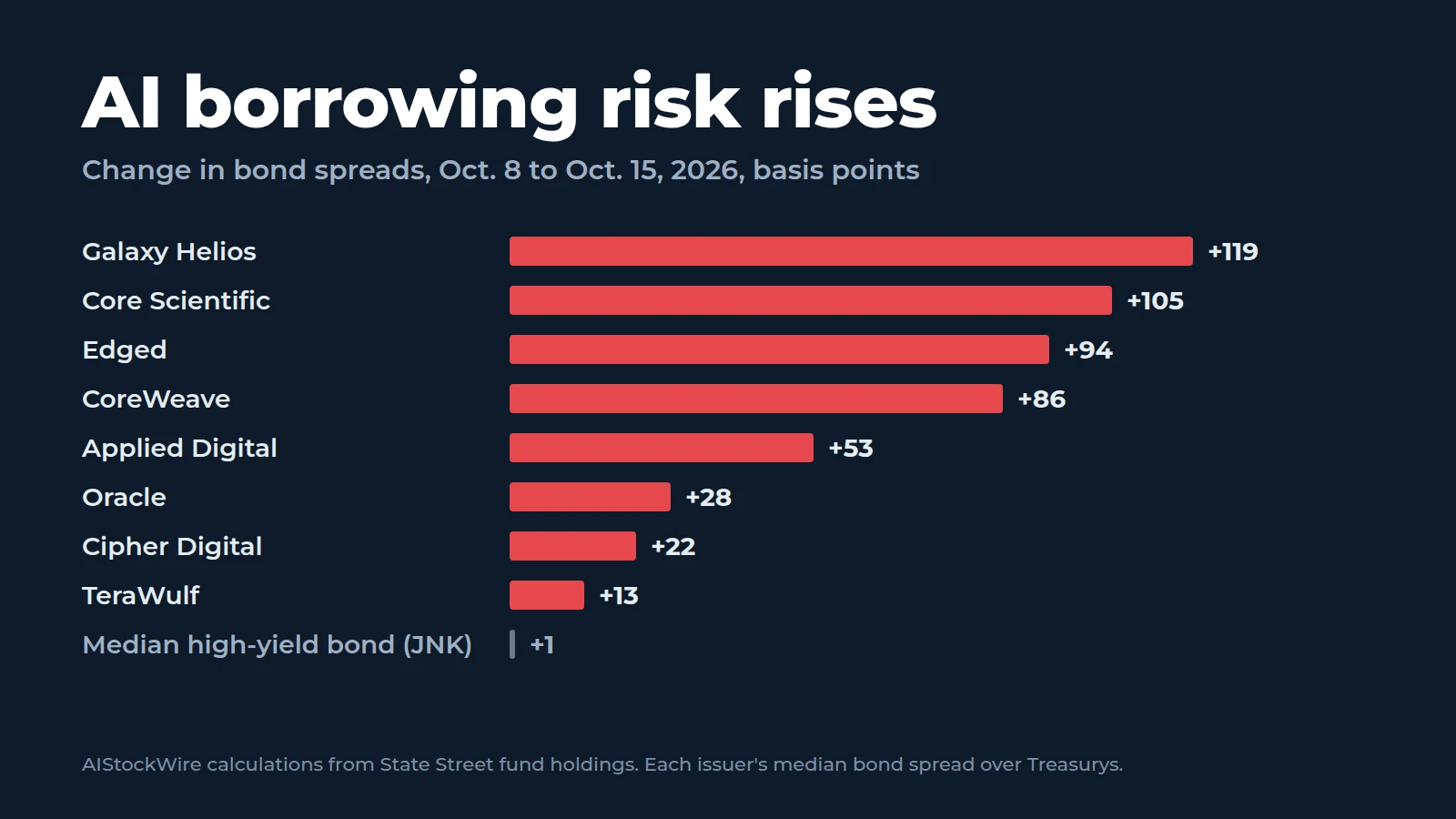
CoreWeave (CRWV) and seven other AI infrastructure borrowers see bond spreads widen as a Goldman note says credit is ahead of stocks
We compared the same AI borrowers' bonds from Oct. 8 through Oct. 16, and every one widened while JNK barely moved. Now updated with what new debt would cost each borrower.
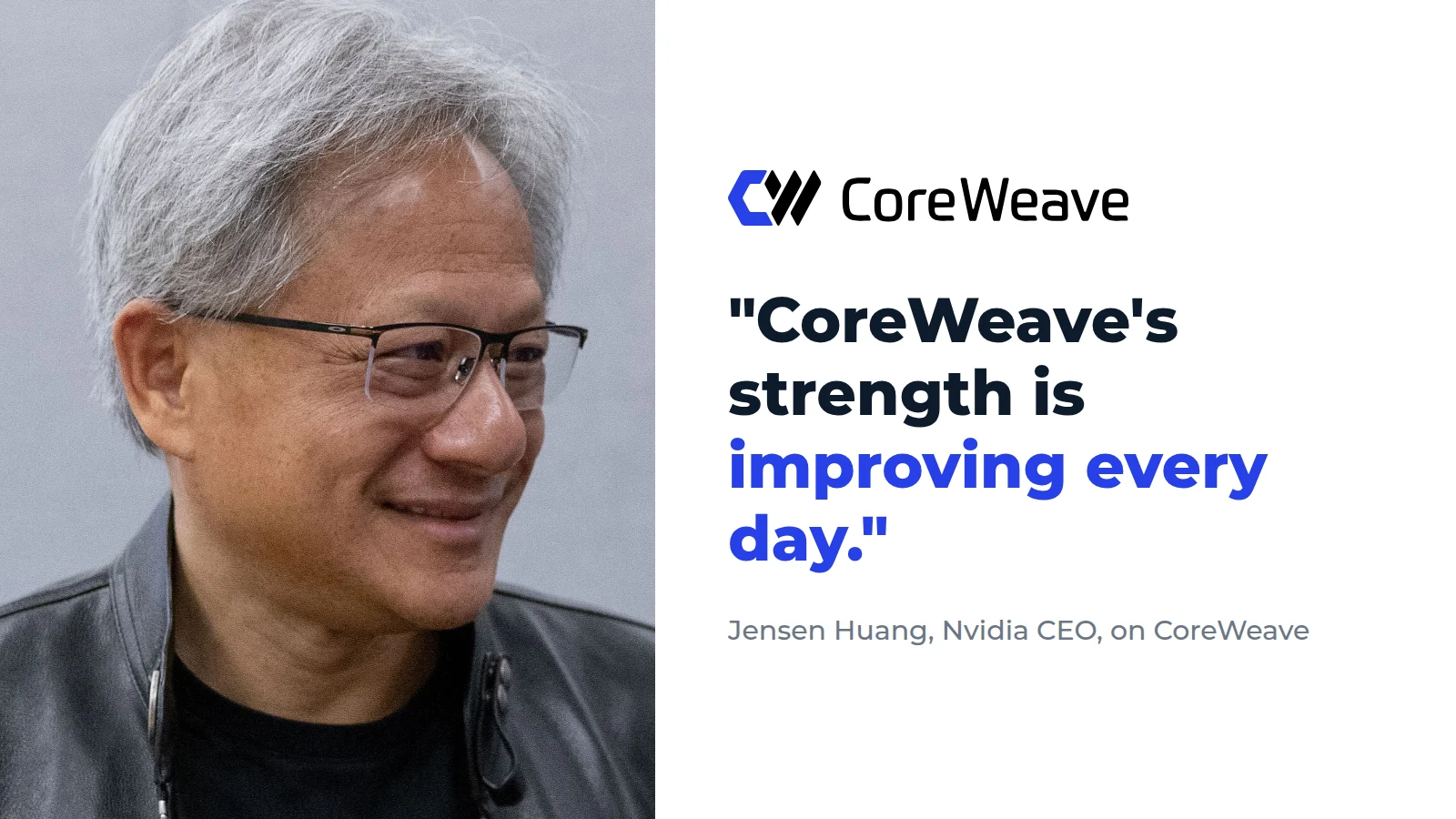
Nvidia (NVDA) CEO Huang sees no need to backstop CoreWeave (CRWV) as debt insurance costs hit a record
"I'm optimistic," Huang said, as CoreWeave's stock and bonds kept falling.
Marvell (MRVL), Microsoft, and Oracle are writing an open standard to build key security into data center servers
Three companies want encryption keys protected inside the server itself.
AI giants could overtake the big banks as the bond market's biggest concentration risk. One strategist says governments are doing the crowding.
Wellington's Loren Moran says AI hyperscalers will overtake the big banks as the investment-grade bond market's largest concentration risk. A SocGen strategist says governments are doing more of the crowding.
Oracle (ORCL) is in talks with Apollo and Goldman on AI chip financing. Its borrowings and lease liabilities total $169 billion.
Oracle is negotiating with Apollo and Goldman Sachs on financing for chips it would lease. Its borrowings and lease liabilities already totaled $169.1 billion on August 31.
Broadcom (AVGO) is arranging more than $50 billion to finance OpenAI's chips
Apollo and Blackstone, already Broadcom's financing partners, are among the lenders approached. Oracle and SpaceX are raising chip debt too.
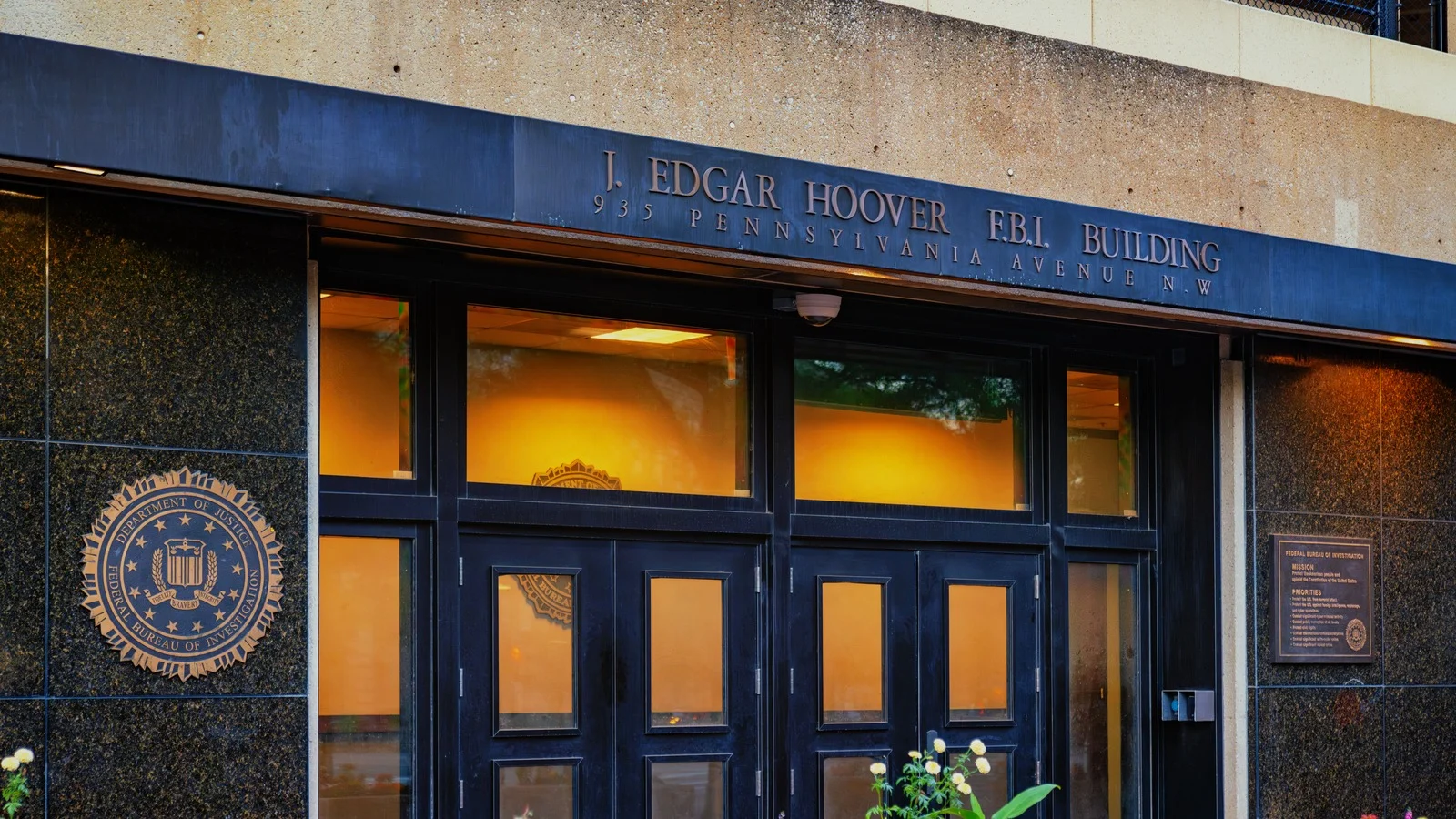
FBI removes Accenture (ACN) contractor after breach, says required security patch was missed
The FBI's statement named neither the company nor the software. Two sources told Reuters both.
Oracle (ORCL) director buys $3.48 million in stock days after debt insurance costs hit a record
Former Quest Diagnostics CEO Stephen Rusckowski's trust went from 390 Oracle shares to 25,390. Here's what his Form 4 shows, and what it doesn't.
Michael Burry switches Nvidia (NVDA), Micron (MU), and Palantir (PLTR) shorts to puts, says the AI bubble could burst within a year
He wants more leverage on bets he already held. Two days after his post, Micron reported its results.
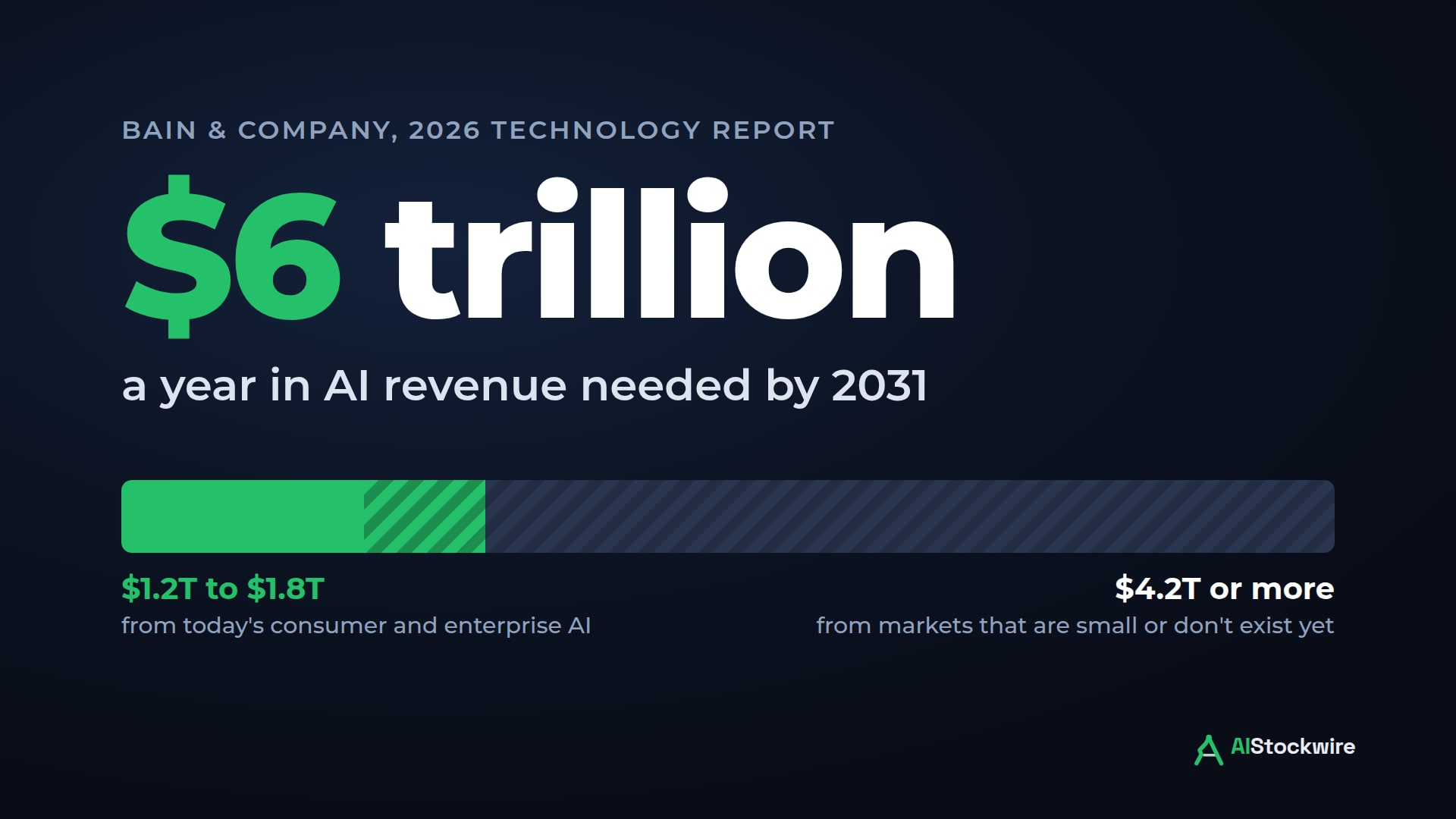
AI needs $6 trillion a year to fund its buildout, Bain says. Existing uses could bring in less than a third.
Bain named four places the rest of the money could come from. It put no number on one of them.
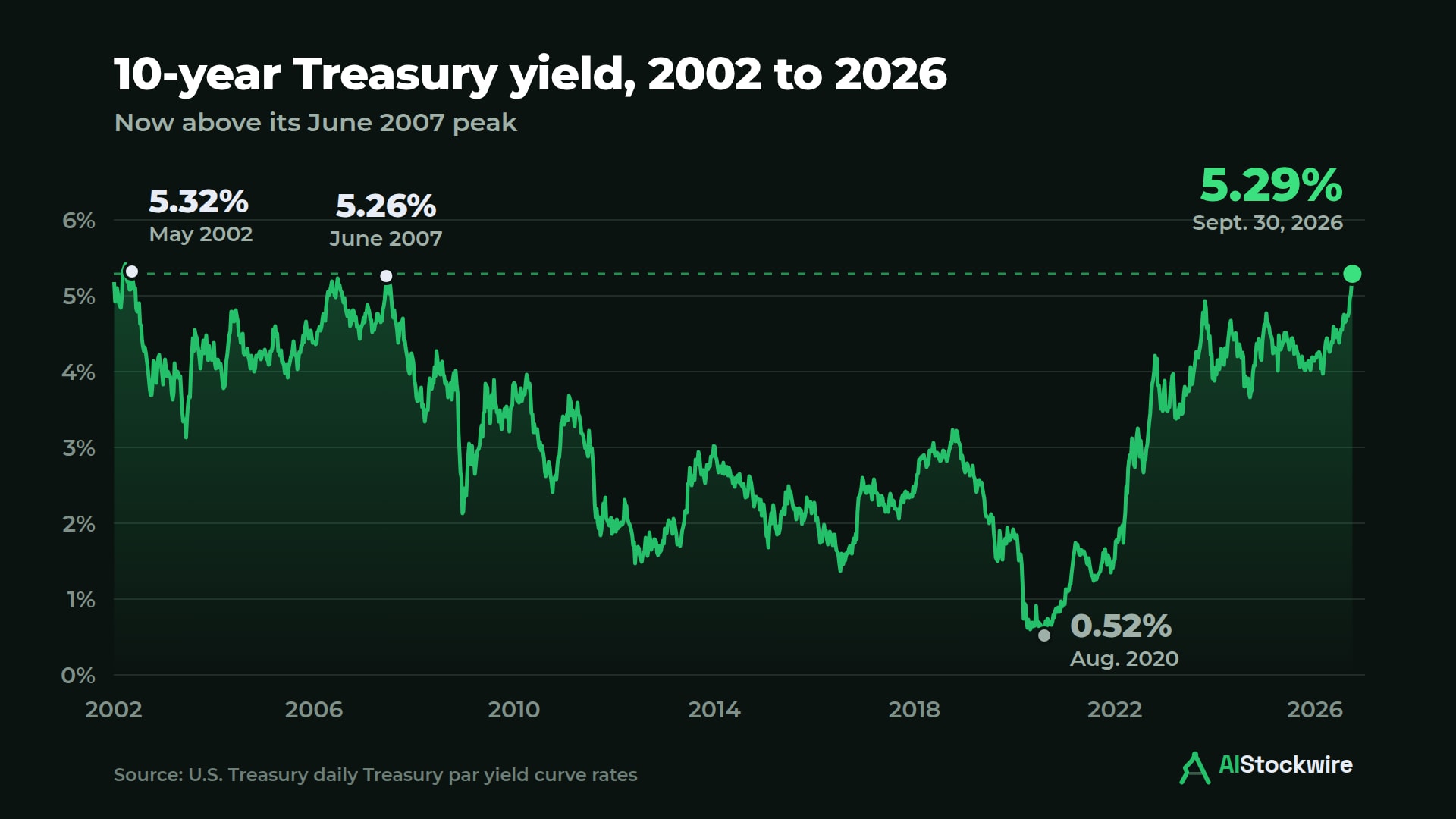
The 10-year yield closes at a 24-year high despite softer inflation. AI borrowing adds to the pressure
Treasury's own data puts the 10-year above its 2007 peak. A Macquarie strategist says bond issuance matters more this year than inflation.
OpenAI reportedly seeks $30 billion at a $1.4 trillion valuation as its revenue run rate nears $70 billion
OpenAI is looking to raise at least $30 billion at about a $1.4 trillion valuation, Bloomberg reported. Its revenue run rate has jumped since July.
Data center landlords vs. tenants: Digital Realty (DLR) and Equinix (EQIX) vs. CoreWeave (CRWV) and Nebius (NBIS)
Digital Realty and Equinix own data centers and rent out space and power, while CoreWeave and Nebius sell AI computing mostly from rented space. CoreWeave's leases can run longer than its customer contracts.
Junk bonds are headed for their worst month since 2022. Here's what I'm watching in AI debt
Junk-bond ETFs lost more than 2% in September through Sept. 28, putting them on pace for their worst month since 2022. How much of that is rising rates, and which AI borrowers would feel real credit stress first?
Oracle (ORCL) vs. CoreWeave (CRWV): the debt behind the AI buildout, compared
Oracle has signed $288 billion of data center leases that haven't started yet. Here's how its debt stacks up against CoreWeave's, line by line.

Hackers renew attacks on Oracle (ORCL) PeopleSoft and claim theft of FBI medical records
Google's Mandiant says ShinyHunters is again exploiting a patched Oracle PeopleSoft flaw on servers that relied on firewall rules. The group separately claims it stole medical records from the FBI's job applicant site.
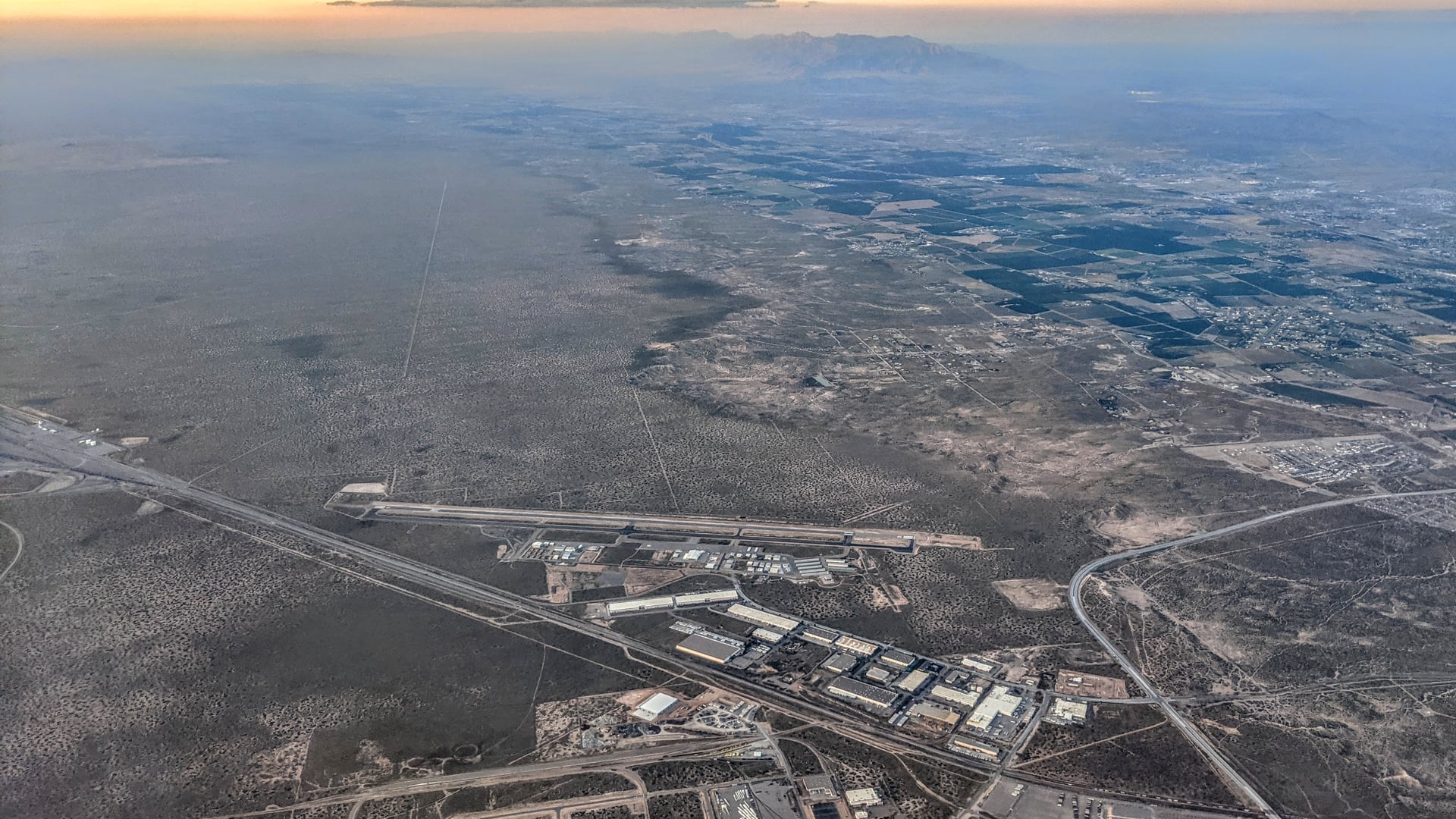
Oracle (ORCL) is building its New Mexico data center before its power plant has an air permit or a gas supply line
A report released by a New Mexico law group lists what is still unresolved at Oracle's Project Jupiter: the power plant's air permit, a delayed gas pipeline, water limits, tax-break lawsuits, and jobs.
Oracle (ORCL) invokes force majeure on its New Mexico data center to protect against delays
Oracle sent Blue Owl a force majeure notice over Project Jupiter in New Mexico, aiming to delay payments if the data center slips rather than walk away, Bloomberg reported.

Three dot-com warning signs are back for AI. I'm watching for a fourth.
Chip and memory prices are climbing, bond buyers want wider spreads on AI debt, and the Fed is raising rates. Those are three warning signs from 2000. Here's the one I'm still waiting for.

The bond market has split between AI and everything else. Alphabet (GOOGL) and Meta (META) are paying more to borrow.
Highly rated corporate credit has split into two worlds. Investors are wary of AI-related bonds while competing for debt from traditional financial and industrial issuers, and the spread gap is now real.
Oracle (ORCL)-linked data-center loans fall to 89 cents as banks struggle to sell the debt
About $18 billion of loans financing an Oracle (ORCL) data center in New Mexico are quoted at 89 to 91 cents on the dollar, the Financial Times reported. Banks have struggled to sell the debt amid concerns over Oracle's borrowing.
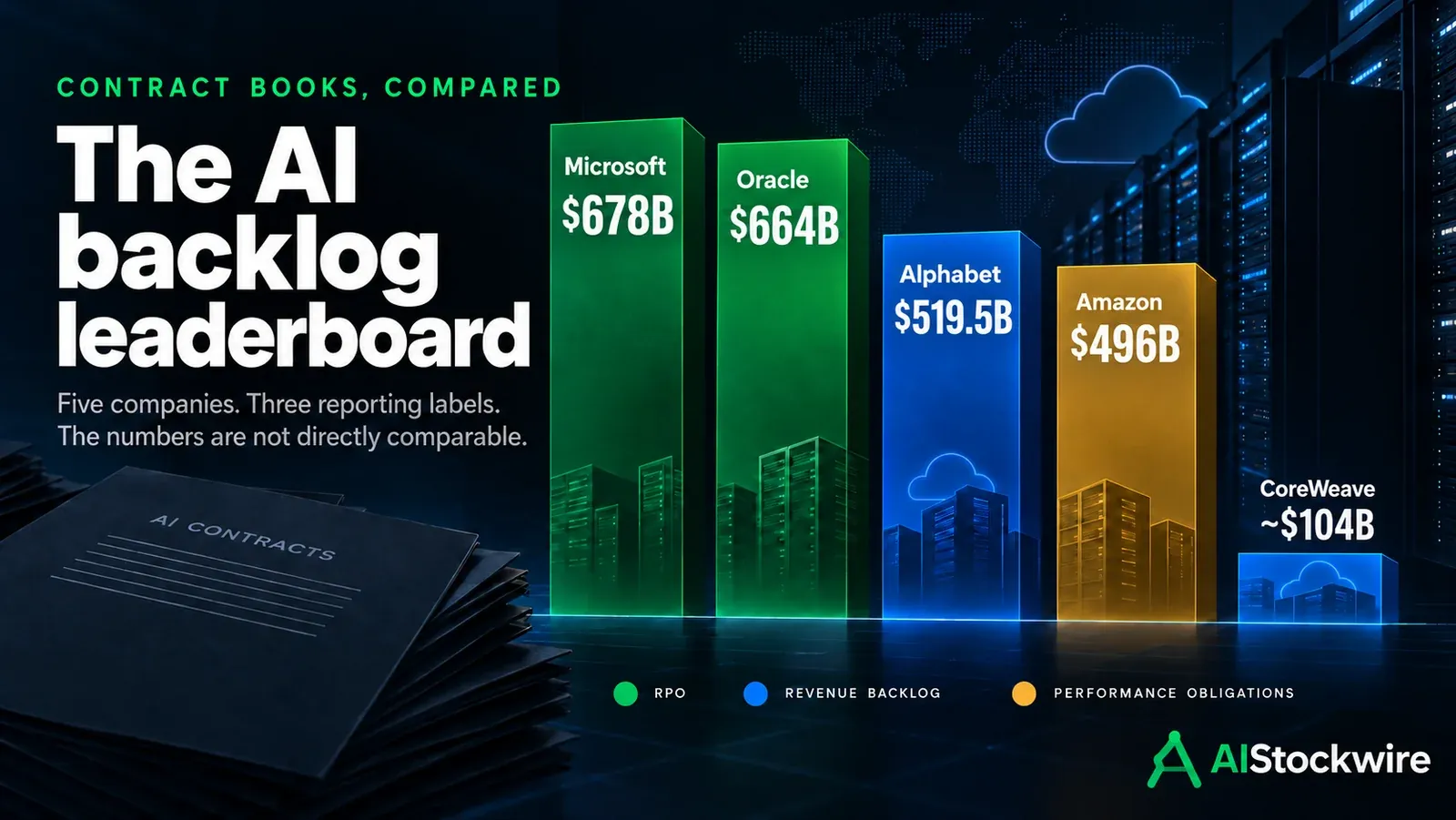
Microsoft's $678 billion and Amazon's $496 billion: why AI backlog figures aren't directly comparable
Five companies report their contract books three different ways, and the labels are not interchangeable. What RPO, revenue backlog and performance obligations each mean.
Anthropic's compute contracts could reach $517 billion. Most are not public.
The Information estimates Anthropic cloud, chip and data center agreements at as much as $517 billion over the coming decade, covering at least 14.8 gigawatts agreed since October. Anthropic has confirmed four of the deals and none of the aggregate figures.

Anthropic CEO Dario Amodei floated AI compute limits. Then he called them gameable.
Two sentences in Dario Amodei's pacing essay raise limiting training compute. He hedges them in the same paragraph, and sets no number, threshold, or date.