
Microsoft (MSFT) is testing Moonshot's Kimi K3 for Copilot to cut its Azure AI bill by $600 million
Microsoft is testing Moonshot's Kimi K3 for Azure and Copilot, hoping to cut AI costs by $600 million, the same week the model's launch gave chip stocks a rough ride and its maker began prepping a $30 billion Hong Kong IPO.
Nvidia (NVDA) and Microsoft (MSFT) don't just sell OpenAI chips and cloud time. They also fund the bill.
Nvidia, Microsoft, and Amazon own pieces of OpenAI while selling it chips and cloud time, and Oracle, Broadcom, AMD, and CoreWeave have billions riding on its contracts. How the money loops, and where it's already showing strain.

I gave five AIs a pretend $10,000 to pick 5 tech stocks. Four bought Nvidia (NVDA). Claude went rogue.
ChatGPT, Gemini, Grok, Meta AI and Claude each picked five tech stocks to hold for six months. Four bought Nvidia. Claude went the other way. Every pick is here and the scoreboard runs monthly.

China's Xi Jinping just launched a 29-nation AI bloc. That's bullish for US AI stocks (NVDA, PLTR)
Xi Jinping used the 2026 World AI Conference in Shanghai to launch a 29-nation World AI Cooperation Organization and take a shot at US chip export controls. History says Washington answers moves like this with money, and that is bullish for the US AI trade.
Meta (META) is in talks to lease $10 billion of computing power to its rival Anthropic
The New York Times reports Meta is negotiating to lease AI rival Anthropic up to $10 billion in computing power, following the path SpaceX and TeraWulf already blazed.

SpaceX briefly fell below its IPO price today, and the revenue never supported a $2 trillion valuation
SpaceX dipped as low as around $132 on Wednesday, briefly trading below its $135 IPO price for the first time, before closing at $135.27, just pennies above it. With about $18.7 billion in revenue last year, a $2 trillion valuation was always a stretch, and Morningstar said as much before the IPO even priced.
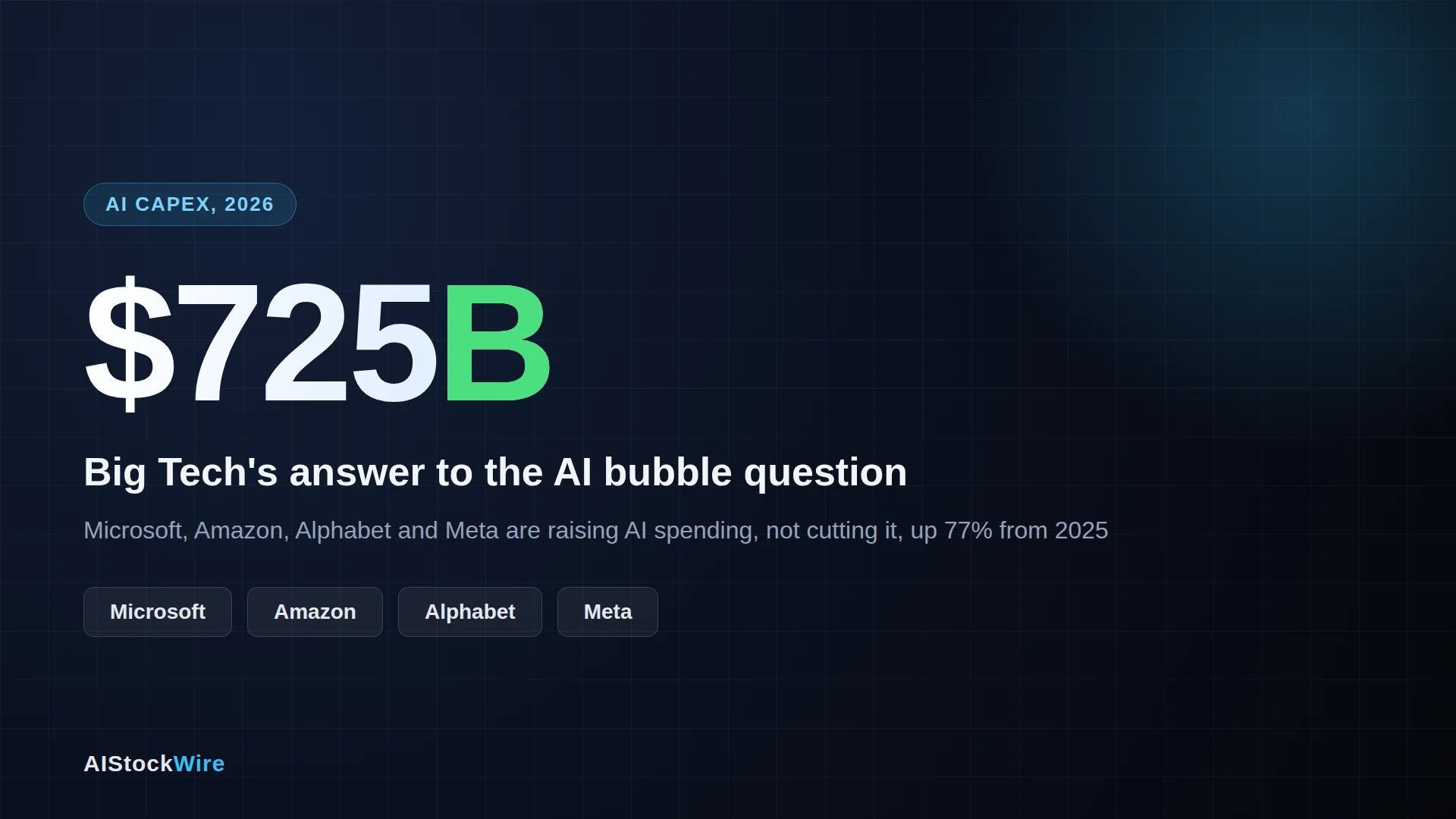
Big tech is about to spend $725 billion on AI data centers. That's not what a bubble looks like.
Microsoft, Amazon, Alphabet and Meta are guiding to roughly $725 billion in combined AI capex for 2026, up 77% from last year. States are moving to regulate the data centers that money builds, but the real risk to watch is that spending now outpaces free cash flow.

The Close, July 14: IBM lost a quarter of its value, and SK Hynix's Nasdaq stock jumped 27%
IBM lost about a quarter of its value in a single session after a weak preliminary report, and the damage spread across enterprise software. SK Hynix's brand-new Nasdaq stock went the other way, jumping 27% on a day chips broadly rallied.

Bitcoin miners are becoming AI landlords. Here's how far each one has actually gotten.
Eight bitcoin miners are pitching the same AI pivot, but they're nowhere near equally far along. IREN, TeraWulf and Core Scientific now earn more from AI than from mining. Hut 8, Cipher and Applied Digital have tens of billions in signed leases that haven't started billing. CleanSpark, the last to sign, now has Meta as its tenant. Updated September 20, 2026.

Inflation fell for the first time since 2020, the Kospi closed green, and IBM still crashed 23% (July 14, 2026)
June CPI fell 0.4%, the first monthly decline since 2020, and chips bounced. Then IBM missed on preliminary results, lost roughly 23%, and dragged Workday, ServiceNow and Adobe down with it. CleanSpark jumped 8% on a $6.6 billion AI data center lease, and the Kospi closed green before the CPI number even existed.
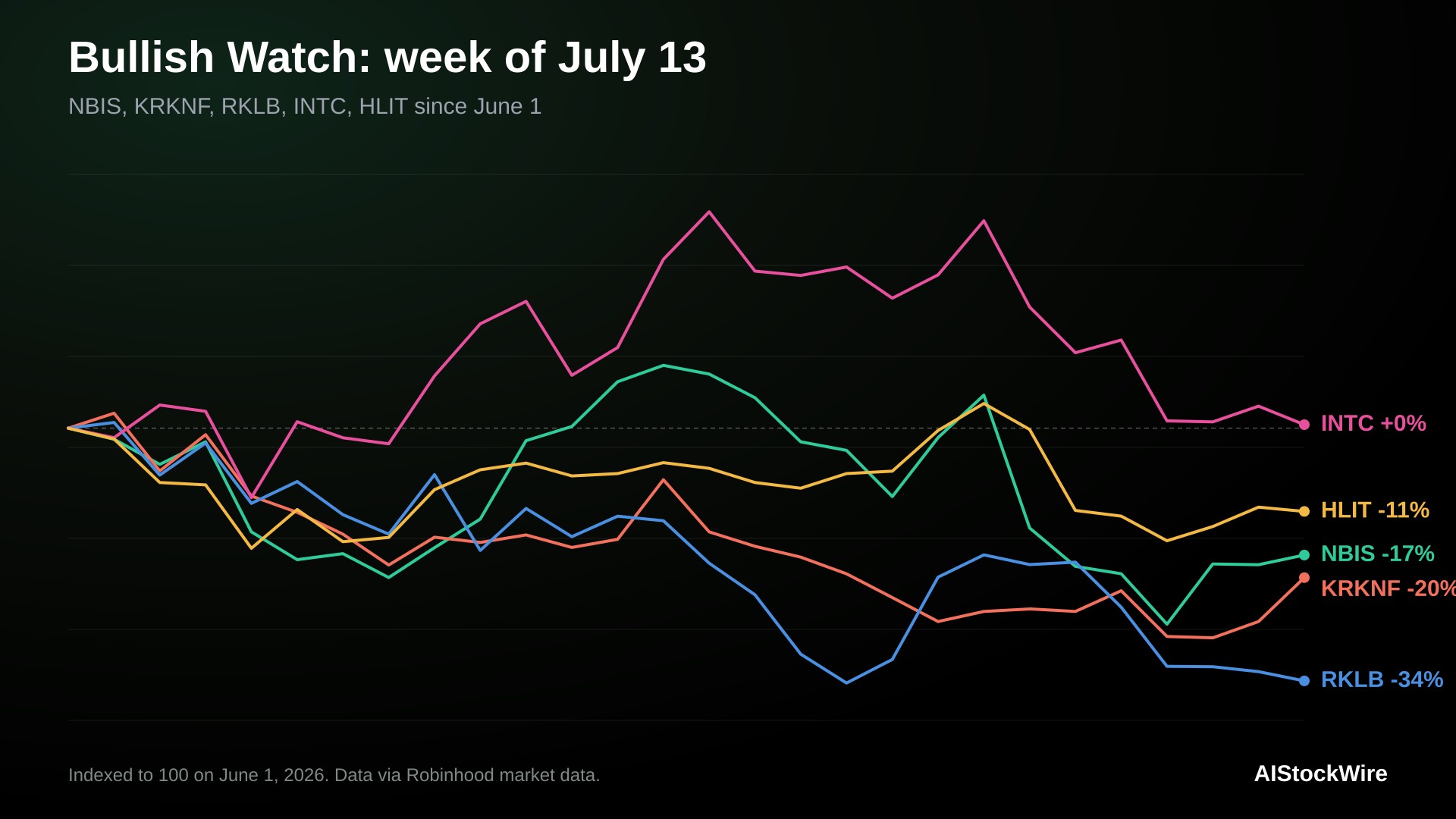
Bullish Watch, week of July 13: the market panicked over a Meta headline, and got it wrong
This week's watchlist, updated through Tuesday: Nebius gave back its early bounce on a data-center headline unrelated to its business, Kraken Robotics is holding up best of the five, Intel swung from a 6% drop to a 4.5% rally in two days, and Rocket Lab and Harmonic are still finding their footing.
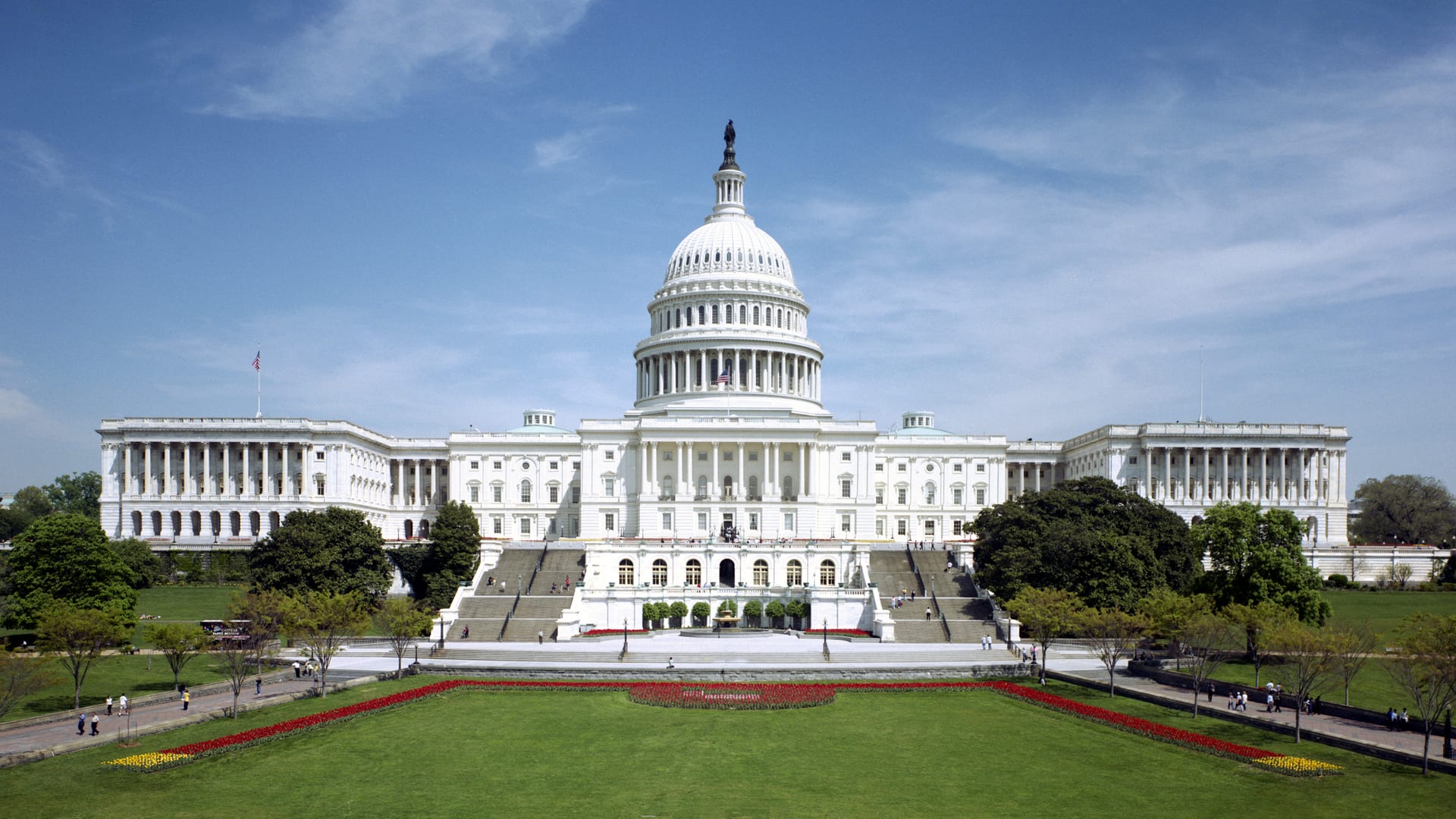
Do politicians actually beat the stock market? What the data says
Nancy Pelosi, David Rouzer, Ro Khanna and more: do members of Congress really beat the stock market? What the research and the yearly reports actually show, and whether copying their trades works.
Microsoft (MSFT) is finally moving: the news behind it and what could push it higher
Microsoft has bounced about 12% off its June low even as chip stocks keep falling. Here is the news moving MSFT, from the software rotation and the Haleon AI deal to the catalysts that could push it higher into July 28 earnings.
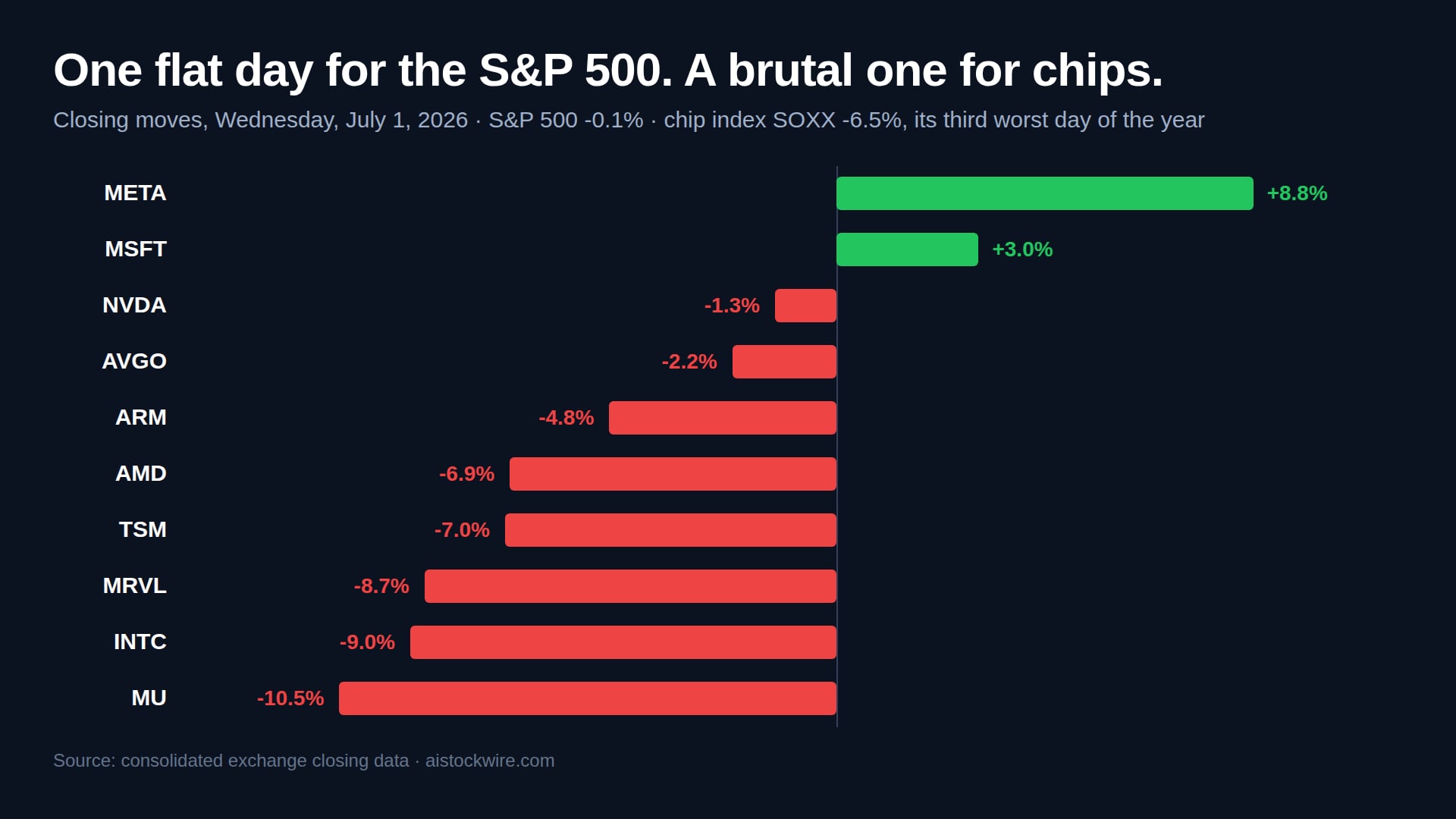
Chips had their third worst day of 2026 and the S&P barely noticed (MU, INTC)
The S&P 500 closed within a whisker of flat on July 1 and the chip trade still had its third worst day of the year. Micron fell 10.5 percent, Intel lost 9 percent, and Meta gained almost 9 percent on the other side. Here is the damage report.
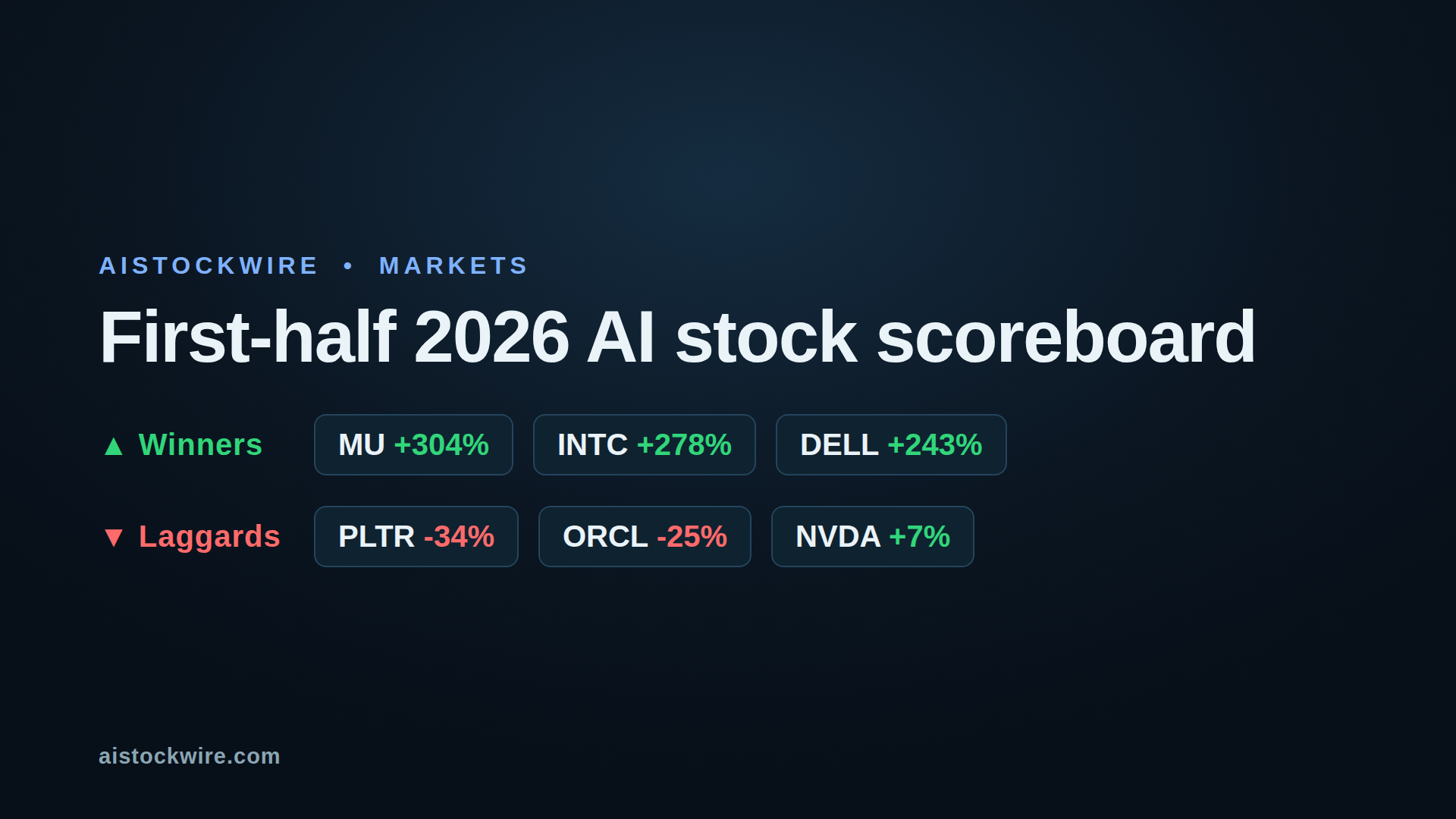
The AI stocks that led and lagged the first half of 2026
The first half of 2026 split the AI trade in two. Memory and chip-supply names like Micron (MU, +304%) and Intel (INTC, +278%) soared, while marquee names lagged and AI software fell, with Palantir (PLTR) down about 34%. Here is the full scoreboard and what it means.
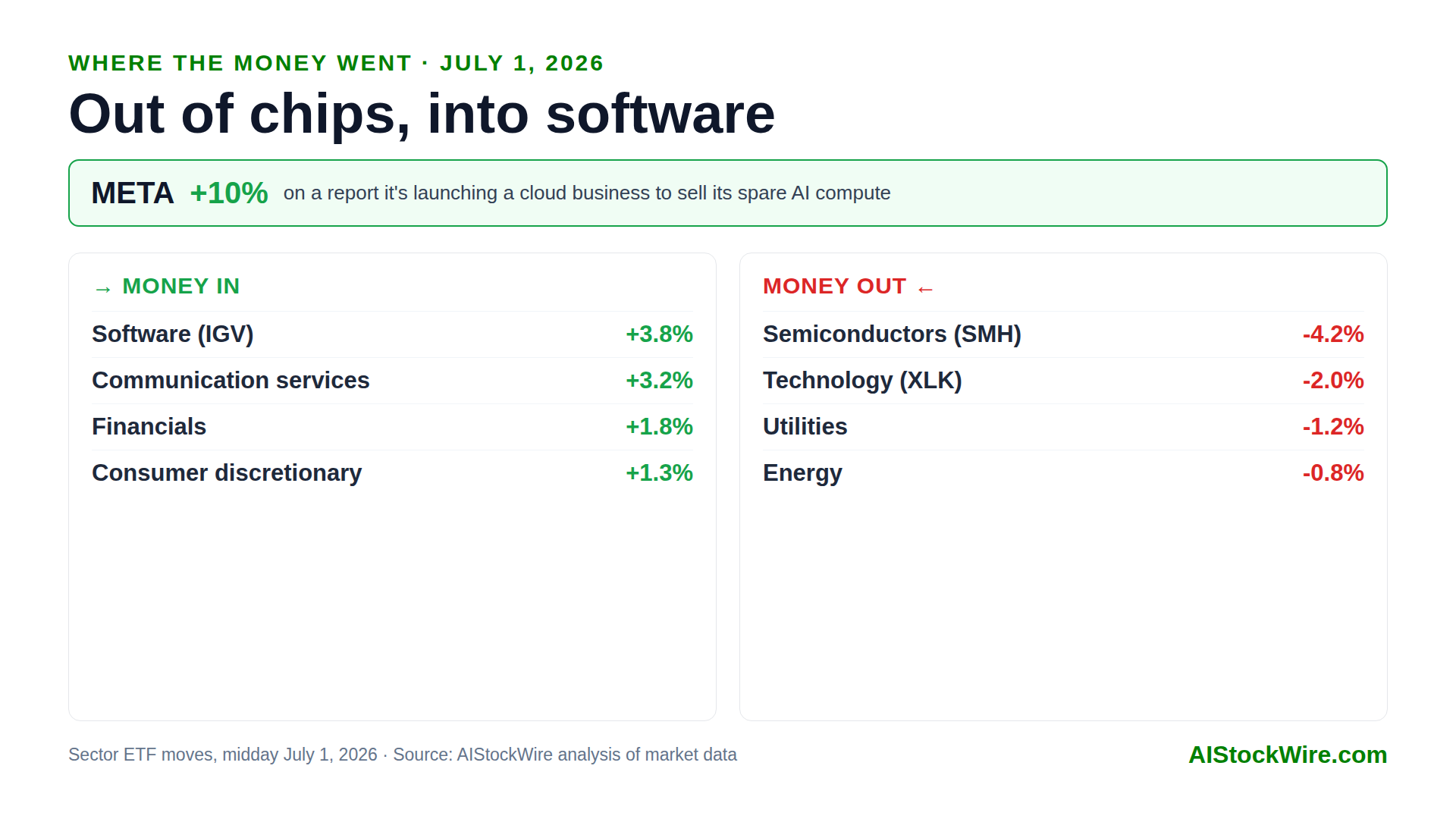
Where the money moved July 1: out of chips, into software, as Meta jumps on cloud news
A flat tape hid a sharp rotation on July 1, 2026: money moved out of semiconductors (SMH -4.2%) and into software (IGV +3.8%), led by Meta's (META) roughly 10% jump on news it will sell its spare AI cloud computing power.

Michael Burry is betting against Tesla (TSLA) and Caterpillar (CAT), days after making a multi-year bet Microsoft (MSFT) rises
Michael Burry disclosed five new short positions on June 30, including a first-ever bet against Caterpillar (CAT), just days after a multi-year bet that Microsoft (MSFT) shares would rise. Every price he disclosed, and where the trades stand now.
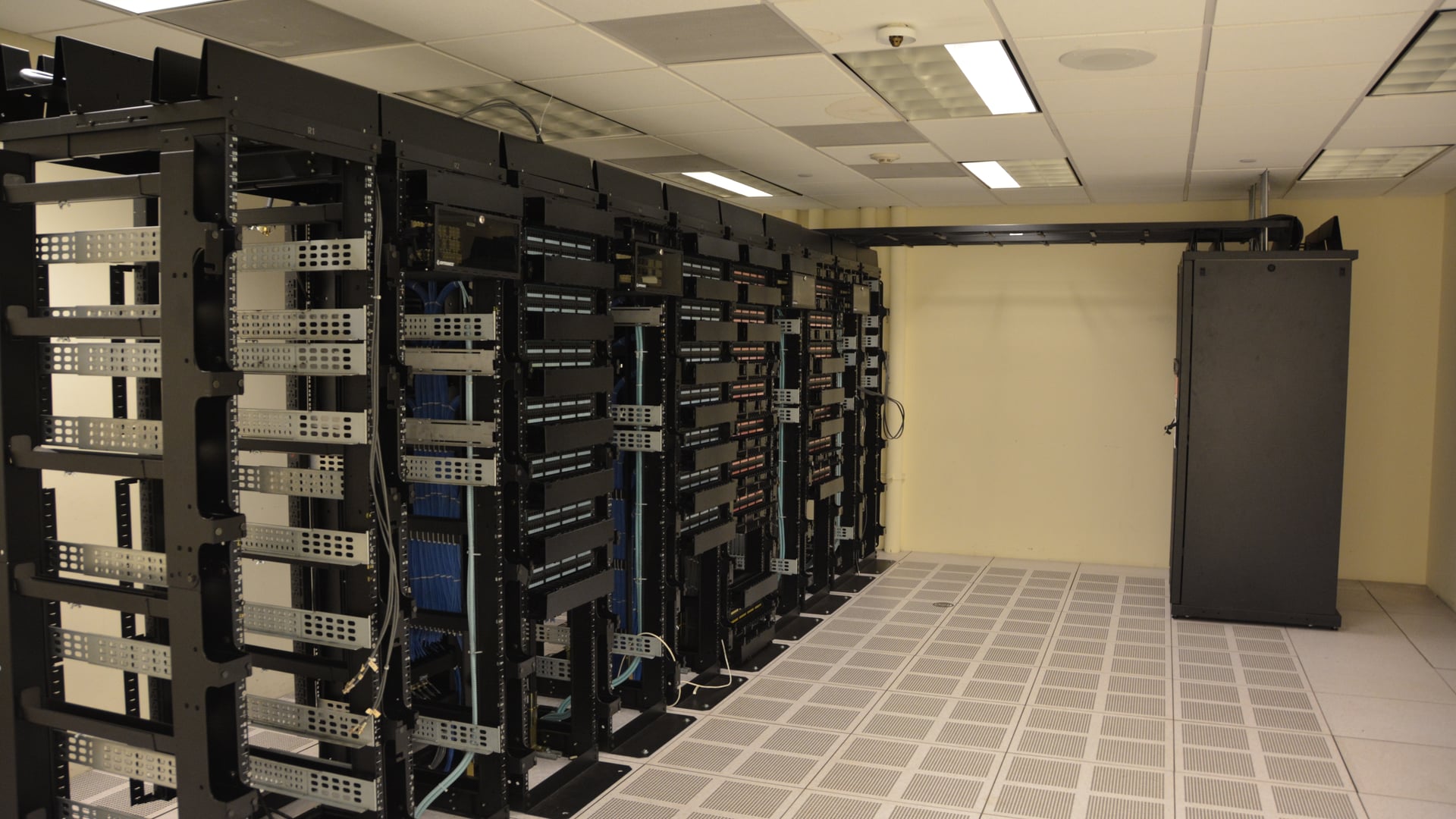
It is not just the chips: optics, memory and the neo-clouds all sold off this morning
The whole AI build-out sold off Monday morning, not just semiconductors. Optical names like Coherent (COHR) led the drop, memory (MU) and the neo-clouds fell hard, and Nebius (NBIS) was the lone holdout. What is going on.

The market's closed, but the weekend stock tape is flashing green
The US market is closed, but stocks trade 24/7 on Hyperliquid. As of Sunday night the weekend tape is green, led by the chip names that fell hardest Friday. Our read before Monday's open.
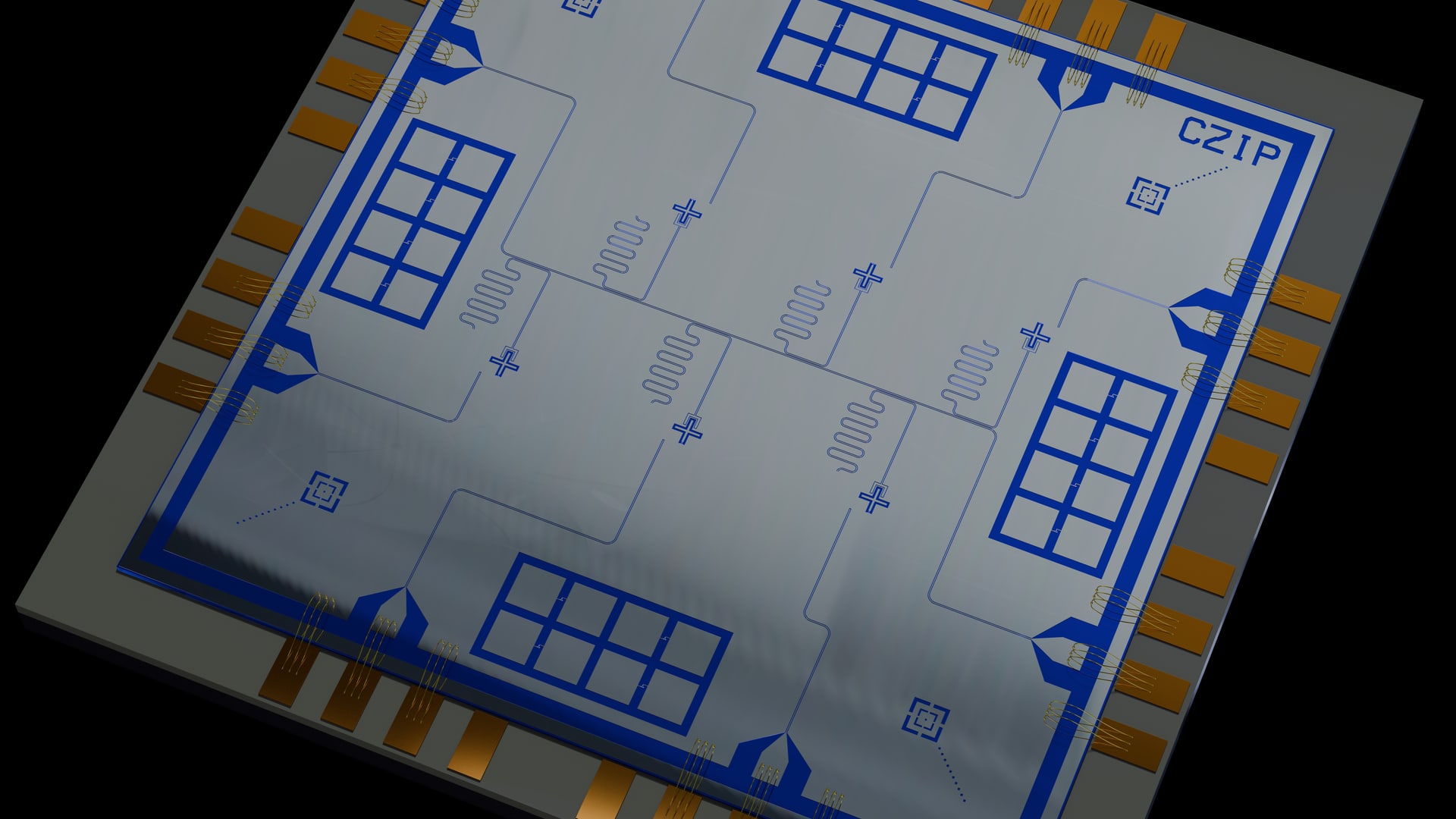
The government is betting billions on quantum computing, but the payoff is years away
Washington is now a quantum-computing investor, having committed about $2 billion to nine companies and taken equity stakes back in May. But the technology will not pay off for years, and the pure-play stocks are already priced for a future that has not arrived. Here is the realistic picture.
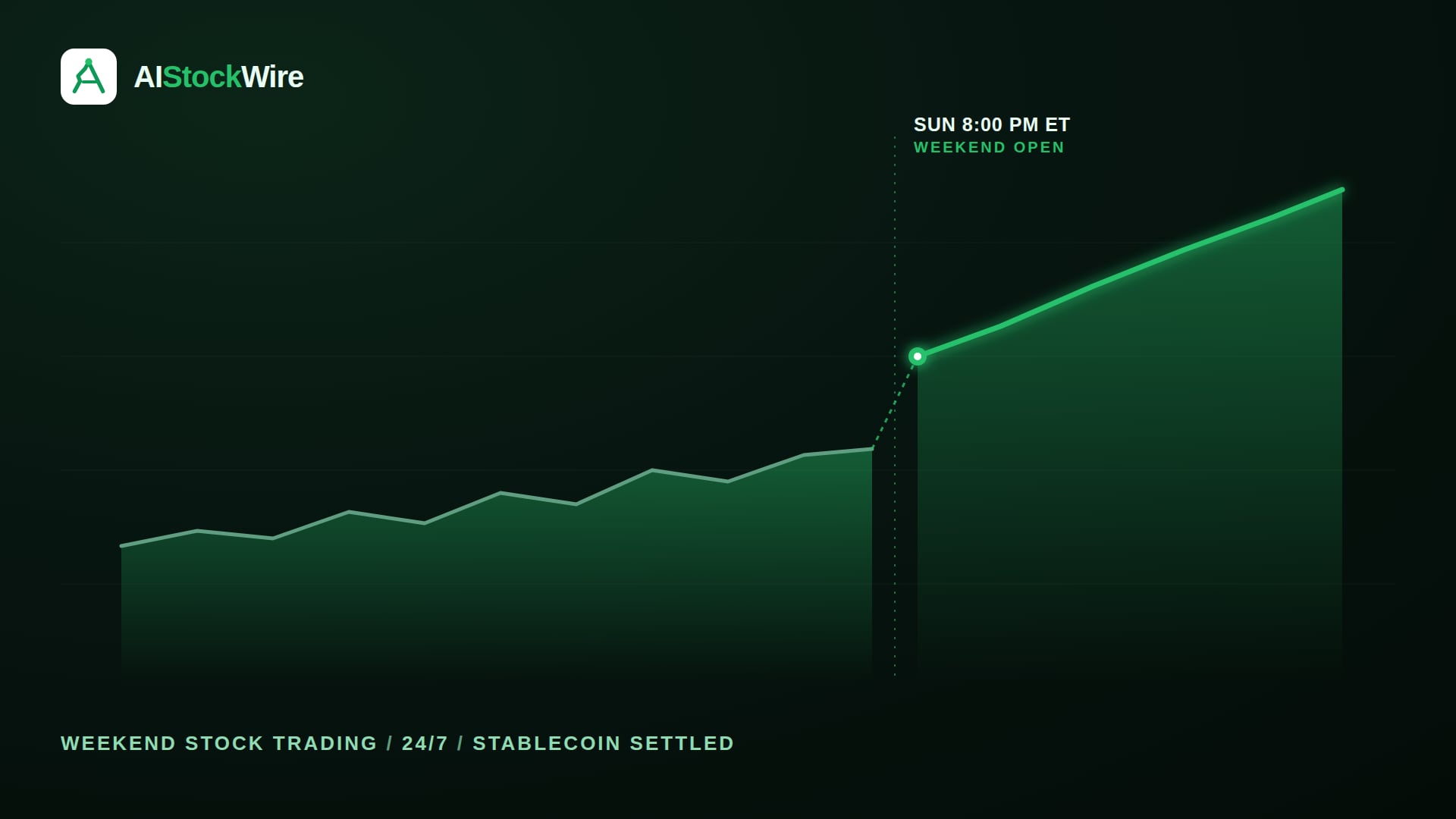
Can you trade stocks on the weekend? Inside Hyperliquid and the IBM run
A years-old Trump clip went viral on a Saturday and IBM gapped up 15% by Monday. You could watch the whole thing on Hyperliquid, where stocks, oil and indexes trade all weekend in stablecoins. Here is how it works, and why 8 PM Sunday matters.

Which robot stocks can you actually buy? Tesla (TSLA) and Nvidia (NVDA) are on the list. Figure, Apptronik and Unitree are not.
Physical AI is the next leg of the AI trade, but the famous humanoid makers are mostly still private. Here is what is actually listed, what each company builds, and where the risk sits, updated with Goldman's revised 2035 forecast and prices as of September 1, 2026.
Are SaaS stocks AI roadkill or AI winners? A look at ServiceNow (NOW), Adobe (ADBE) and the SaaSpocalypse
Software has shed about $2 trillion as AI agents threaten the per-seat model. What ServiceNow (NOW) and Adobe (ADBE) actually do, why NOW round-tripped from its lows, and whether SaaS is still needed in the AI era.
Samsung, SK Hynix and Micron (MU) are all trillion-dollar stocks now. Here is how they stack up against the Mag 7.
The AI memory boom turned Samsung, SK Hynix and Micron (MU) into trillion-dollar companies. Here is how the memory giants stack up against each other and the Mag 7, and the DRAM ETF that packages them in one ticker.